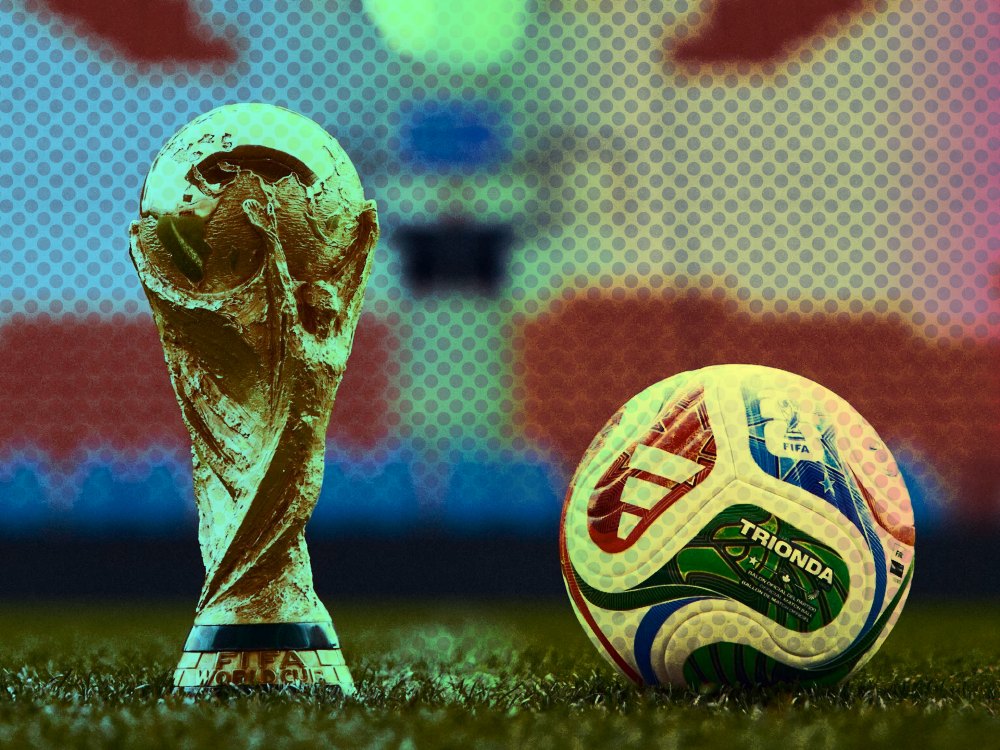

A Pride-themed match at the 2026 FIFA World Cup has drawn widespread criticism after it was revealed that one of the participating nations is Iran, where same-sex relationships are punishable by death.
Seattle, confirmed as a host city over three years ago, will host the match on 26 June—an event now officially designated as a “Pride Match.” But following Friday’s group stage draw and Saturday’s fixture allocations, it has been confirmed that the match will feature Egypt and Iran, two nations with deeply troubling records on LGBTQ+ rights.
According to FOX 13 Seattle, the local FIFA organising committee views the match as “a rare opportunity to make a lasting impact, one that educates the world, inspires our LGBTQ+ community, and uplifts those businesses and cultural organisations”.
But critics have been quick to highlight the stark contrast between that message and the reality on the ground in the participating nations. In Iran, same-sex activity is not only criminalised but can lead to the death penalty, prompting many LGBTQ+ Iranians to seek asylum abroad. A 2021 United Nations report documented horrifying abuses in the country, including the use of electric shock torture on LGBTQ+ youth.
Meanwhile, although homosexuality is not explicitly illegal in Egypt, queer individuals face routine persecution under charges like “debauchery,” “indecency,” and “scandalous acts.” The community faces widespread stigmatisation, and a 2023 documentary highlighted their resilience amid ongoing oppression.
Despite mounting concerns, the Seattle Pride Match Advisory Committee, established by local organisers to guide the event’s direction, has confirmed the game will proceed as planned.
A spokesperson told Outsports:
“The Pride Match has been scheduled to celebrate and elevate Pride events in Seattle and across the country, and it was planned well in advance.
Soccer has a unique power to unite people across borders, cultures, and beliefs. We are honoured to host a Pride Match and to celebrate Pride as part of a global football community.
This match reflects our ongoing commitment to respect, dignity, and unity for all.”
In 2023, Pride House International announced plans to establish strong visibility in every host city of the 2026 World Cup, aiming to create inclusive spaces for LGBTQ+ fans and allies.
However, this is not the first time FIFA has come under fire for decisions related to LGBTQ+ rights. In 2022, openly gay footballer Collin Martin criticised the governing body for failing to use the Qatar World Cup as a platform to support the LGBTQ+ community. Same-sex relationships are also criminalised in Qatar, and many queer residents are forced to live in secrecy due to widespread discrimination.
As the countdown to 2026 continues, questions remain about whether global football authorities are truly committed to inclusivity—or simply paying lip service.