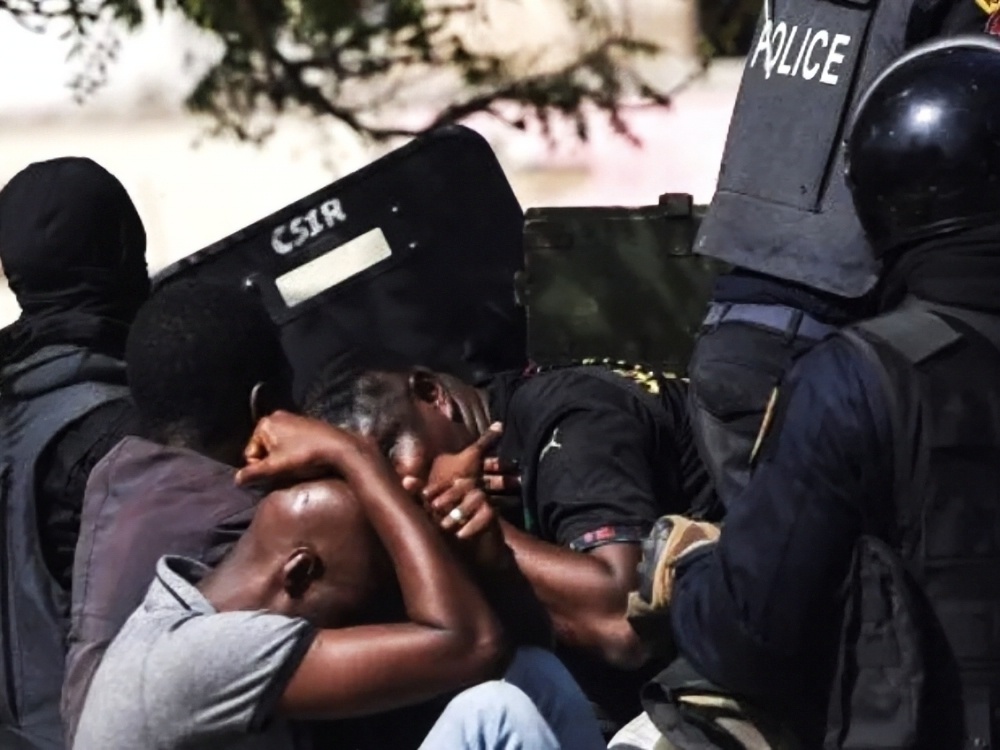

Senegalese authorities have arrested 15 people after discovering their involvement in an LGBTQIA+ WhatsApp group, marking the latest in a series of crackdowns on queer communities in the West African nation.
The arrests stemmed from a theft investigation in late November, which began when a 63-year-old Koranic teacher reported to police that two of his iPhones had been stolen. Though he claimed not to know the thief’s identity, police were able to trace the phones and arrested three individuals for receiving stolen goods.
The suspects eventually identified the alleged thief — a 20-year-old male sex worker — who confessed to taking the phones after engaging in sexual activity with the older man. He claimed the phones were taken as compensation after the man refused to pay him.
From Theft to Surveillance
When police accessed the Koranic teacher’s devices, they uncovered a WhatsApp group used by members of the local LGBTQIA+ community to arrange private meetups. Authorities acted swiftly, arresting all 15 members over a two-day period.
According to local outlet Seneweb, all the arrestees reportedly confessed to the charges following physical examinations carried out by the police. Items, including condoms and lubricants, were also seized as evidence.
Thirteen of the accused have been jailed pending court proceedings later in December, while two young men were released on bail.
Ongoing LGBTQIA+ Crackdown in Senegal
Same-sex activity remains criminalised in Senegal under a 1966 law that allows for imprisonment of up to five years and heavy fines. The harshest penalties apply in cases involving individuals under the age of 21.
The latest arrests form part of a broader pattern of state and community-led persecution against LGBTQIA+ individuals. In October, 17 people were detained in what authorities described as a “gay sex party”, while in August, three men were arrested after reportedly being caught by a mob having sex on a beach.
Human rights groups have repeatedly condemned the targeting of queer communities in Senegal, calling for the decriminalisation of same-sex relationships and an end to discriminatory policing practices.
While authorities cite moral and cultural norms to justify these actions, activists argue that such crackdowns only increase the vulnerability of LGBTQIA+ individuals, forcing many to live in secrecy and fear.