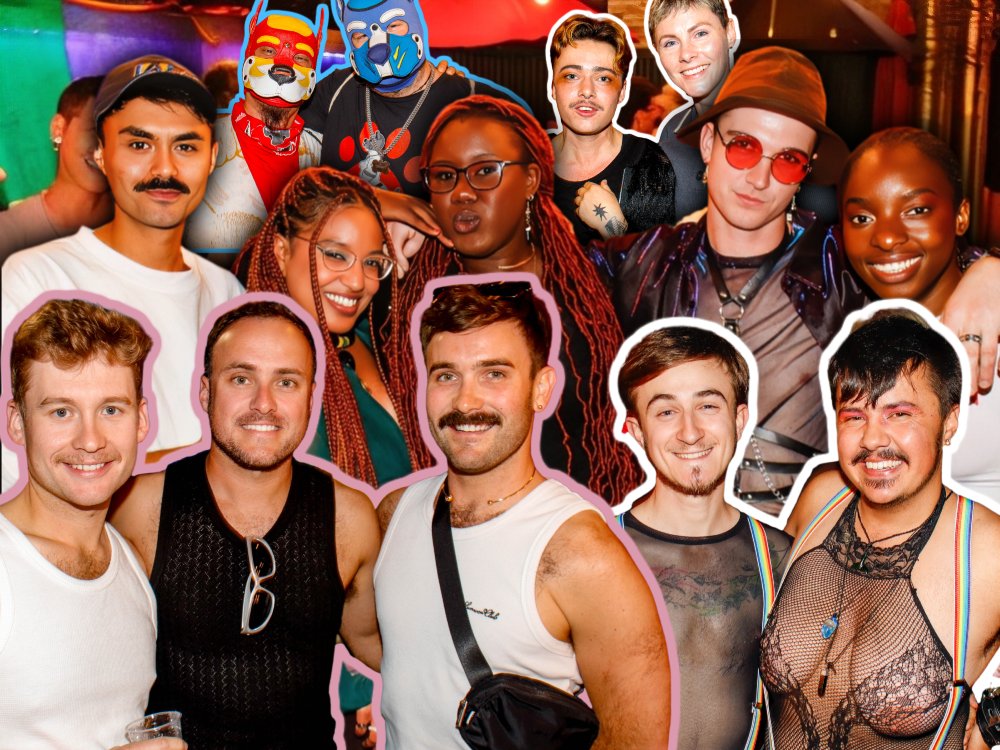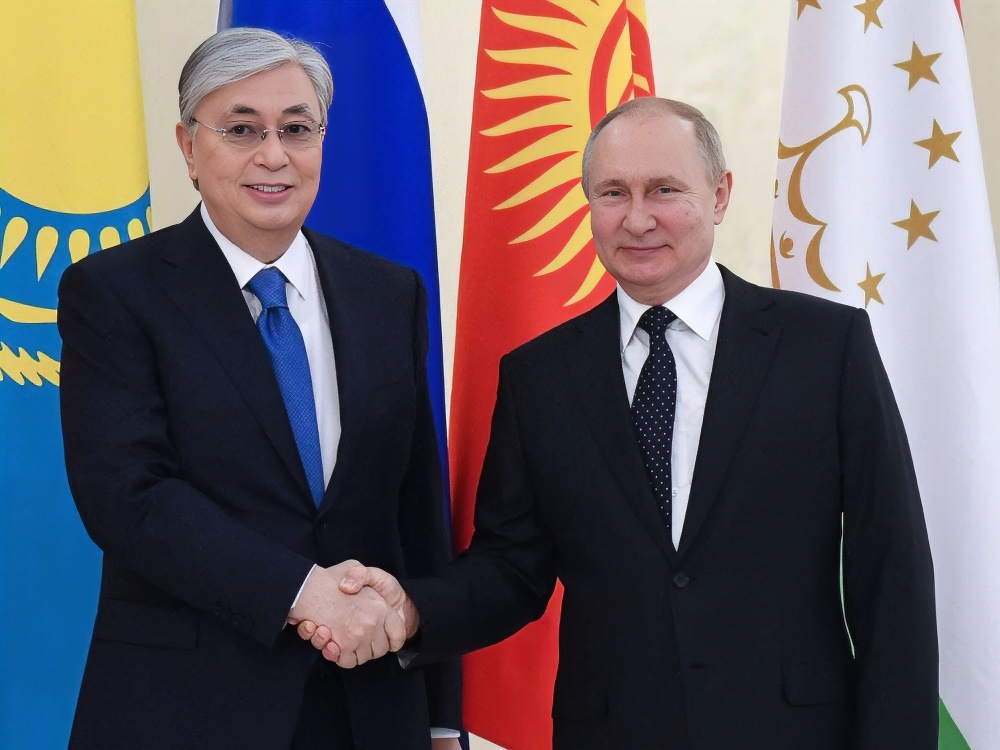

Kazakhstan has officially signed into law a sweeping anti-LGBTQ+ propaganda bill, mirroring Russia’s notorious 2013 legislation. President Kassym-Jomart Tokayev approved the bill on 30 December, drawing condemnation from international human rights organisations.
The bill prohibits the dissemination of “information containing propaganda of pedophilia and/or non-traditional sexual orientation” in public spaces and media. Violators now face detention of up to 10 days or fines up to 144,500 Kazakh Tenge (approximately $500 NZD).
The lower house of Kazakhstan’s parliament initially passed the legislation in November 2025. It was then approved by the Senate on 18 December before being signed by Tokayev.
International Human Rights Groups Condemn Law
Ahead of the bill’s final passage, a coalition of seven major international rights groups – including Human Rights Watch, Access Now, Helsinki Foundation for Human Rights, and others – urged Kazakhstan to reject the legislation.
In a joint statement issued on 11 November, they warned:
“Adopting an ‘LGBT propaganda ban’ would blatantly violate Kazakhstan’s international human rights commitments, including children’s rights to education, health, and information.”
“Discriminatory and rights-violating provisions like those being proposed have no place in any democratic society, which Kazakhstan aspires to be.”
Crackdown on LGBTQ+ Visibility
The new law criminalises content seen as promoting “nontraditional sexual relations” or pedophilia — terms often used interchangeably by governments enacting anti-LGBTQ+ legislation to target queer visibility and expression.
Though homosexuality was decriminalised in 1998, Kazakhstan offers no anti-discrimination protections for LGBTQ+ people. There are no laws safeguarding queer individuals from hate crimes, workplace or housing discrimination, or conversion therapy. Same-sex marriage remains banned, and trans people must be over 21 and undergo sterilisation to access gender-affirming care.
Activists and citizens report rampant discrimination, including harassment, extortion, and violence, often at the hands of law enforcement, compounding systemic societal stigma.
A Copycat of Russia’s Anti-LGBTQ+ Law
Kazakhstan’s legislation strongly resembles Russia’s infamous 2013 “gay propaganda” law, which has since inspired similar bills in Georgia, Bulgaria, and other countries.
In Russia, the law has led to:
- Queer bar owners and staff jailed
- Over 50 people detained at a single club event
- Educational apps like Duolingo forced to remove inclusive content
- My Little Pony rated 18+
- Roblox banned for “inappropriate” themes
- A gay student expelled from university over makeup videos
- And even deaths in custody of LGBTQ+ individuals
In 2023, Russia went further by designating the so-called “international LGBT movement” — which does not exist as an organisation — as an extremist entity.
With Kazakhstan adopting a near-identical framework, rights groups warn this could mark the start of a broader regional rollback of LGBTQ+ rights in Central Asia.