
Ever been hated just for existing? Jessie Lewthwaite reflects on bullying, internalised homophobia, and the very real harm that self-hatred can cause — especially when it’s weaponised in politics.
When I was a little baby gay, around eleven years old, it was becoming obvious to all that I was different. Being different as a child is, of course, a difficult thing, and I’m sure no one is surprised to know I was bullied pretty badly. I had one girl in particular who seemed to despise me on a level not yet understood by my still-developing brain. One day, while we were on recess, she decided to tackle me. We both fell and tumbled down an embankment, fighting and wrestling as we rolled.
When we hit the bottom, I was victorious and managed to pin her, and then for a second, our eyes met — and very quickly, like an electric shock ran through both of us, we let each other go.
She and her wife just celebrated their fifth wedding anniversary last year. Later in our high school days, she apologised to me at a house party, drunkenly explaining that she was so scared to be gay — and there I was, being all gay — she hated me for it. I’m sure each of us has a similar story or experience like this, or maybe a few of us were the bully. The point is, the stereotype that the biggest homophobes must be secretly queer is very well known in our community and is often used flippantly when we are being attacked. I am guilty of seeing some social media post from one hate group or another and saying, “Imagine thinking about Rainbow people this much! I don’t even think about queer people as much as this guy!”
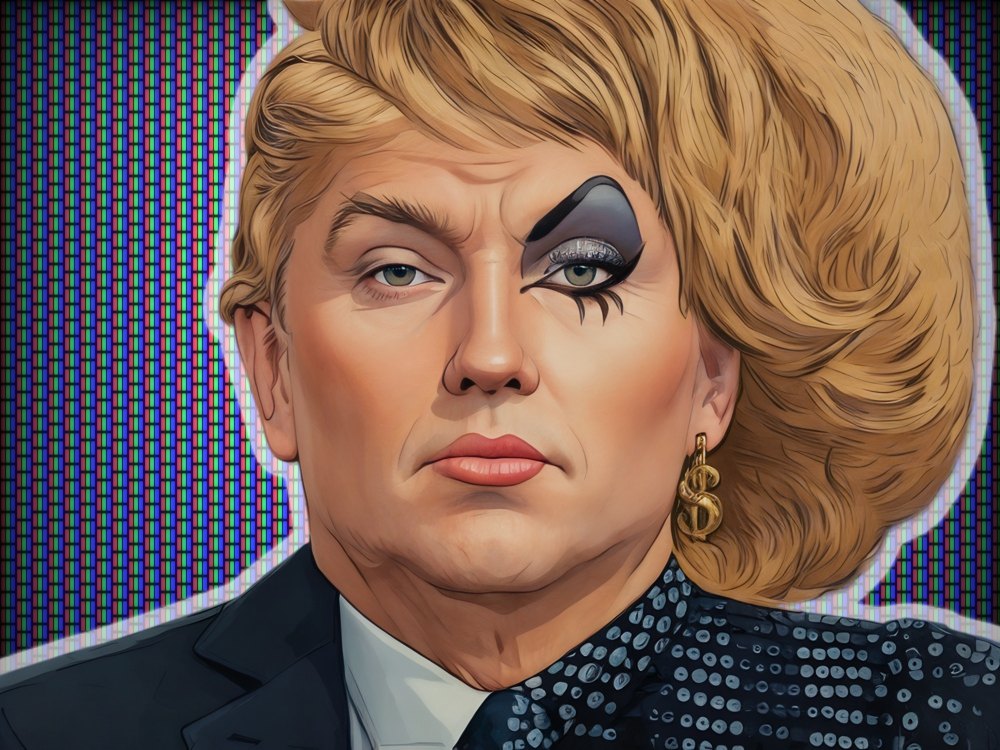
Recently, one of my favourite anecdotes of this phenomenon is that whenever there is a large Republican convention in the United States, Grindr crashes from overuse. I think we all get a little sense of satisfaction thinking that all that vitriol they spit at us is actually just internalised homophobia. At this point, if someone is loudly railing about rainbow crossings, pronouns, and drag queens in the same breath, it feels less like political commentary and more like a cry for help wrapped in a hate crime. However, I do wonder how harmful this trope is to our community.
The real problem is that, while this would all be hilarious if it stayed in their group chats and poorly lit YouTube channels, it doesn’t. It turns into policies that ban trans kids from sport and books about two dads from libraries — because nothing says “totally secure in my heterosexuality” like being personally threatened by a picture book. It turns into votes that hurt real people, not just the hypothetical “children” they keep invoking like a spell. Queer folks don’t have the luxury of finding it purely funny; we also have to navigate the fallout.
The tragic part is that a lot of these people are probably dealing with something real and painful. Internalised homophobia is a hell of a drug and, like all drugs, it can turn you into an arsehole if you don’t handle it correctly. Instead of quietly going to therapy and maybe, just maybe, trying not to ruin everyone else’s day, they project their own terror outward like a badly aimed glitter cannon. And what — am I supposed to feel bad for these horrible people who are hurting us because maybe they are one of us?
Either way, you are not obligated to be their character development. Go be gay, take up space, and leave them to wrestle with the terrifying possibility that two women holding hands might not actually be about them at all.