
Young men born in the 2000s are significantly less supportive of LGBTQ+ rights than their female counterparts and men from previous generations, according to new research from the US-based Pew Research Centre.
The 2024 data, included in a December report from the American Institute for Boys and Men (AIBM), reveals a growing gender divide when it comes to views on same-sex marriage, homosexuality, abortion rights, and particularly, transgender rights.
According to the study, 71 per cent of men born in the 2000s believe same-sex marriage should be legal — a noticeable drop compared to 77 per cent of men born in the 1990s and 73 per cent of those born in the 1980s.
Support for LGBTQ+ acceptance in society was similarly lower. Only 65 per cent of young men aged 24 and under said homosexuality should be accepted — 7 per cent less than their 1990s-born counterparts, and 3 per cent less than 1980s-born men.
In contrast, women in the same age group are far more supportive. An overwhelming 83 per cent of women born in the 2000s support same-sex marriage, and 82 per cent believe homosexuality should be accepted by society.
The data reveals that across nearly every measured topic, the gender divide is starkest among those born after 2000.
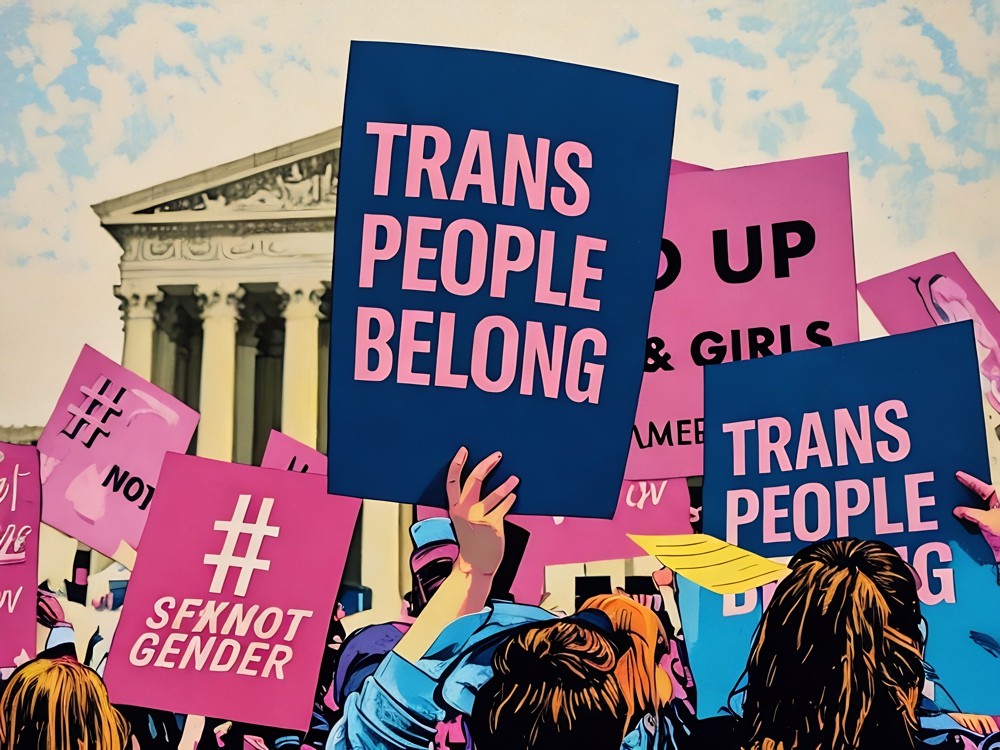
When it comes to transgender rights, the split is even more pronounced. While 60 per cent of 2000s-born women said trans people should be accepted by society, only 44 per cent of young men agreed — a gender gap of 16 per cent.
Other key gender gaps included:
- Same-sex marriage: 12% gap (83% women vs. 71% men)
- Acceptance of homosexuality: 17% gap (82% women vs. 65% men)
- Abortion rights: 10% gap
Ryan Burge, a professor of practice at Washington University, said the findings suggest young men are being increasingly influenced by ideological messaging around social issues — particularly from right-wing religious groups.
“As academics often say – we need more time and more data,” Burge noted. “I suspect the next five years of survey results will significantly clarify the trajectories of young men and women when it comes to religion.”
He added, “As their lives stabilise, they settle into careers, and some begin to marry and start families, we will get a much clearer sense of whether religion is actually taking hold. If a shift is coming, these next few years will be decisive.”
Interestingly, despite growing conservatism among some young men, broader data continues to show that Gen Z remains the most LGBTQ+ identifying generation on record. A 2024 Axios poll revealed that more than a quarter of Gen Zers (those aged 12 to 27) identify as LGBTQ+, while only 21 per cent identify as Republican.
The same poll also indicated that Gen Z is more likely to express religious affiliation than previous generations, potentially contributing to some of the shifts seen in younger male demographics.
As public discourse around gender, identity, and rights intensifies, these generational and gender-based divisions offer a complex picture of a rapidly evolving cultural landscape.