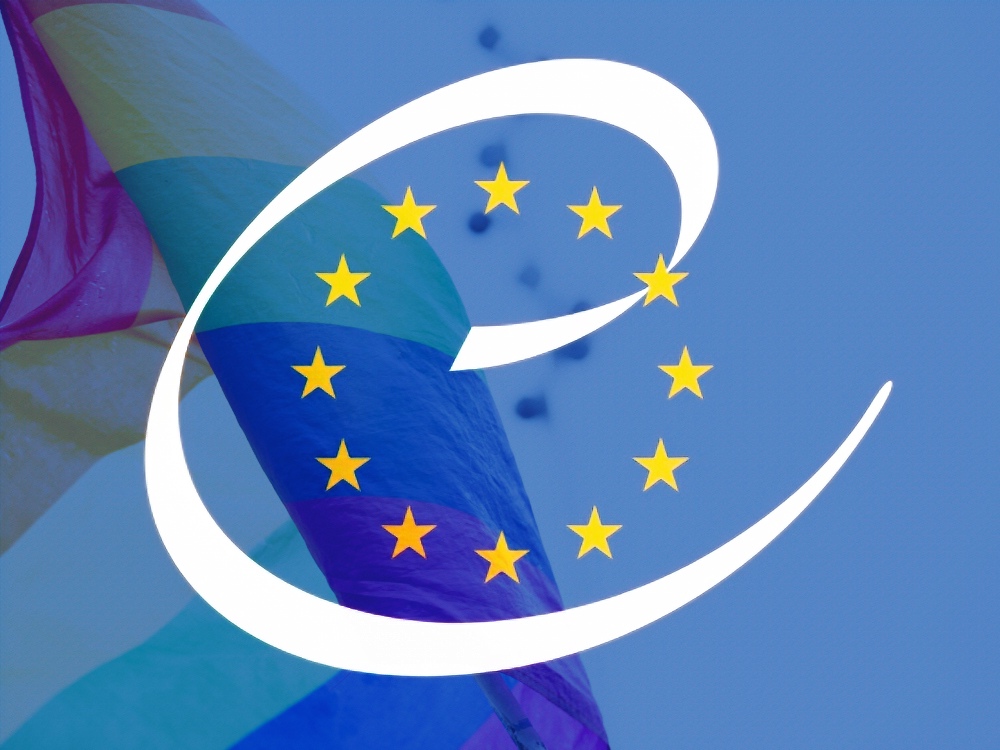
Representatives from the 46-member Council of Europe have overwhelmingly supported a resolution urging all member states to outlaw LGBTQIA+ conversion practices — a decade after Malta became the first European country to introduce such a ban.
The resolution was put forward by UK Labour MP Kate Osborne and calls for “a ban on conversion practices, which aim to change or suppress individuals’ sexual orientation or gender identity, and pose serious harm without scientific backing.”
It continues:
“Recognising these practices’ damaging impact, especially on vulnerable groups like children, the resolution advocates for member States to enact legislation prohibiting such practices, integrate bans within broader anti-discrimination strategies, and ensure effective enforcement.
“It encourages collaboration with civil society, professional organisations, and religious groups to promote awareness, training, and support for victims.
“The Assembly emphasises the need for international cooperation, consistent implementation, and urges educational reforms to counteract misconceptions surrounding sexual orientation and gender identity.
“This collective effort is vital for maintaining human rights, dignity, and personal autonomy across Europe.”
The resolution passed with 71 votes in favour, 26 against, and two abstentions in the Parliamentary Assembly of the Council of Europe.
Malta’s Precedent
During the debate, Maltese MP Helena Dalli — a former European Commissioner for Equality and former Maltese Minister for European Affairs and Equality — reflected on Malta’s landmark 2016 ban.
“These practices are grounded in a lie, the lie that diversity is a defect,” Dalli said.
“They are sustained by stigma, and they persist only because institutions and states have allowed them to persist.”
She stressed that Malta’s law struck a careful balance.
“[In 2016] our legislation was clear, proportionate and principled. It did not criminalise belief.
“It did not interfere with legitimate therapeutic support.
“What it did was establish a non-negotiable boundary: no one has the right to deny another person’s identity.”
Dalli added:
“Either Europe affirms, unequivocally, that diversity in sexual orientation and gender identity is part of the human condition, or it tolerates practices that treat it as a pathology … No state should claim fidelity to human rights while allowing these practices to continue.”
Campaign Opposition
The vote came despite organised opposition from anti-trans campaign groups, which reportedly flooded members of the Assembly with tens of thousands of emails urging them to reject the resolution.
Bigger Than the EU
The Council of Europe is separate from — and larger than — the 27-member European Union. It includes countries such as Turkey, Georgia, Armenia, Albania and Azerbaijan. Russia withdrew from the organisation in 2022 following its invasion of Ukraine.
The Parliamentary Assembly is composed of MPs from national parliaments across member states and represents more than 700 million people. It also elects judges to the European Court of Human Rights.
While the resolution is not legally binding, it places significant political pressure on member states to introduce comprehensive bans on conversion practices and align their domestic laws with broader human rights standards.