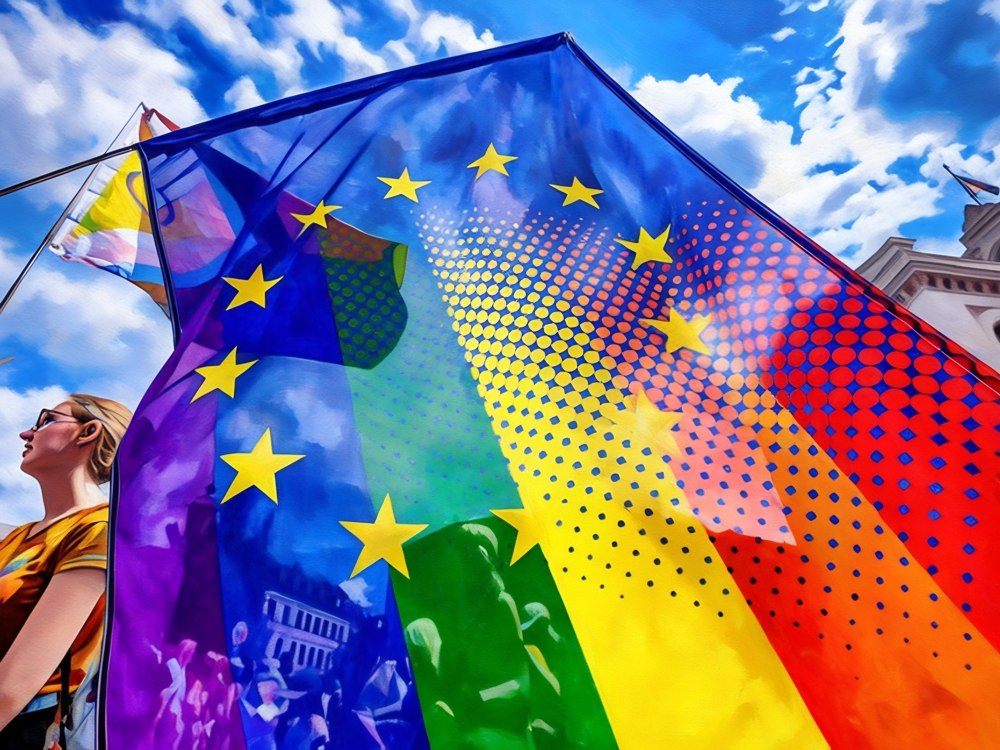

In a significant human rights victory, the Council of Europe has voted in favour of banning so-called ‘conversion therapy’, despite pressure from anti-trans lobbying groups urging reconsideration.
The resolution, introduced by UK Labour MP Kate Osborne, calls for the prohibition of conversion practices across the Council’s 26 member states. These abusive practices, discredited by medical and psychological experts worldwide, aim to forcibly alter a person’s sexuality or gender identity — something that is neither possible nor ethical.
Though separate from the European Union, the Council of Europe plays a critical role in shaping human rights across the continent. On Thursday, 28 January, 71 members voted in favour of the resolution, with 26 against and two abstaining.
Osborne, 59, first tabled the motion on 6 January, stressing the need for member states to “prevent and counter the harm caused” by such practices.
“Conversion practices have no scientific basis and have harmful consequences on the individuals subjected to them,” she wrote.
“They induce or strengthen feelings of shame, guilt, self-disgust, and worthlessness, and lead to increased rates of depression, anxiety, post-traumatic stress disorder, suicidal ideation, and suicide attempts.”
Data from LGBTQ+ youth support organisation The Trevor Project shows that survivors of conversion practices are more than twice as likely to attempt suicide, and nearly three times as likely to report multiple suicide attempts in a single year.
Backlash from Anti-Trans Lobby Group Sex Matters
Despite the widespread support for the resolution, UK-based ‘gender-critical’ group Sex Matters attempted to derail the vote. The group claimed the ban would obstruct psychological evaluations for trans youth, alleging that young people could be “confused about their sex”.
They encouraged supporters to contact MPs, arguing that the resolution would penalise individuals who do not affirm a child’s declared trans identity. However, research by the Society for Research in Child Development (SRCD) has debunked such claims, showing that transgender children demonstrate the same consistency in identity as their cisgender peers.
Good Law Project Leads Counter-Lobby
In response to the lobbying, legal advocacy group Good Law Project launched a campaign ahead of the vote, mobilising over 10,000 individuals to email UK representatives at the Council of Europe urging support for the ban.
Following the successful vote, Jess O’Thomson, the Good Law Project’s trans rights lead, celebrated the outcome:
“As a member of the queer community, I sadly have many friends who have been subjected to conversion practices. I was unfortunate enough to experience them myself,” they said. “No person deserves to be tortured for who they are.”
O’Thomson also called on the UK government to finally act on its long-delayed promise. Although former Prime Minister Theresa May pledged to ban conversion therapy in 2018, legislation has yet to materialise.
“It’s now time for the UK government to follow the Council of Europe and ensure a trans-inclusive ban on conversion practices,” O’Thomson added.