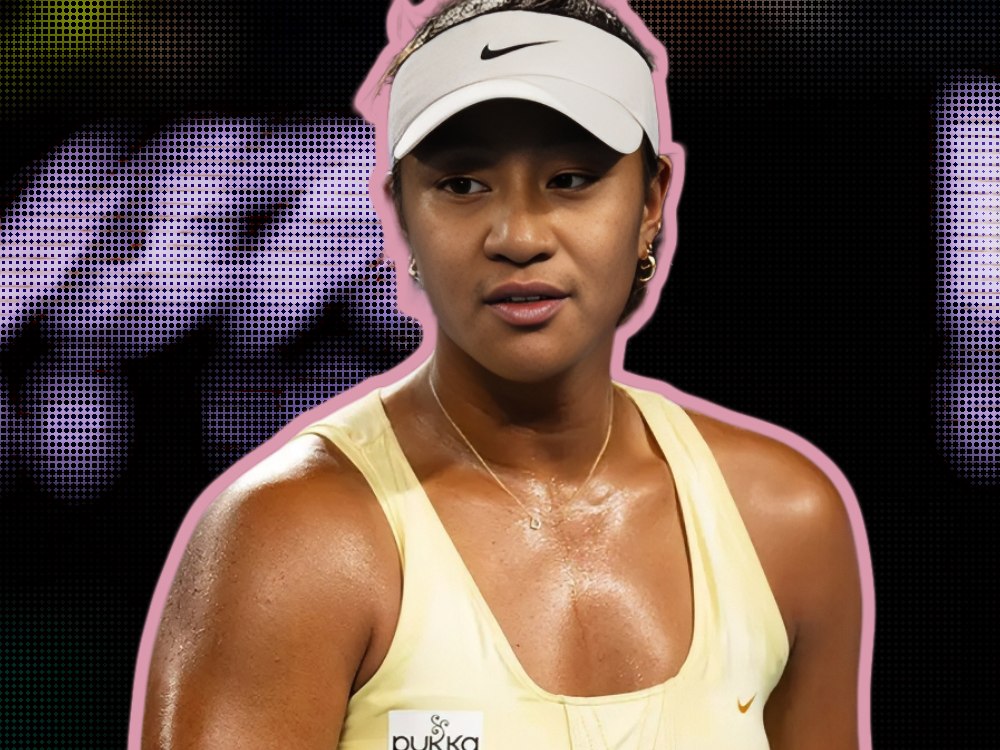
At 25, Destanee Aiava has revealed she will step away from professional tennis at the conclusion of the 2026 season. Currently sitting at world No. 236 on the WTA Tour, Aiava has rarely dominated headlines for her ranking alone. However, her announcement has generated discussion well beyond the sport’s usual performance metrics.
A Career High — and a Powerful Message
Aiava’s standout moment arrived in 2019 at the Rosmalen Open, where she delivered a shock victory over then world No. 1 Aryna Sabalenka.
Yet when outlining her decision to retire, Aiava focused less on triumphs and more on the personal toll of competing at the elite level. In a candid social media statement, she argued that beneath tennis’s traditions and “white outfits” lies “a culture that is racist, misogynistic, homophobic, and hostile to anyone who doesn’t fit its mold.”
That assertion has become central to the conversation surrounding her departure.
Tennis and Inclusion: A Complex History
Women’s tennis has long been associated with trailblazers such as Billie Jean King and Martina Navratilova, both of whom were instrumental in advancing LGBTQ+ visibility and advocacy in sport.
At the same time, the game’s legacy is layered. Australian great Margaret Court, a 24-time major champion, has faced sustained criticism for anti-LGBTQ+ remarks. The naming of Margaret Court Arena at the Australian Open continues to divide opinion.
Aiava, who is of Pacific Islander heritage, also pointed to experiences of racism during her time on tour — concerns echoed by other players of colour in recent seasons.
A Broader Moment of Reflection
Tennis promotes itself as an international, sophisticated sport steeped in history. However, critics suggest that reverence for tradition can at times obscure systemic exclusion.
Aiava’s comments land amid wider debates about:
-
Representation across coaching ranks and governing bodies
-
Media narratives surrounding athletes of colour
-
Homophobia in professional sport
-
The psychological strain associated with individual competition
Her perspective contrasts with recent comments from Swiss player Mika Brunold, who said he encountered little backlash after publicly coming out.
The coexistence of these experiences paints a picture of a sport in evolution — demonstrating progress in certain areas while longstanding issues persist elsewhere.
Departing on Her Own Terms
Aiava may not have defined an era through titles or rankings, but her statement may carry enduring weight.
Choosing to retire at 25 suggests that, for her, the emotional and cultural challenges outweighed the prospect of climbing the rankings once more.
Whether her remarks prompt structural reform remains uncertain. What is clear is that her voice has joined an expanding discussion about belonging in tennis — and about who the sport truly supports.