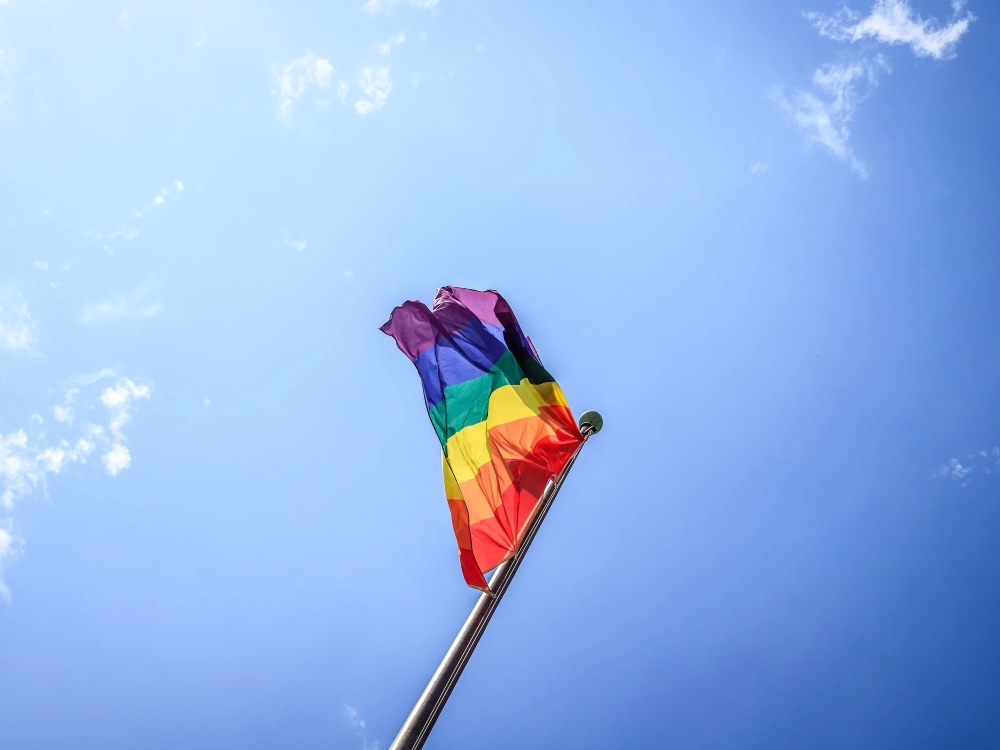

Senate Minority Leader Chuck Schumer is preparing legislation that would formally authorise the display of Pride flags at national park sites, including Stonewall National Monument in New York City.
Schumer unveiled his plans during a press conference at the monument on Sunday, announcing he is drafting the bill alongside fellow New York Democrats Senator Kirsten Gillibrand and Representative Dan Goldman.
The proposal follows President Donald Trump’s directive barring the Pride flag from being flown at certain federal properties, a move that led to its removal from Stonewall National Monument — the historic site where the 1969 uprising against police raids became a catalyst for the modern gay rights movement. In defiance of the federal order, local leaders last week raised a new Pride flag at the monument.
Although Schumer’s bill has yet to be formally introduced in Congress, it would permit national park officials to display the Rainbow Pride Flag at relevant sites. It would also condemn the flag’s removal from Stonewall and call for its restoration, according to a spokesperson for Schumer.
“The lesson is simple. Rights that are not secured in law can be threatened, and symbols that are not protected can be stripped away,” Schumer said. The Pride flag “is not a decoration. It’s a living symbol of history, of resilience, and the ongoing struggle for justice and equality.”
Goldman, who attended last week’s raising of a replacement flag, characterised its removal as an attempt to “spew hate.”
“The Trump administration tried to erase our vibrant LGBTQ+ history by literally tearing down our flag,” Goldman wrote on X “, But rest assured, we won’t let them.”
The proposed legislation arrives amid broader political and legal efforts aimed at safeguarding the Pride flag at Stonewall and other LGBTQ+ historic landmarks.
Last week, the New York City Council passed a resolution opposing the flag’s removal, with several council members present at the re-raising ceremony. At the same time, two federal lawsuits were filed seeking to block the government from removing the flag again.
For many LGBTQ+ rights organisations and activists in New York City, the controversy has reignited energy around protests, mutual aid initiatives, grassroots organising and voter mobilisation campaigns.
Advocates have voiced support for Schumer’s proposal, expressing hope that it could shield LGBTQ+ heritage sites from further federal action.
“The Pride flag represents generations of Americans who fought to be seen, heard, and protected under our nation’s promise of liberty,” said Kelley Robinson, president of the Human Rights Campaign. “This is not about politics or identities. It’s about ensuring our history fully reflects who we are as a country.”
“We’re still here. We’re still queer. And we’re not going anywhere,” said Jay Kuo, chair-elect of the Human Rights Campaign, during Sunday’s event. “So fly your Pride flags higher than ever.”
Tyler Hack, executive director of the Christopher Street Project, a political action committee focused on transgender rights, described the removal of the Pride flag as “destructive”, but said it also symbolises a broader struggle.
“This fight is bigger than a flag. This fight is about youth not being able to get their gender-affirming care. It feels like every day we hear of a new clinic that stops providing life-saving health care to trans youth,” Hack said. “We can’t lose sight that the core of our fight right now is about liberating trans people from all out attacks on our health care and on our ways of life.”