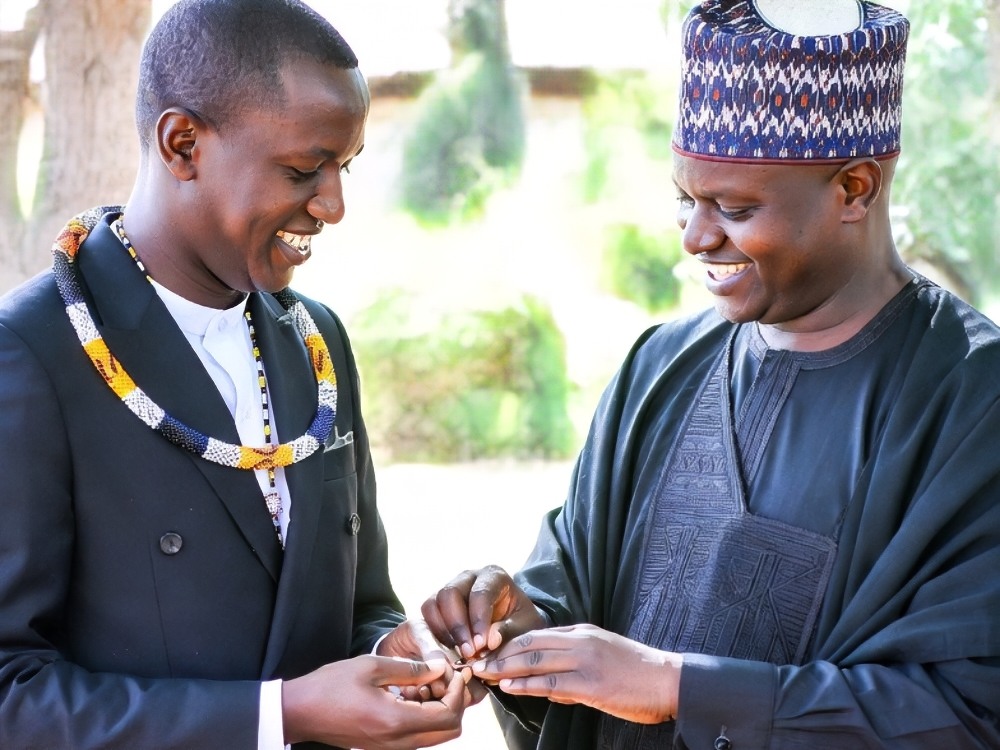
A same-sex couple in Botswana has launched a landmark legal challenge that could reshape the country’s laws on marriage equality.
Bonolo Selelo and Tsholofelo Kumile are taking the government to court, arguing that Botswana’s Marriage Act is unconstitutional because it does not allow same-sex couples to legally marry.
The couple says the law discriminates against them by denying equal protection under the Constitution and preventing them from accessing the rights and responsibilities that come with civil marriage, including inheritance rights, financial protections and the ability to make medical decisions for one another.
Couple Challenges Marriage Act
Selelo and Kumile, who have been together since 2023, attempted to register their marriage with the Department of Civil and National Registration in Gaborone in April 2025. Their application was rejected, with officials stating that Botswana’s laws currently only recognise marriages between a man and a woman.
Their court case argues that excluding same-sex couples from civil marriage breaches constitutional guarantees of equality and protection under the law.
The legal challenge could become a pivotal moment in Botswana’s ongoing conversation about LGBTQ+ rights and legal recognition.
Religious and Traditional Groups Oppose the Case
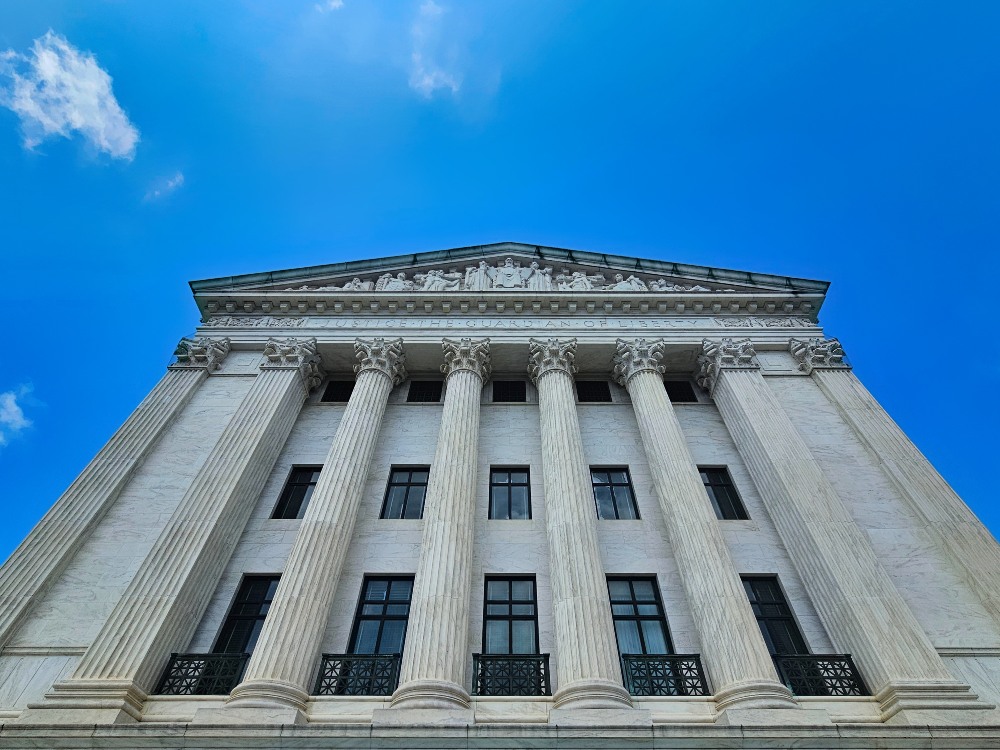
The case has already attracted strong opposition. On Friday, several religious and traditional organisations applied to the Gaborone High Court seeking permission to join the case as opponents of the couple’s legal challenge.
The groups argue that legalising same-sex marriage would conflict with Botswana’s religious beliefs and cultural traditions.
Supporters gathered outside the court holding placards reading “say no to homosexuality”, “save Botswana” and “Botswana is a Christian nation”.
“Let Us Live Our Lives”
Speaking to YTV Botswana, Selelo said that fighting for love has long been part of the country’s history.
She referenced the relationship between Botswana’s founding president, Seretse Khama, and his wife, Ruth Khama, whose interracial marriage in 1948 faced significant resistance at the time.
Selelo said the couple’s case is rooted in a simple desire to live openly and equally.
“We are two people just saying, ‘let us live our lives, let us get married.’”
The case is expected to return to the High Court in July.
LGBTQ+ Organisations Support the Challenge
Botswana’s LGBTIQ+ rights organisation, LEGABIBO, has publicly backed the couple’s legal action.
The group said the case represents a broader fight for equality and dignity, allowing same-sex couples to access the same legal protections available to other couples.
“This case is about dignity, equality, and the ability of two Batswana who love one another to enjoy the same legal protections afforded to other couples,” the organisation said.
LEGABIBO also urged the public to avoid misinformation and inflammatory rhetoric as the case proceeds.
“We also caution against the weaponisation of culture and faith in ways that seek to exclude or diminish the humanity of others,” the organisation said.
The organisation added that love and partnership should not be met with hostility, but recognised as part of the diverse ways families are formed within Botswana society.
Legal Context in Botswana and Across Africa
Botswana made a significant step forward for LGBTQ+ rights in 2019 when the High Court decriminalised homosexuality. The ruling was later upheld by the Court of Appeal in 2021.
Despite that progress, marriage equality remains largely absent across the continent. South Africa is currently the only African country where same-sex couples can legally marry, while roughly 30 nations across Africa still criminalise same-sex intimacy.