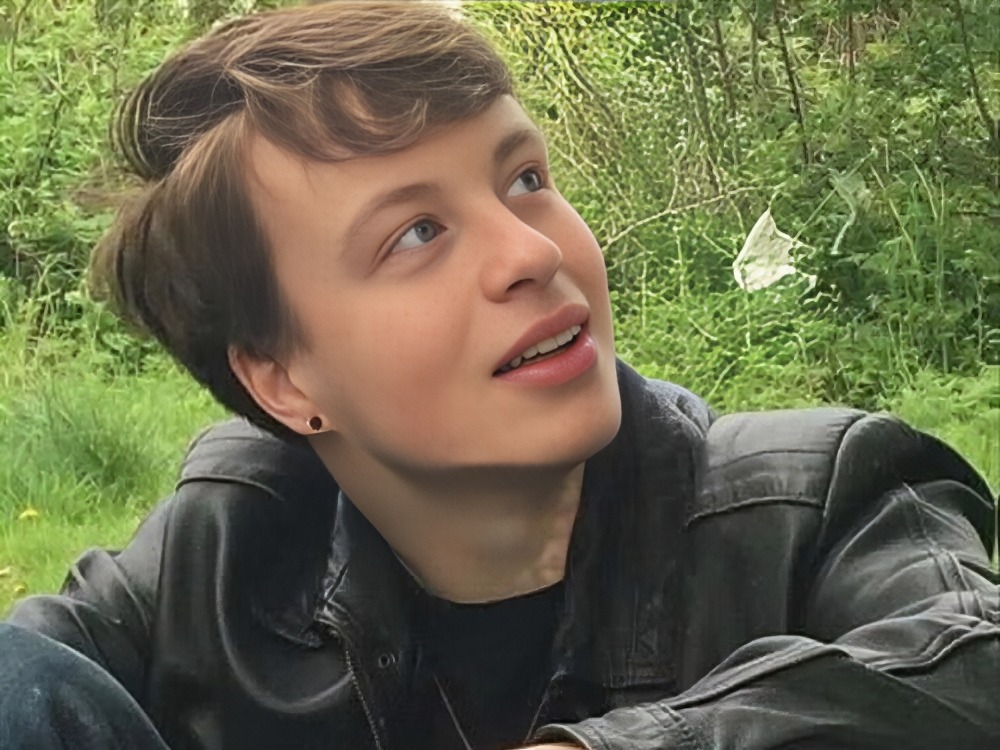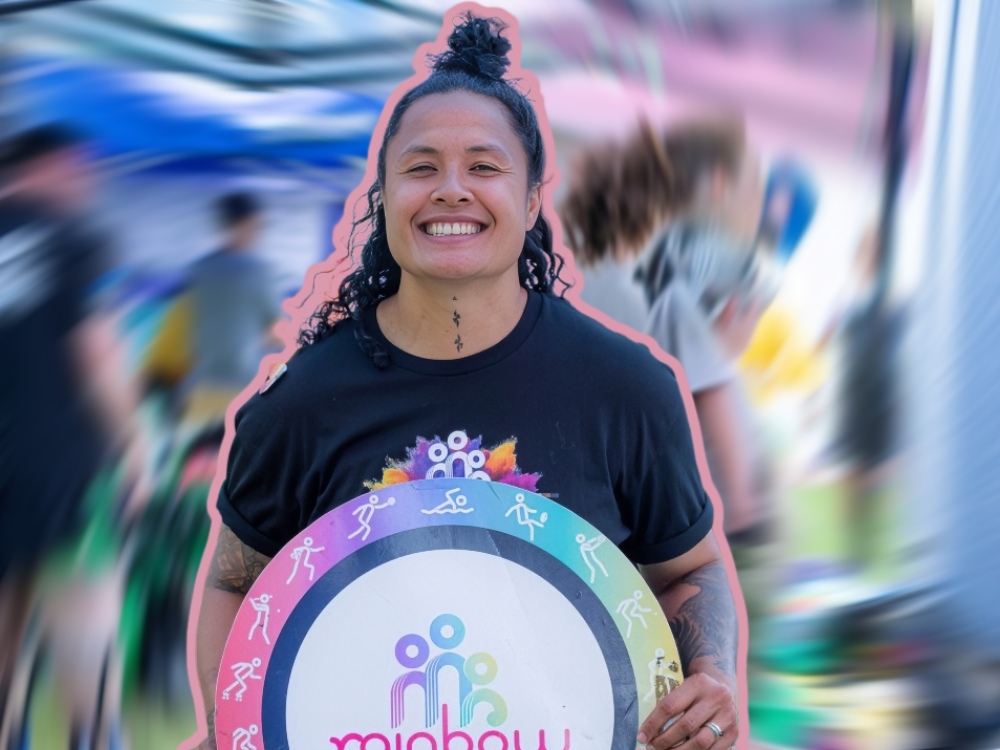
Rainbow Games trustee Paea Longopoa shares her journey growing up queer in a Tongan family in Auckland, navigating culture, identity and finding belonging through rugby and Pacific-led rainbow spaces.
Paea Longopoa grew up in Auckland as the only daughter in a Tongan family of five children. Her parents migrated from Tonga in the early 1970s, arriving in New Zealand during the era of the Dawn Raids, a period marked by hostility for Pacific families.
Like many Pacific households, her parents came seeking financial stability and the chance to support family back home. Paea and her siblings were born and raised in Auckland, navigating the realities of diaspora life alongside the expectations of Tongan culture.
Growing up surrounded by four brothers, Paea describes herself as a tomboy, something that felt natural at the time but complicated in the context of traditional expectations placed on Tongan women.
“You grow up picking up traits from your brothers, masculinity, competitiveness and toughness,” she explains. “But in Tongan culture, there are very clear expectations of how women should behave. Being tomboyish wasn’t always seen as fitting those values.”
As she entered her teenage years and began to understand her sexuality, Paea struggled with isolation, feeling unable to speak openly about being queer within her family or church community.
“It wasn’t that I didn’t trust my family,” she says. “It just didn’t feel like they were the right people to talk to about my sexuality at that time.”
Instead, she found refuge in sport.
Finding a chosen family through rugby
Rugby became both an escape and a lifeline. Paea joined Ponsonby Rugby Club, initially drawn by the opportunity to play competitively, but she also hoped to find community.
“Sport was freedom,” she says. “I joined because I loved rugby, but also because I was looking for a chosen family.”
There, she met other openly queer women. While most were Pākehā rather than Pacific, their openness helped her feel safe.
“They were unapologetically themselves. Seeing that made me realise I could be myself too.”
Even so, there were layers of complexity. Many of her Pacific teammates were deeply connected to church and cultural expectations, and Paea often felt unable to share her sexuality openly with them.
“There was always that fear of judgement,” she says. “You worry about how people will see you, whether they’ll feel uncomfortable around you.”
Despite those challenges, rugby provided a space where she could begin to reconcile her identity and find confidence.
Coming out and finding unexpected support
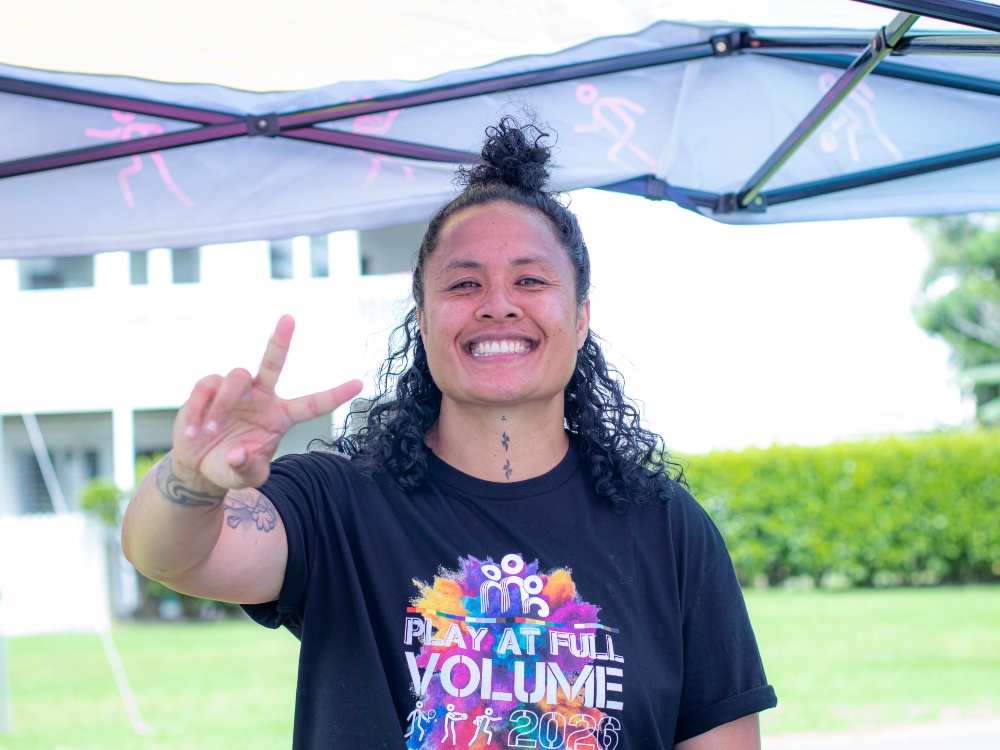
Paea eventually came out to her father during a particularly difficult time, after experiencing her first heartbreak.
“He could see something was wrong,” she says. “He asked if I was okay, and that gave me the chance to tell him the truth.”
His response surprised her.
“He was very understanding. He just wanted to make sure I was okay. It felt warm and safe.”
“As the only daughter, there were expectations that I would marry, have children and fulfil the traditional role of a Tongan woman. Being gay challenged those expectations.”
Her brothers also needed time to process the news, but they came to accept her sexuality.
Cultural expectations and the weight of responsibility
In Tongan culture, women hold significant status and responsibility within the family structure. As the only daughter, Paea carried both honour and expectation.
“There’s pressure to uphold family values, to behave a certain way and to serve your family,” she explains. “That pressure becomes even more complex when you’re queer.”
She describes the emotional toll of “code-switching”, adapting her behaviour depending on whether she was with family, church or her queer community.
“You’re constantly navigating different versions of yourself,” she says. “At home, your role is to serve your family. Outside, you’re trying to find space to be yourself.”
This dual existence created emotional strain, particularly during her early adult years.
“You suppress parts of yourself to meet expectations. That takes a toll.”
The absence and importance of representation
One of the most difficult aspects of Paea’s journey was the lack of visible queer Tongan role models.
“When I was younger, there weren’t many people who looked like me,” she says. “You could find queer communities, but not necessarily people who shared your cultural background.”
This absence contributed to feelings of isolation, even within welcoming queer spaces.
“It would have made such a difference to talk to someone who understood both parts of my identity, being Tongan and being queer.”
Today, she has seen that change. Visible queer Pacific athletes and community leaders are helping younger generations feel less alone.
“Visibility matters. It tells young people that they belong.”
Creating safe spaces for future generations
For her Auckland University thesis, Paea explored the experiences of queer Tongan individuals in Aotearoa. Many shared similar struggles, including mental health challenges, isolation and lack of culturally safe support.
“People talked about feeling disconnected, from family, community and themselves,” she says. “There weren’t many spaces that understood their experiences.”
But she is optimistic about the future.
Rainbow organisations led by and for Pacific communities, such as FINE Pasifika, Moana Vā, Fafswag, Village Collective, GendAffirm, Wheke Fortress, Nevertheless, and the Auckland Ball Room scene and their houses, are creating safe, affirming environments for young people to explore their identities.
“It’s beautiful to see,” she says. “There’s a sense of belonging now that didn’t exist before.”
She believes these spaces are essential for wellbeing and resilience.
“They offer love, safety and support, things many of us didn’t have growing up.”
Advice for young queer Pacific people
For young queer Pacific people navigating their identities today, Paea’s message is simple: “Be brave. Reach out. There are communities waiting to support you.”
She emphasises the importance of connection and finding safe spaces where people can be themselves without fear.
“You don’t have to do it alone.”
Looking back, she wishes those spaces had existed when she was younger. But she takes pride in knowing they exist now, and in contributing to that change.
“There’s still work to do,” she says. “But the future feels hopeful.”