
A proposed anti-trans bathroom law in New Hampshire is being criticised as one of the most extreme measures of its kind in the United States, with potential penalties including thousands of dollars in fines and even prison time.
House Bill 1442 would penalise individuals who use gendered facilities in certain public buildings that do not align with the sex listed on their birth records. Under the proposal, violations could result in fines of up to US$5,000 for each offence. Individuals could also face jail time if they later violate a court order prohibiting them from entering those spaces.
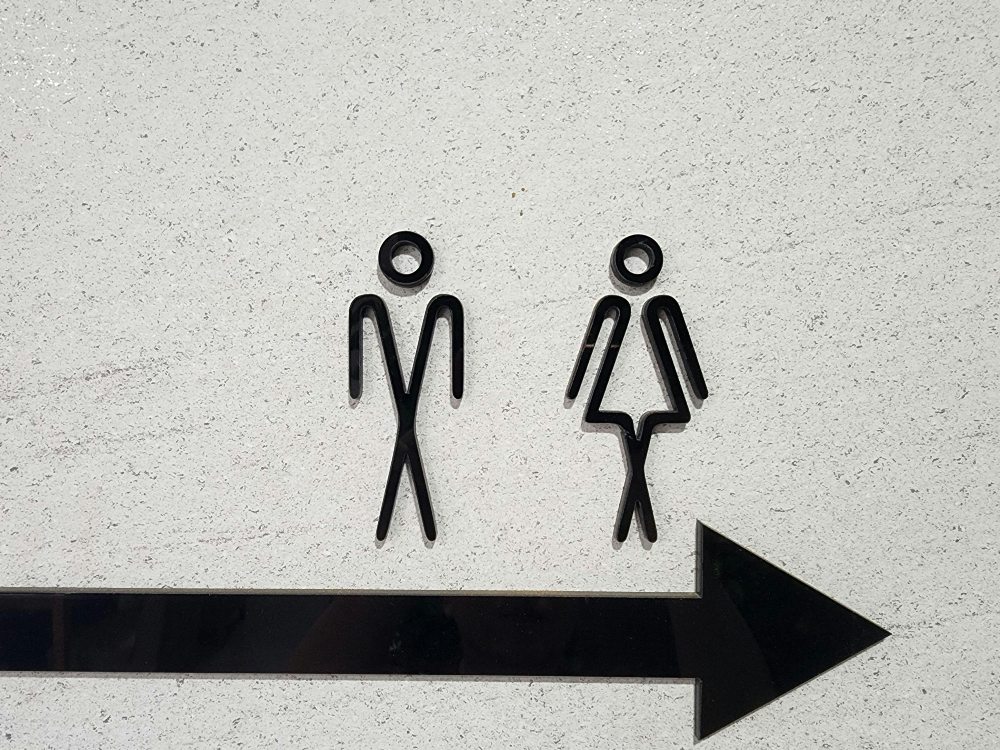
The legislation would allow publicly owned buildings — including schools and government offices — to enforce strict single-sex bathroom policies. Anyone found entering a bathroom inconsistent with the gender marker on their legal documents could be fined under the state’s “wilful trespass” laws.
Bill Passes First Legislative Hurdle
Introduced by 13 Republican lawmakers, the bill cleared its first legislative hurdle after passing the New Hampshire House of Representatives on Wednesday evening with a vote of 181–164.
Three Republicans joined 161 Democrats in voting against the proposal. Nine Republicans and six Democrats declined to vote, while 31 lawmakers were absent from the chamber.
The bill will now move to the state Senate for further consideration.
Governor Previously Rejected Similar Measure
The House vote comes only weeks after New Hampshire’s Republican governor, Kelly Ayotte, vetoed a similar proposal known as SB268.
That earlier bill sought to amend anti-discrimination laws in a way that would effectively restrict transgender people from accessing certain public spaces. Ayotte rejected the legislation for a third time in February, arguing it was too broad and difficult to enforce.
“I made it clear this issue needed to be addressed in a thoughtful, narrow way that protects the privacy, safety, and rights of all Granite Staters,” she said at the time.
Critics Warn of Wider Impact
Advocates say the new proposal goes even further than previous attempts by increasing penalties and introducing a formal definition of “biological sex”, which could be used to support other restrictive policies targeting transgender people.
US legislative journalist Erin Reed described HB 1442 as “one of the most extreme bathroom bans moving through any state legislature in the country”.
She has urged the New Hampshire Senate to reject the measure when it comes up for a vote later this month.
Critics also warn that bathroom bans can affect far more people than the transgender community. Individuals who are perceived as not conforming to traditional gender expectations may also face harassment or challenges when using public facilities.
Concerns About Harassment in Public Spaces
Reports of harassment related to bathroom policing have already surfaced across the United States.
In one widely reported case last year, a Minnesota teenager named Gerika Mudra — who is cisgender — said she was confronted while using a restaurant bathroom. Mudra alleged another patron began banging on her stall door and demanding that a “man” leave the women’s restroom, eventually forcing her to expose her chest to prove she was female.
Advocates say such incidents highlight how bathroom restrictions can lead to confrontations and invasions of privacy for both transgender and cisgender people.