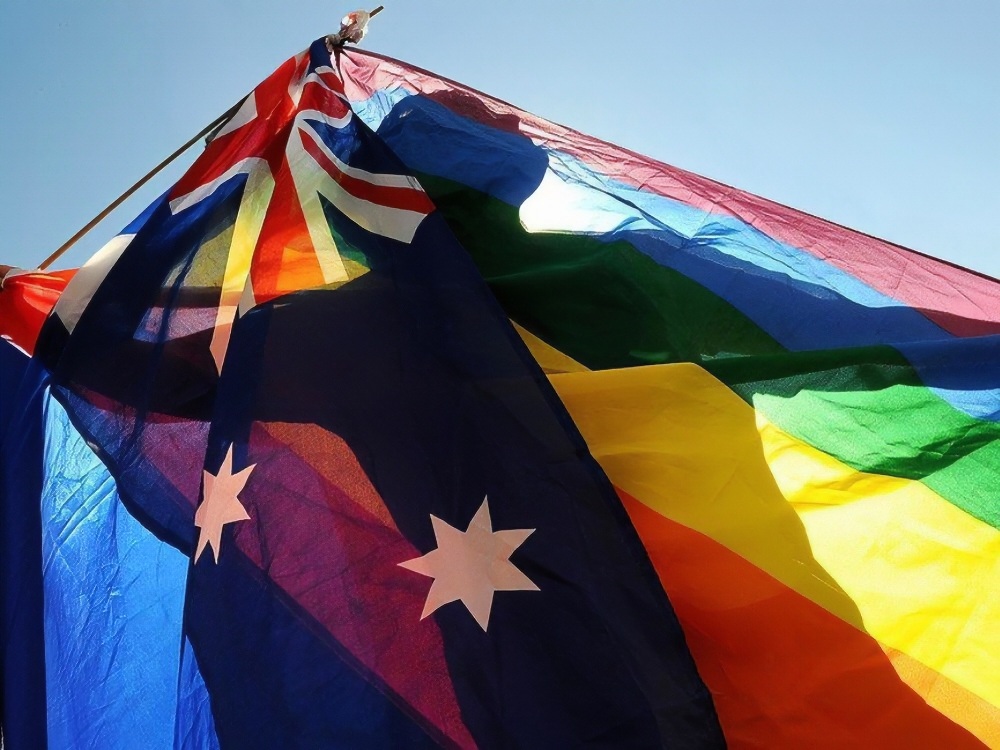

The Australian State of New South Wales has unveiled new legislation aimed at strengthening hate crime protections for LGBTQIA+ communities, responding to a documented rise in targeted violence and harassment.
The proposed reforms expand existing “post and boast” offences to include serious crimes such as assault and robbery. These offences relate to incidents where perpetrators film or share attacks online — a pattern seen in several recent cases, including the so-called “Grindr attacks” targeting gay and bisexual men.
A new offence will also be introduced to address situations where offenders lure victims under false pretences — including through dating apps — with the intent to harm them. In addition, penalties for publicly threatening or inciting violence based on sexual orientation, gender identity or intersex status will be increased, with a new aggravated offence carrying a maximum sentence of seven years’ imprisonment.
The reforms would also amend the Crimes (Sentencing Procedure) Act 1999, making it easier to establish whether an offence was motivated by hate or prejudice. This includes cases where offenders express discriminatory views during or around the time of the crime.
The legislation follows growing concern over the rise in anti-LGBTQIA+ hate crimes across Australia. Reports have highlighted an increase in violent incidents, particularly involving perpetrators targeting individuals through dating apps. A recent ABC investigation revealed nearly 200 such incidents had been reported in NSW since 2023, including cases involving coordinated attacks.
Elsewhere, Victoria has launched a parliamentary inquiry into similar crimes, with police confirming more than 35 arrests linked to these offences between 2024 and 2025.
Praise for the reforms
LGBTQIA+ advocacy groups and community leaders have broadly welcomed the announcement, while emphasising the need for broader action.
ACON CEO Michael Woodhouse said the organisation “strongly welcomed” the reforms, noting increasing concern over violent robberies and assaults targeting gay and bisexual men online.
“Over recent years, the LGBTQ community has been experiencing a rising level of hate. We are especially concerned by robberies and violent attacks against gay and bisexual men who have been lured into unsafe situations through social media apps,” he said.
Woodhouse added that strengthening police powers could help improve safety and accountability.
“The new tools created by this legislation should improve community safety by giving police additional ways to hold perpetrators of hate crimes to account.”
Independent MP Alex Greenwich also supported the changes, stressing the importance of laws that reflect emerging threats.
“In NSW, you should be able to seek a hook-up, coffee, or date on an app and not be met with violence, robbery, outing or intimidation,” he said. “These laws respond to an emerging hate crime targeting gay and bisexual men, but the reforms will make NSW safer for everyone who uses an app to meet people.”
Calls for broader action
While advocacy group Equality Australia described the reforms as an important step, it warned that legislation alone would not be enough to address the issue.
“Targeting people on dating apps and luring them into violent attacks is a deeply disturbing form of hate crime and it’s important the law specifically recognises that harm,” said Legal Director Heather Corkhill.
“The government’s reforms send an important signal that violence and intimidation will be taken seriously, but hate is a social problem and criminal laws alone won’t solve it.”
Community leaders are also calling for increased reporting pathways, stronger victim support services and preventative programmes aimed at addressing the root causes of hate.
Woodhouse emphasised the need for a more comprehensive response, including better support systems and early intervention strategies.
“We also need to find ways to increase reporting, better support victims of hate crimes and expand evidence-based programs to divert people expressing hate away from acts of violence,” he said.
Greenwich added that further reforms are needed to ensure protections are proactive, not just reactive, including improved access to justice and the release of Justice John Sackar’s long-awaited review into historical gay-hate crimes in NSW.
Equality Australia echoed these concerns, calling for stronger hate speech protections and earlier intervention.
“Intimidating rainbow families online, calling for violence against trans people, or threatening gay men on the street is unacceptable and demands a serious response,” Corkhill said.
“These reforms fail to address the widespread verbal abuse, threats, online harassment and doxxing that many LGBTIQ+ people experience… We need to intervene earlier and call out hate before it escalates into physical violence.”