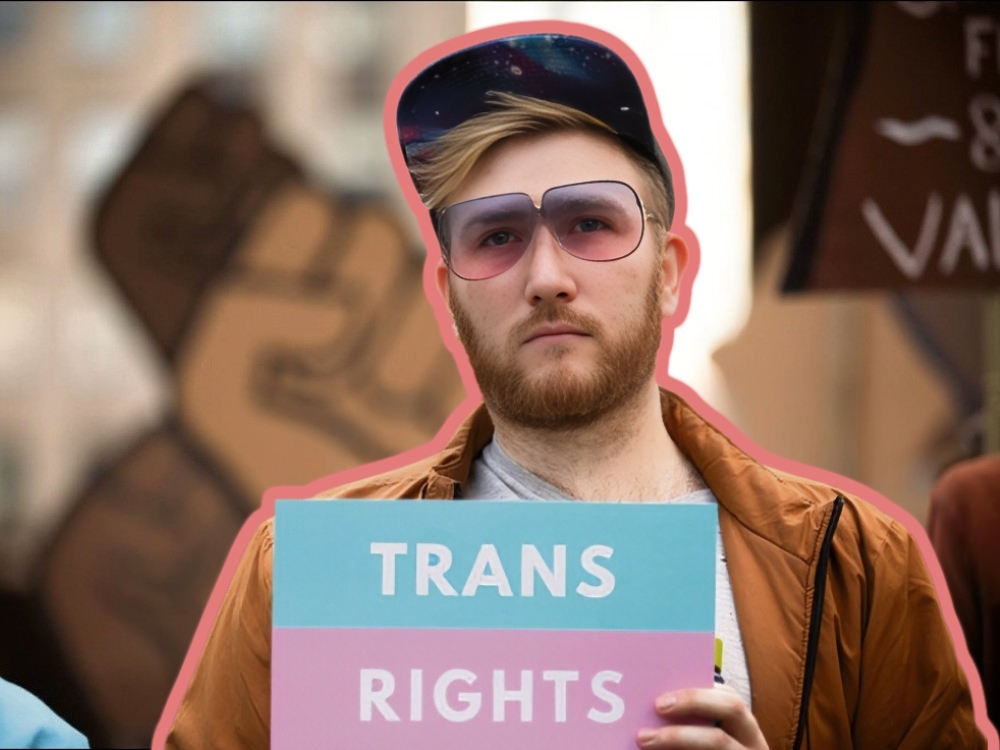

Transgender residents in Kansas are reportedly leaving the state in growing numbers after more than 1,700 driver’s licences were abruptly revoked under new legislation.
The move follows the introduction of SB244, a sweeping and widely criticised law that restricts access to public toilets and locker rooms based on assigned sex at birth. The legislation also allows residents to file complaints — effectively “bounty-style” — against individuals they suspect of being transgender or non-binary in gendered facilities.
Earlier this month, thousands of Kansans received letters ordering them to surrender their existing licences. The Kansas Division of Vehicles declared the documents “invalid immediately” and instructed recipients to obtain new identification reflecting their sex assigned at birth.
Those who fail to comply could face serious penalties, including fines of up to $1,000 or even jail time.
For many, the policy has been a breaking point. Trans resident Jaelynn Abegg, who received one of the notices, said she plans to leave the state rather than comply.
“I’m pretty heartbroken,” the 41-year-old told NBC News. “It is a continuation of the message that the Legislature has been sending out for years now, and that is that transgender people are not welcome in Kansas.”
Others have described confusion and inconsistency in how the law is being enforced. Andrea Ellis said staff at her local DMV were unsure how to process her case, ultimately issuing a temporary licence without changes.
Not everyone is choosing to leave. Kansas-born trans man Matthew Neumann said he intends to stay despite facing harassment and threats over his use of public facilities.
“I’m just disappointed and frustrated,” he said. “I’m just hoping that maybe this is the wake-up call we need.”
The law was passed despite being vetoed by Democratic governor Laura Kelly, with Republican lawmakers overriding her decision. Kelly later criticised the bill as “poorly drafted”, warning it could be widely abused and affect more people than intended.
“[The law] will undoubtedly impact many others who are targeted with animus, whether or not they are transgender,” she said. “This was sadly politics over people, but we will keep fighting for dignity and freedom for all LGBTQ+ people.”
Legal challenges are already underway. Two transgender residents have filed a lawsuit arguing the law violates fundamental rights to autonomy and personal freedom. However, a judge has declined to temporarily block its enforcement while the case proceeds.
Civil liberties advocates have also raised concerns about the broader implications. Harper Seldin, an attorney with the American Civil Liberties Union (ACLU), said the policy forces trans people to publicly disclose their identity in everyday situations.
“They were suddenly required… to obtain driver’s licences that announced to everyone — the teller at the bank, the clerk at the hotel, the poll worker on election day — that they are transgender,” Seldin said.
The controversy comes amid a wider surge in debates over transgender rights in both the US and UK, particularly around access to public spaces, with critics warning of increasing risks not just for trans individuals but for anyone perceived to not conform to gender norms.