The United Nations has overwhelmingly rejected a proposal from the United States that sought to define “gender” strictly as referring to men and women.
The resolution was introduced on 19 March during the final day of the UN’s 70th Commission on the Status of Women — a major global conference focused on advancing women’s rights.
In a draft seen by PassBlue, the US argued that the meaning of “gender” has expanded in recent years beyond what it described as its “accepted prior usage.” It also claimed that the 1995 Beijing Declaration on women’s rights defined gender in binary terms.
However, that interpretation was challenged. A letter from the Women’s Rights Caucus noted that the Beijing Declaration does not provide a fixed definition of gender. Experts echoed this view, with International Crisis Group gender director Cristal Downing stating that member states had effectively “agreed to disagree” on the term and preferred to leave it open rather than impose a universal definition.
During the session, Belgium’s representative strongly opposed the US proposal, calling it “factually incorrect” and accusing it of attempting to rewrite the Beijing Declaration. Belgium subsequently introduced a “no action motion” to prevent the resolution from advancing.
The motion was successful, with 23 countries voting in support of halting the proposal, 17 abstaining and only two — Pakistan and Chile — voting alongside the United States.
Advocates and LGBTQ+ organisations welcomed the outcome. Speaking to Devex, María Paula Perdomo of Outright International described the vote as a significant moment.
“It was a huge moment of the world telling the US that it stops here… if you want to bring this, do it appropriately, do it with due process, and bring it with truth,” she said.
Some countries that abstained, including Italy, reportedly cited procedural concerns with how the resolution was introduced, while noting that their domestic policies align more closely with the US position.
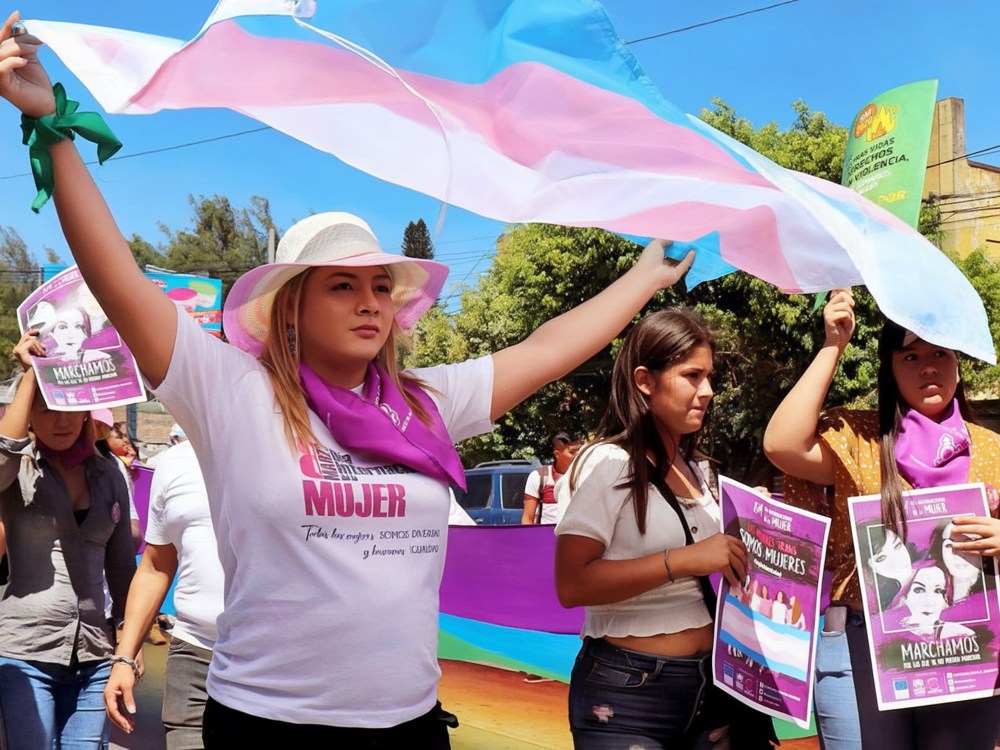
The vote highlights ongoing global tensions over gender definitions and LGBTQ+ rights, as international bodies continue to navigate differing political and cultural approaches to gender identity.