








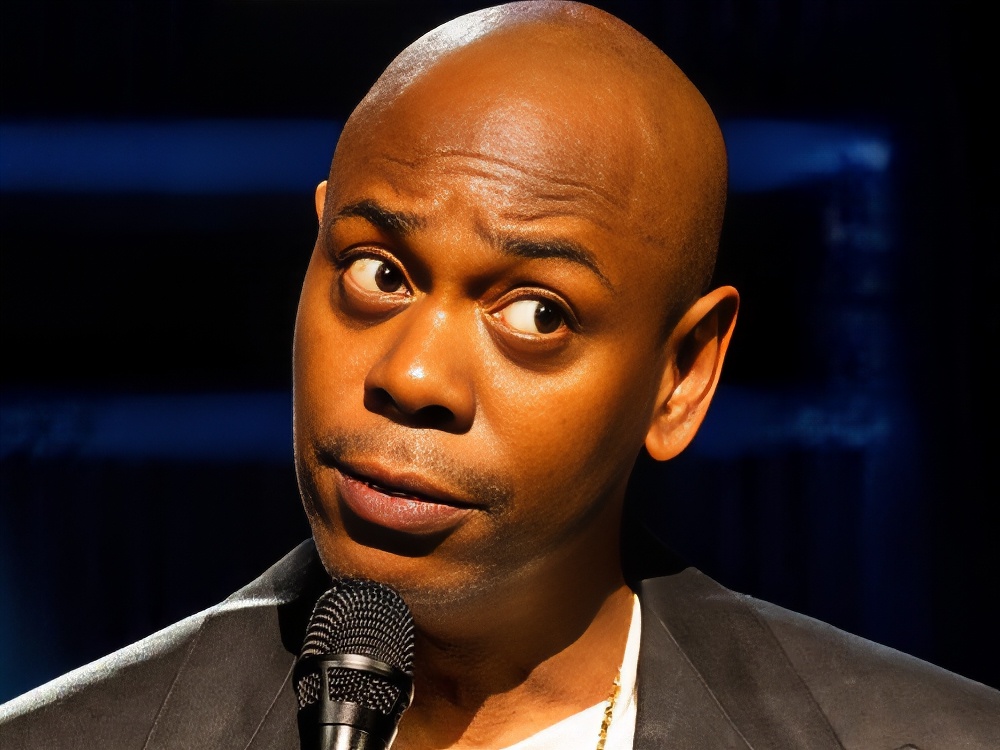

Dave Chappelle is once again at the centre of debate after claiming that Republicans have “weaponised” his previous jokes about transgender people, insisting he never intended them to be used as political ammunition. His comments have reignited long-running concerns from LGBTQIA+ voices who argue that the impact of his comedy cannot simply be separated from how it lands in the real world.
Speaking to NPR’s Newsmakers podcast, Chappelle said he did not believe his material was “malicious or even harmful”, even while acknowledging frustration at how anti-trans politicians had seized on it. “I did resent that the Republican Party ran on transgender jokes,” he said. “I felt like they were doing a weaponised version of what I was doing. That’s not what I was doing.”
He pointed to a 2023 photo taken with US Congresswoman Lauren Boebert as a key example. According to Chappelle, he had been posing for pictures with numerous lawmakers when Boebert approached him for one as well. He said he agreed in the moment, but later saw her post the image online with a caption referencing “two genders”, turning the encounter into a culture-war statement he says he never intended to endorse. Chappelle said he “lit her ass up” over it when he reached his show that night.
Boebert has since hit back, dismissing Chappelle’s complaints and telling TMZ that “transgenderism is a joke”, while denying that she had used his comedy in the way he described. Her response only deepened criticism of the entire exchange, particularly because it appeared to prove the very point Chappelle said he was trying to make about politicians using anti-trans rhetoric for effect.
The controversy is the latest chapter in a much longer saga. Chappelle has faced backlash for years over repeated material about transgender people in his stand-up, especially in Netflix specials such as Sticks & Stones, The Closer and The Dreamer. The Closer in particular became a major flashpoint in 2021, prompting criticism from LGBTQ+ groups, public debate over transphobia in comedy, and protests by some Netflix employees.
That history is why many LGBTQIA+ critics are not persuaded by Chappelle’s attempt to draw a line between his jokes and the Republican Party’s anti-trans politics. For them, the issue is not whether he personally intended harm, but whether his work helped normalise rhetoric that politicians were always likely to exploit. As Them argued in its response to the NPR interview, it is difficult to find meaningful distance between a years-long body of anti-trans humour and the anti-trans agenda of figures like Boebert.
Trans advocates have made that point directly. In response to the renewed debate, civil rights advocate Vandy Beth Glenn warned that “the law of unintended consequences has brought down better men than Chappelle”, while other commentators argued that comedians with Chappelle’s cultural reach are not “just comedians” but powerful tastemakers whose work shapes how audiences think and speak about already vulnerable communities. Those reactions were reported in coverage responding to the NPR interview.
Chappelle, however, appears unmoved by calls for him to stop engaging the topic. In the NPR interview and subsequent coverage, he continued to defend his work as art, not malice, and suggested his greater objection was to the idea that disapproval should limit what he is allowed to say. That stance is likely to keep the debate alive, especially as critics continue to argue that intent does not erase impact.