









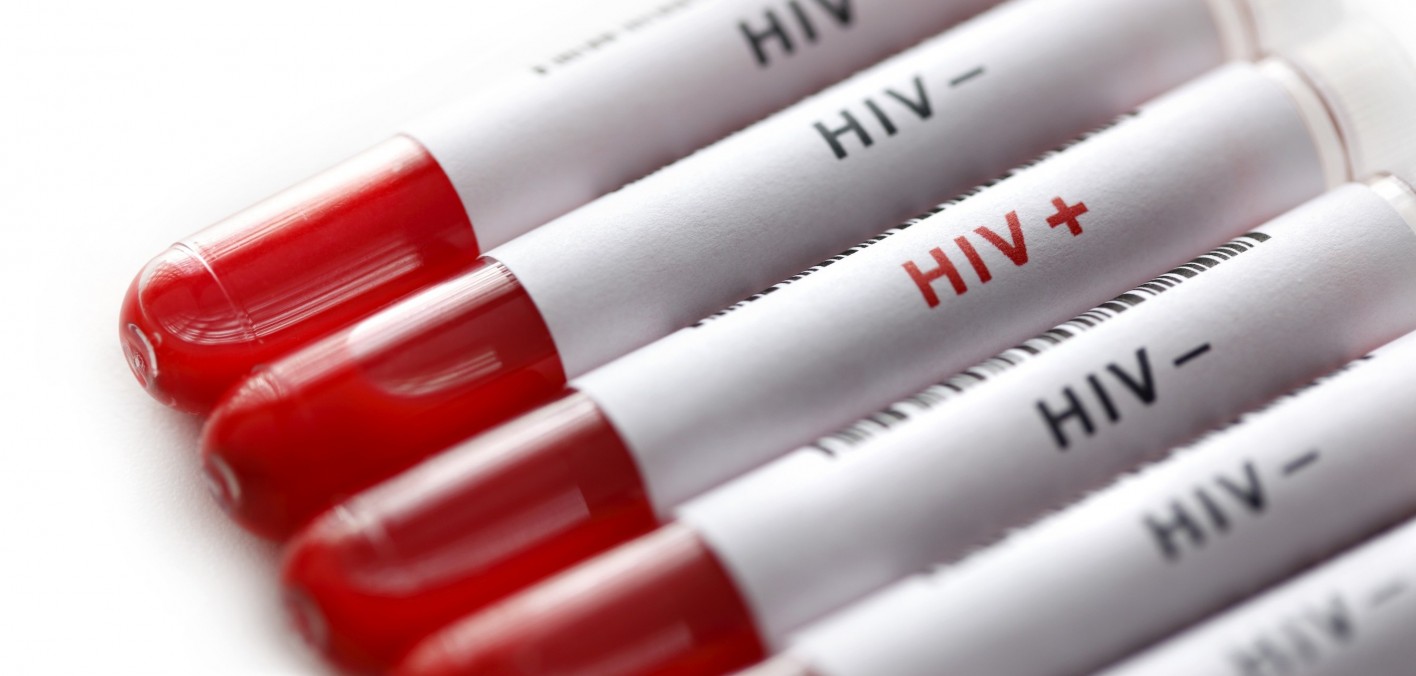
A 64-year-old man in Oslo has been described as “likely cured” of HIV after remaining in remission for five years following a stem-cell transplant from his brother, who carried a rare genetic mutation linked to resistance against many strains of the virus.
Doctors involved in the case have stressed, however, that this is not a realistic pathway to a broadly available HIV cure.
The transplant was carried out to treat the man’s bone marrow cancer, not HIV itself. He was first diagnosed with HIV in 2006, at the age of 44, and later stopped taking antiretroviral medication 24 months after the transplant.
Researchers published the case in Nature Microbiology on Monday. According to the study, tissue samples taken two years after the procedure from both his blood and gut showed no HIV DNA in the host DNA. An analysis of more than 65 million immune cells also found no virus capable of replicating, along with no detectable HIV-specific T-cell responses.
The study authors wrote: “Replication-competent virus and HIV-specific T cell responses were absent, and HIV antibody responses showed a gradual decline.”
They added: “The absence of HIV-specific T cell responses in our data supports the hypothesis that such an absence correlates with sustained HIV remission.”
The case is considered extraordinarily rare. The man’s brother happened to carry the CCR5Δ32/Δ32 mutation, which is known to make cells resistant to many HIV strains. After the transplant, the donor’s cells gradually replaced the patient’s immune cells in his blood, bone marrow and gut tissue.
Scientists involved in the study said this kind of outcome is highly unusual and unlikely to be replicated for most patients.
Study co-author Anders Eivind Myhre explained: “A sibling has a 25 per cent probability of being a match for a transplant, and the frequency of CCR5Δ32/Δ32 is around one per cent” in northern European populations.
That combination alone makes cases like this exceptionally uncommon.
The case also highlights why stem-cell transplantation is not considered a practical cure strategy for most people living with HIV. It is a high-risk procedure generally reserved for people with life-threatening blood cancers or similarly serious conditions.
CCR5 has long been a major focus in HIV research because it acts as a co-receptor that many strains of the virus use to enter immune cells. That is why researchers continue to study CCR5-targeting approaches in the search for future treatments and potential cures.
Clinicians also make an important distinction between a sterilising cure, meaning no virus remains anywhere in the body, and long-term remission without the need for treatment.
For the vast majority of people living with HIV, antiretroviral therapy remains the standard of care. With consistent treatment, people can achieve an undetectable viral load and live a normal lifespan. The principle of U=U — Undetectable equals Untransmittable — is now widely accepted, meaning people with a sustained undetectable viral load do not sexually transmit HIV.
LGBTQ+ communities, particularly gay and bisexual men, have also played a central role in HIV activism, treatment advocacy and public health education throughout the epidemic.
Study author Marius Trøseid told Live Science that the patient “feels like he has won the lottery twice … He was cured of his bone marrow disease, which could be fatal, and he’s also now cured of HIV, most likely.”
While the case is remarkable, researchers say its real value may lie in what it can teach science about how long-term HIV remission works — rather than offering a cure that could be widely used.