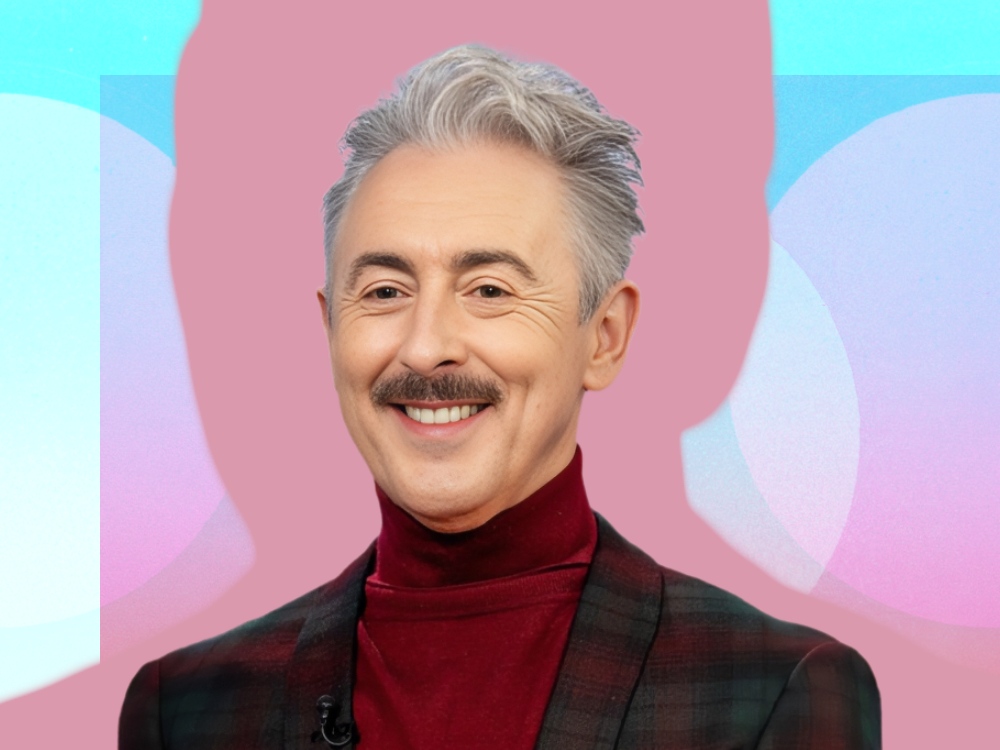











A looksmaxxing influencer has gone viral after saying he sees being called “gay” as a compliment, arguing that people often use it as shorthand for someone looking more attractive, polished or well-groomed than average.
In the clip, Dillon Latham responds to being called gay by saying he is not insulted by it at all. In fact, he says he takes it positively. His reasoning is that the “gay dating market” is more competitive, and that when people say someone “looks gay”, what they often really mean is that they appear more stylish, more put together, or more conventionally attractive than the average straight man.
The comment has sparked wider discussion online about what people actually mean when they associate “looking gay” with grooming, fitness and appearance. For some, Latham’s take feels knowingly tongue-in-cheek. For others, it leans heavily on familiar stereotypes about gay men being more image-conscious, more fashionable, or more invested in physical presentation.
That conversation has also overlapped with growing criticism of looksmaxxing culture itself. PinkNews notes that the subculture is rooted in online self-improvement spaces focused on maximising attractiveness, but is also closely tied to manosphere and incel-adjacent communities, where appearance is often discussed in rigid, competitive and hierarchical terms.
The article also points to a broader argument about what some have called a “new homophobia” emerging from that world. In a piece for The Atlantic, critic Spencer Kornhaber argued that gay men are increasingly being framed not as weak or marginal, but as powerful, polished and intimidating in ways that some straight men now seem to resent. That framing helps explain why “you look gay” can be thrown around as both an insult and, weirdly, an acknowledgement that someone looks good.
At the same time, the idea that gay dating is inherently more appearance-driven remains a stereotype, however common it may be in online discourse. PinkNews notes that experiences of desirability and dating vary enormously depending on race, age, body type, geography and community, meaning Latham’s claim reflects one narrow reading of gay life rather than a universal truth.
So while the clip may have landed as a joke, the reaction to it says something more complicated. It reveals how often “gay” is still used as a cultural code for beauty, grooming and taste — and how quickly those assumptions can slide from flattery into stereotype. That final sentence is an inference based on the article’s framing of the debate around the clip.