








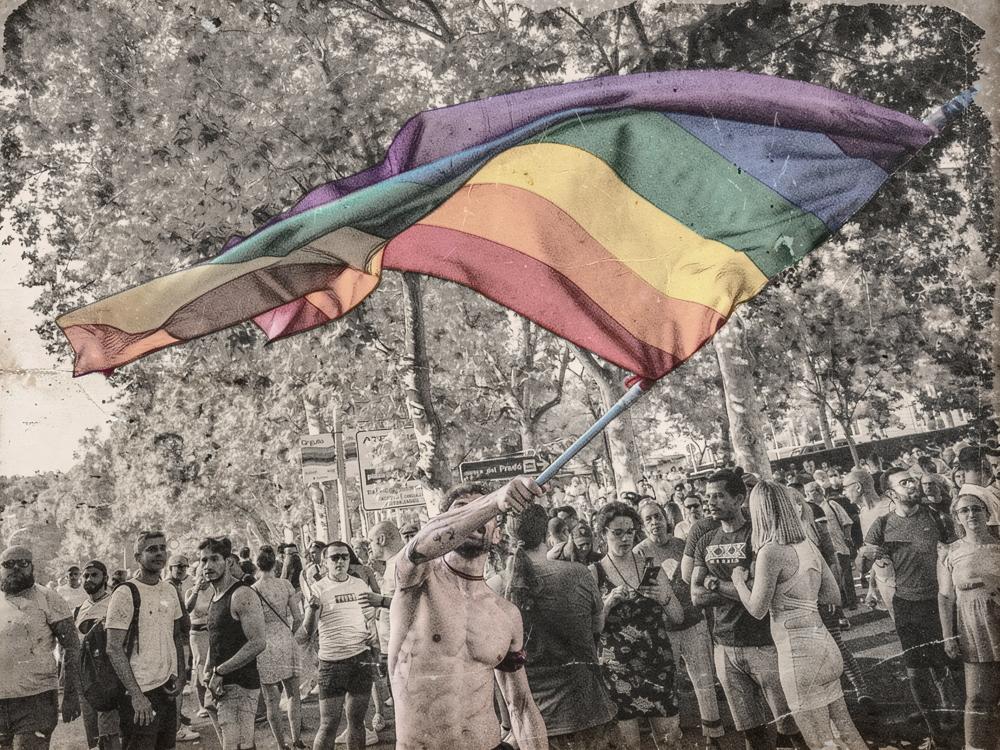

The rainbow Pride flag is set to fly once again over Stonewall National Monument, in a significant reversal by the Trump administration after months of backlash, legal action and protest from the LGBTQ+ community. The administration agreed this week to restore the flag as part of a court-enforceable settlement, after removing it from the federally managed site in February.
The earlier decision to take down the flag triggered immediate anger from LGBTQ+ advocates, preservation groups and local leaders, who argued the move was an attempt to erase queer history at one of the movement’s most important landmarks. Stonewall, in New York’s Greenwich Village, is widely regarded as the birthplace of the modern LGBTQ+ rights movement after the 1969 uprising against a police raid. President Barack Obama designated it a national monument in 2016.
Critics viewed the flag’s removal as part of a broader effort by the administration to scale back LGBTQ+ visibility across federal spaces. The controversy deepened earlier in 2025 when references to transgender people were removed from Stonewall National Monument’s website and related materials, prompting accusations that the site’s history was being rewritten.
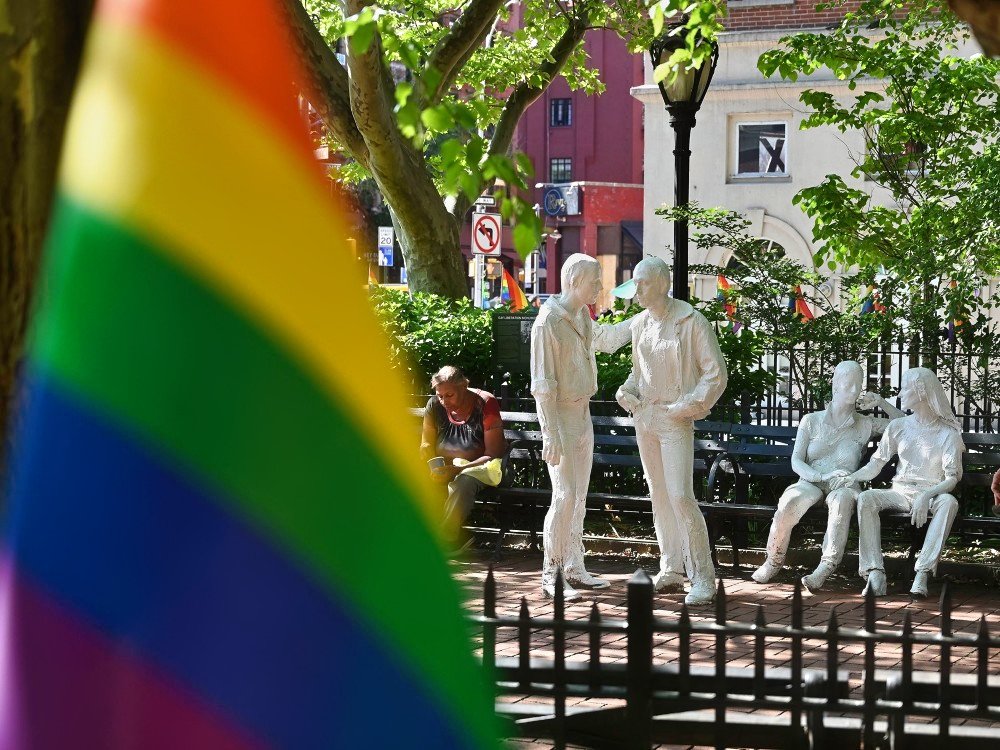
The government’s reversal came after LGBTQ+ and historic preservation groups challenged the removal in court. Under the settlement, the Pride flag must be rehung within seven days and will remain in place apart from practical exceptions such as maintenance. It will fly on the monument’s main federal flagpole alongside the United States flag and the National Park Service flag, a symbolic arrangement supporters say reinforces LGBTQ+ history as part of the American story.
Advocates have welcomed the agreement as a meaningful victory, saying the return of the flag restores a vital symbol of visibility, remembrance and resistance at one of the most important sites in queer history.