








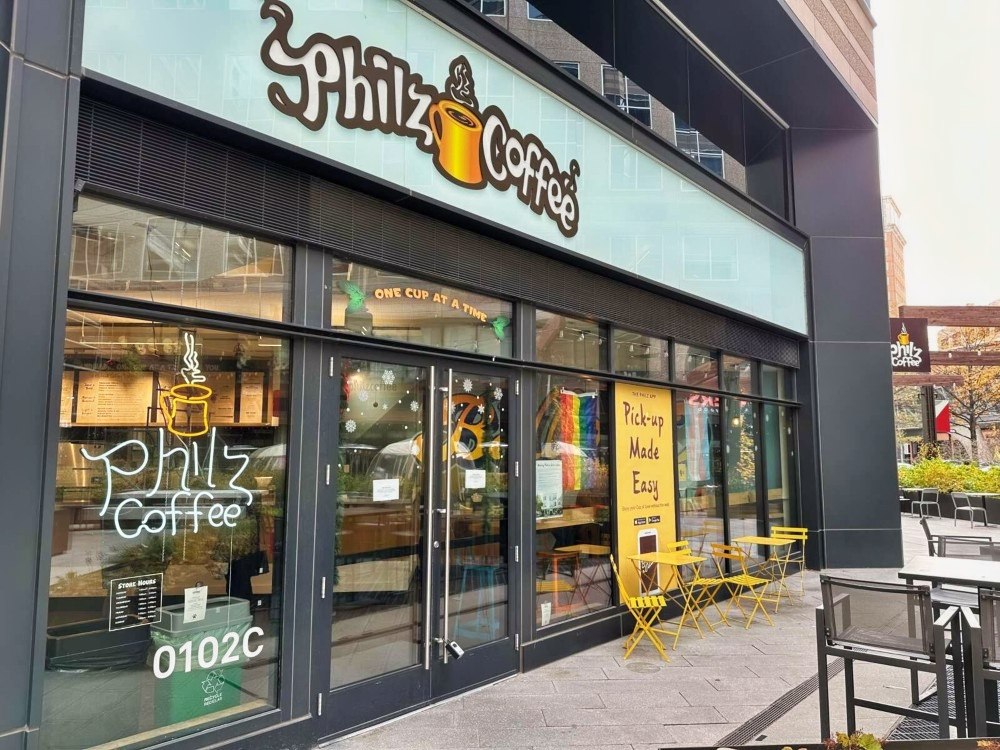

Californian coffee chain Philz is facing mounting criticism after deciding to remove Pride flags from its stores, with the company arguing the move is meant to create a more “inclusive” and consistent in-store experience. The decision has sparked anger among staff, customers and local LGBTQ+ advocates, particularly in San Francisco, where Philz has deep roots and where queer visibility is woven into the identity of neighbourhoods such as the Castro.
In a public statement, Philz chief executive Mahesh Sadarangani said the company was working towards “creating a more consistent, inclusive experience across all our stores, including removing a variety of flags and other decor”. He added that the company’s support for the LGBTQIA+ community had not changed, pointing to its hiring practices, workplace culture and annual Pride Month Unity celebration, which Philz says will return again this June.
That explanation has not gone down well with many employees and customers. A petition launched by a group identifying itself as Philz Coffee Baristas argues that visible Pride flags remain a “simple yet remarkably powerful” sign of solidarity, especially in the current political climate. The petition says the flags signal that Philz stores are safe and welcoming spaces for LGBTQIA+ staff and visitors, and warns that removing them risks alienating both workers and loyal customers. The petition had attracted thousands of signatures within days.
The backlash has been especially intense in the Bay Area, where many businesses openly embrace the region’s queer history. Protesters gathered outside Philz’s Castro store on Friday, with critics describing the move as a rejection of LGBTQ+ visibility in one of San Francisco’s most historically significant queer neighbourhoods. According to the San Francisco Chronicle, protester Connie Jeung-Mills called the decision “a big slap in the face” to the queer community, especially in the Castro.
Other local businesses have also weighed in. Cafe Suspiro posted criticism online, suggesting Philz was “not what it used to be”, while broader community reaction has framed the decision as part of a shift away from the coffee chain’s earlier community-focused identity. Recent reporting has linked that concern to changes following Philz’s acquisition by private equity firm Freeman Spogli & Co., with some staff and customers saying the company now feels more corporate and less rooted in the values it once projected.
Founded in San Francisco in 2003 by a father-and-son team, Philz built its brand on neighbourhood connection and personalised service. That history is part of why this decision has landed so badly for many longtime supporters. For critics, the issue is not just about décor. It is about what public displays of solidarity mean, and what it signals when a company decides they are no longer welcome on the wall.