








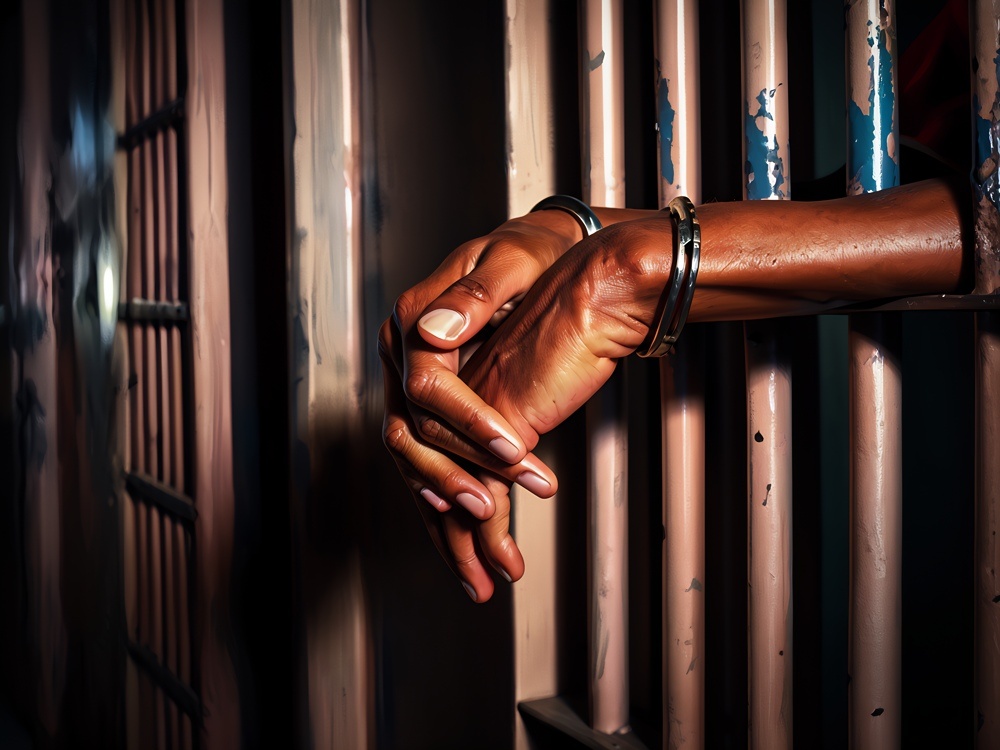
A young man has become the first person sentenced under Senegal’s newly enacted anti-LGBTQ+ law, in a case that has sparked serious concern from human rights organisations.
According to the Associated Press, the 24-year-old labourer was sentenced last week by a court in the Dakar suburb of Pikine-Guédiawaye to six years in prison and fined 2 million CFA francs, or about US$3,300. He was convicted of committing “acts against nature and public indecency” after being arrested earlier this month.
The conviction comes only weeks after Senegal’s President Bassirou Diomaye Faye signed a law sharply increasing penalties for same-sex intimacy. The measure doubles the maximum prison sentence from five to 10 years and raises fines to as much as 10 million CFA francs. It also criminalises the so-called “promotion” or financing of homosexuality, bisexuality and “transsexuality”, threatening activists and advocacy groups with prison terms of three to seven years.
Human Rights Watch condemned the sentence, calling it unlawful under international law and arguing that Senegal remains bound by treaty obligations protecting dignity, privacy and equality for all people. UN High Commissioner for Human Rights Volker Türk had already warned before the law was signed that the legislation violated fundamental rights, including privacy, equality, dignity, and freedoms of expression, association and peaceful assembly.
Supporters of the law said it was designed to defend “African values”, but rights groups say it is part of a wider crackdown on LGBTQ+ people in Senegal. Reuters reported that lawmakers overwhelmingly approved the bill in March, while AP and Human Rights Watch have separately documented a rise in arrests and harassment targeting people accused of same-sex conduct. Human Rights Watch said the tougher law has intensified fear and emboldened more aggressive policing.
Senegal now joins more than 30 African countries that continue to criminalise same-sex intimacy. The new law has drawn condemnation not only from rights groups but also from international bodies concerned that it will worsen stigma, restrict public expression, and make already vulnerable communities even less safe.