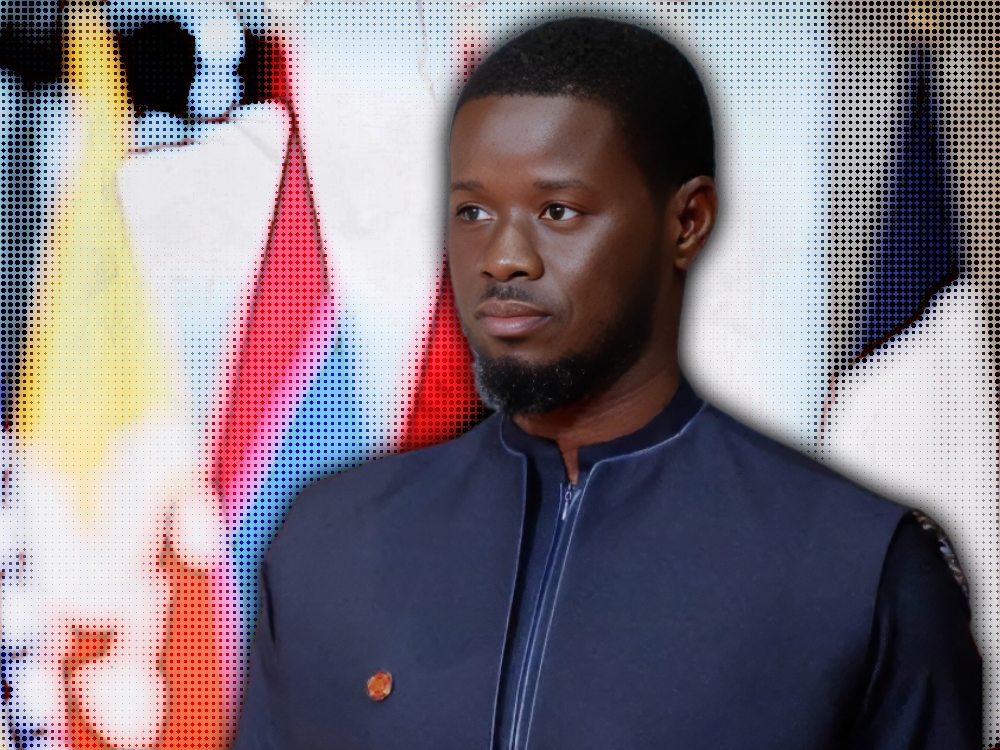

Senegal’s President, Bassirou Diomaye Faye, has signed a sweeping anti-LGBTQ+ law, pushing the country further backwards on rights and freedoms despite strong international criticism. The legislation was approved by parliament earlier in March and formally enacted this week.
Senegal’s National Assembly overwhelmingly passed the bill on 11 March, with lawmakers greeting the result with applause. The new law sharply increases existing penalties for consensual same-sex intimacy, lifting the maximum jail term from five years to 10 and increasing fines to as much as 10 million CFA francs, or roughly US$16,000 to US$17,600 depending on the conversion cited.
The legislation also broadens the crackdown beyond same-sex intimacy itself. It criminalises the so-called “promotion” or financing of homosexuality, bisexuality and “transsexuality”, raising alarm among rights advocates who say it threatens free expression and any form of LGBTQ+ advocacy or support.
Its passage followed a wider intensification of anti-LGBTQ+ hostility in Senegal, including a rise in arrests and a political climate in which lawmakers have continued to promote the false claim that homosexuality is incompatible with African identity. Similar legislative efforts had been introduced before but failed to become law.
Reports have also linked the campaign around the bill to MassResistance, a US-based anti-LGBTQ+ group accused of helping promote the legislation and advising local supporters.
The law has drawn condemnation from United Nations agencies and human rights officials. UNAIDS warned before the signing that harsher anti-LGBTQ+ legislation could undermine life-saving HIV prevention, treatment and care services in Senegal.
UN High Commissioner for Human Rights Volker Türk said the measure was “deeply worrying” and that it “flies in the face of the sacrosanct human rights we all enjoy: the rights to respect, dignity, privacy, equality and freedoms of expression, association and peaceful assembly.”
Elsewhere in West Africa, Ghana has also revived its own anti-LGBTQ+ bill. Human Rights Watch reported in March 2026 that the legislation had been formally reintroduced to parliament, continuing a process that had previously stalled before becoming law.