










Ardon England opens up about his new EP I’m That Bitch, and the realities of building a music career in New Zealand
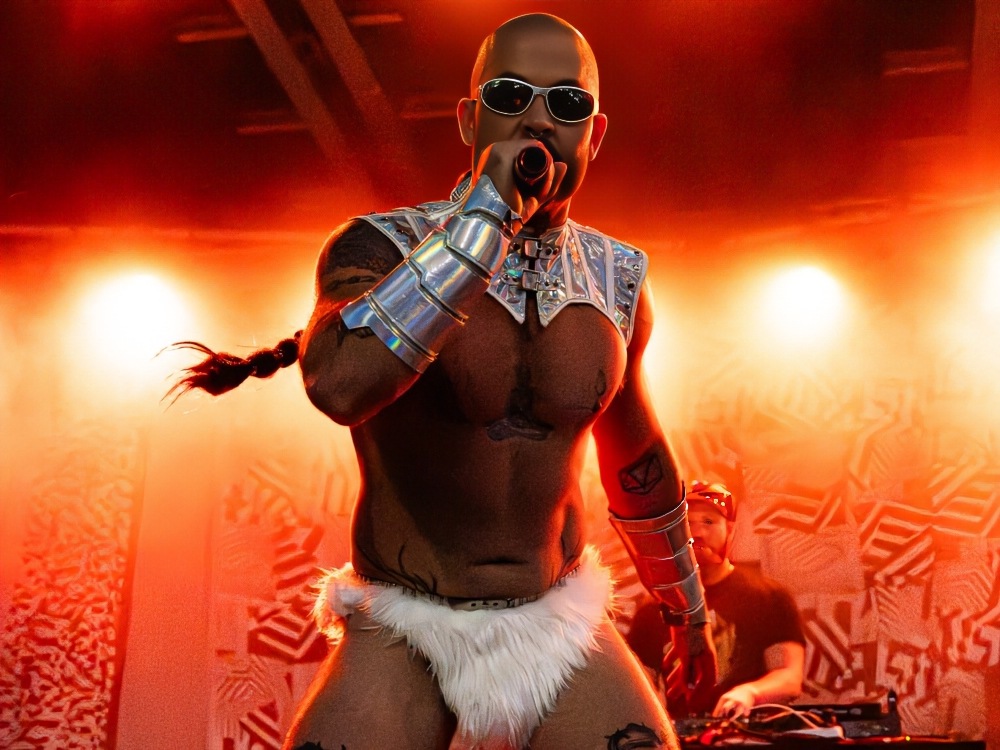
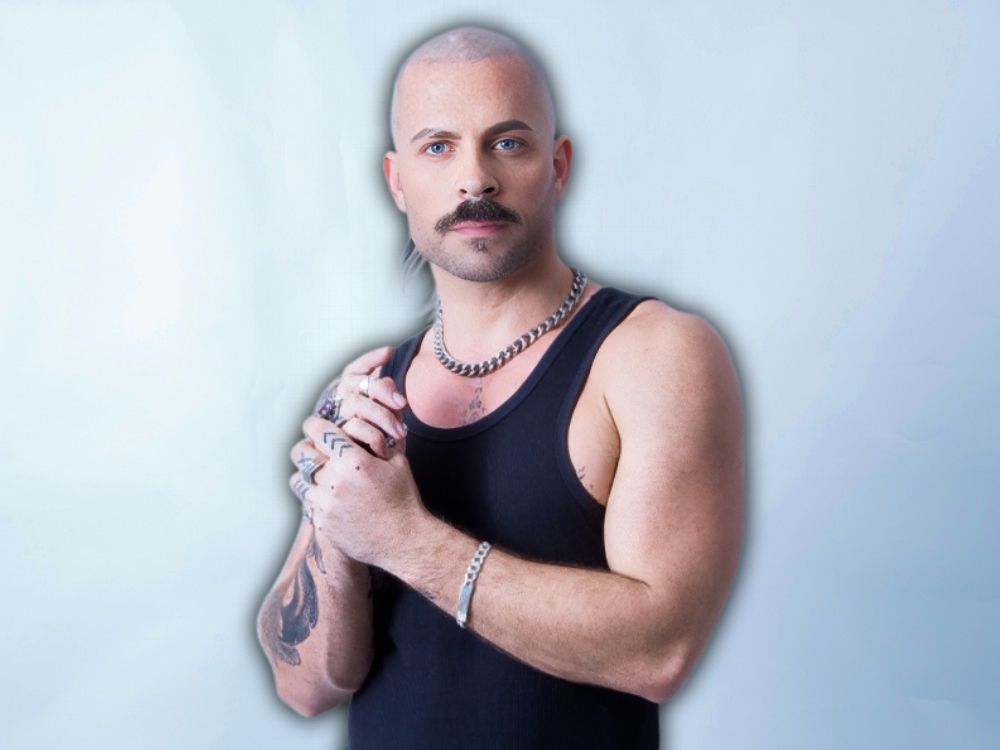
Ardon England is a true artist. Even the hair has a concept. What looks at first glance like a mullet is, in his words, “a scullet!”
The idea came to him, he says, while walking down the street. “The wind was blowing, and then I was like, imagine what it’d feel like to have some hair blowing in the back. I always kind of did this imaginary hair flick anyway, and now I can’t imagine myself without it.”
That mix of humour, image-consciousness and self-invention runs right through England’s work. His new EP, I’m That Bitch, has four songs and an intro, and sits in that sweet spot between camp, confidence and hard-earned self-awareness. But behind the attitude is a much less glamorous reality: like plenty of artists in New Zealand, he is trying to build a career in an industry where almost everything costs money, very little is guaranteed, and even a good run of success does not necessarily mean you are making a living.
“I’ve actually written a whole album,” he says. “We just need some money to make it, which is always the case!”
That money, he says, is needed for everything: recording, releasing, promotion, music videos, the lot. “There are so many moving parts, but getting money to record would be a good start. Then you can apply for funding for each single through NZ On Air. Or the other option would be that you get signed by a label and then they front it.”
Until very recently, none of that support existed for England. “I’ve self-funded absolutely everything up to this point,” he tells us.
England’s first funding only arrived at the end of last year, and even then it was for a very specific purpose: translating one of the EP tracks, “Ego”, into te reo Māori. The grant was $15,000, which sounds substantial until you hear him talk about what it has to cover. “Generally, for a single they’ll give you $10,000, but because this is te reo Māori, they give you an extra five, just to make sure that you get a proper translation done. It gives you a little bit more wriggle room. But I tell you what, it doesn’t go far. It sounds like a lot for one song, but when you break it down into budgets, it’s still a stretch.”
The same goes for self-funding. England says he has been lucky with his producer, which has kept recording costs down to around $300 to $500 a song, but other expenses stack up fast. “With my last EP, I put maybe about four or five grand into PR and marketing. So it really just depends. You can do things cheaply when you want to do everything yourself, but obviously, you can spend thousands. Some people spend hundreds of thousands on one release.”
And has he made that money back?
“None.”
It is one of the most revealing moments in the conversation. The fantasy the music industry still sells itself on sounds very different to England’s reality check.
“Even with radio play, you don’t really make much money,” he says. “If you were to get a million streams on Spotify, that would equate to about $3,000. And a million streams is a big feat.”
Instead, he has learned to think sideways. The song-selling platform Bandcamp has made more business sense than streaming. “I’ve made my most money off my songs by selling them on Bandcamp.” In one case, he put a song up for free and let people pay what they wanted. “I made the most money off that song from putting it up for free.”
That kind of pragmatism runs through the way he talks about building an audience. He knows where people are listening from. He knows which sales count towards New Zealand chart placement and which don’t. He knows physical CDs sold in person can still matter. He knows streaming platforms respond to data and momentum, not just talent.
“There are little cheat codes that you figure out along the way that help you,” he tells us.
He also knows that the business end of music is often less about artistry than infrastructure. Publishing, he says, is one of the few places where money can become real. “I’ve got a publishing deal with BigPop, so essentially what they do is get briefs and things sent to them to sell your songs to movies or ads. A lot of people get their songs picked up for gaming soundtracks and things like that, and that’s generally where you can actually make good, solid money.”
Still, even that sits inside a bigger, slower build. England is clear that overseas is the dream, particularly Pride and circuit party culture in Europe and the US, where his brand of bold, sexy, high-camp pop would make obvious sense. But he is equally clear that leaving too early can backfire.
“You have to build a solid foundation first in your own country, otherwise people don’t really look at you,” he says. “My goal for the last three years has been to keep building on what I’m already doing and establish that really solid foundation here.”
There is also loyalty in that decision. “There are obviously bigger opportunities for me in Australia, but my ‘why’ keeps me here. If we all just moved overseas, and every queer male artist left because they didn’t feel accepted here, then there’d be no one here continuing to try and make a difference in that space.”
England is talking about what it means to try and build visibly queer pop from New Zealand, and what it means to keep doing that in a culture he still feels can be wary of queer work that is “too bold and a bit too brave”.
“I just came back from two months in Australia, and the difference over there is insane,” he says. “Queer art over there is so celebrated and so backed. They’re not afraid to take risks over there. It comes back to the same thing here in New Zealand, it always feels like I’ve got that barrier where people are like, ‘Oh, we love what you’re doing, but only to a certain extent.’”
While his music is playful, England’s approach to career-building is serious. He talks about strategy constantly: release timing, charting, visibility, audience-building, and positioning. Even I’m That Bitch comes with a concept. He describes the EP as “a piss-take around ego” and the strange performance of self that the music industry requires.
That work seems to be paying off, slowly. Last year, “Real Talk”, reworked into a drum and bass track with Tali, hit number three on the New Zealand charts after support from Georgie FM. It came alongside booking his first Melbourne gig, funding for the te reo Māori version of “Ego”, and the sense that things were beginning to move.
“It was this week of little wins that felt like all this hard work was starting to pay off.”
That may be the clearest description of artistic survival in New Zealand right now. The grind, the planning, the self-funding, and the daily decision to keep going anyway.
Or, as England puts it, with his typical honesty: “You can’t be in it for the money.”