








Ghana’s AIDS Commission has defended its HIV prevention work after an anti-LGBTQ+ MP claimed that distributing condoms and lubricant promotes homosexuality.
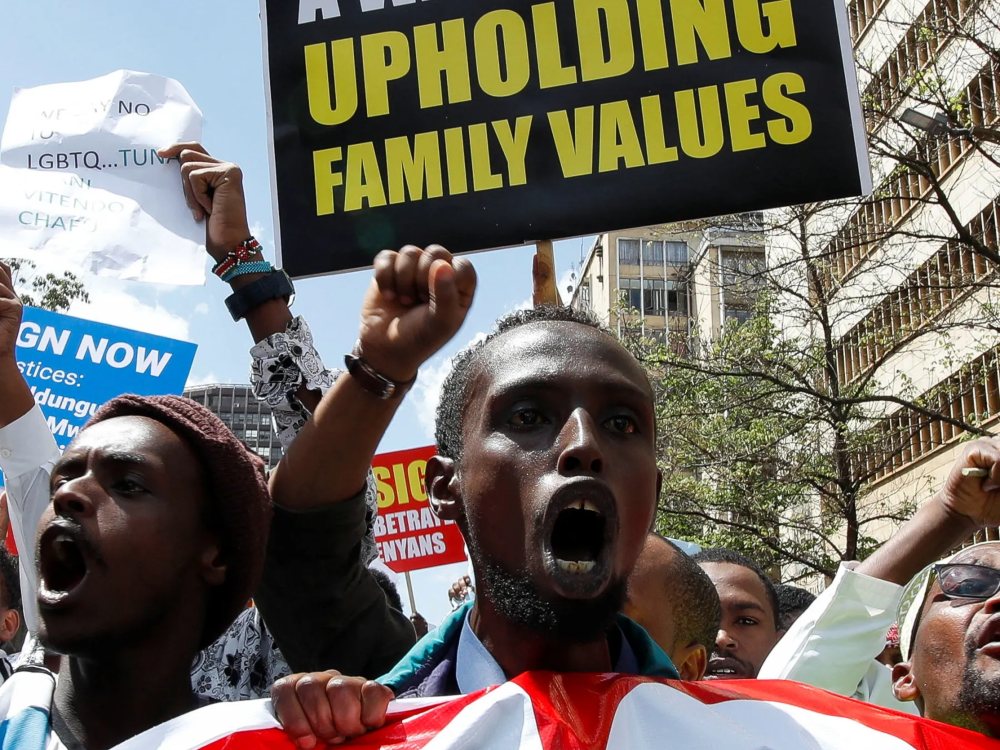
The comments were made in Parliament during a hearing on Ghana’s pending anti-LGBTQ+ bill, formally known as the Human Sexual Rights and Family Values Bill.
MP Sam George criticised international funders, including The Global Fund, which supports the Ghana AIDS Commission’s HIV response.
“Meanwhile, we have evidence of Ghana AIDS commission officers meeting with pro-LGBT groups and giving them lubricant. So if the Ghana Aids Commission is supposed to fight HIV, then why are you giving lubricants for men to have anal sex with men?” George asked Parliament’s Constitutional and Legal Affairs Committee.
“And the excuse that they give… is that these are already people who have HIV, and so they want them not to spread it. That is in itself an activity that continues to perpetuate anal sex between men. So please, we will not open the window for anybody to bring any money for public health or anything. If they really want to fund public health, they should go give maternal beds for women who do not have beds for delivery, not for anything related to this one.”
George is a vocal opponent of LGBTQ+ rights and one of the sponsors of the bill. His comments reflect a regressive and anti-science approach that favours abstinence and criminalisation over proven HIV prevention strategies.
Commission defends evidence-based HIV prevention
In response, the Ghana AIDS Commission issued a statement defending its work and stressing that condoms and lubricants are essential, low-cost tools for reducing the risk of HIV transmission.
“Condoms and lubricants are part of the national and global HIV prevention strategy,” the commission said. “They are used by all categories of people, including sex workers, men who have sex with men (MSM) and other vulnerable communities and the general population.”
The commission rejected claims that these resources are provided only to particular groups.
“It is not true that the Commission supplies condoms and lubricants to only members of key and vulnerable population,” it said, explaining that they are made available across society.
The commission said providing prevention tools to men who have sex with men and other vulnerable communities protects the wider healthcare system.
“By providing condoms and lubricants to men who have sex with men (MSM) and other vulnerable communities, the Commission is protecting the nation’s healthcare system. This is a global standard public health strategy known as ‘Harm Reduction’.”
It also emphasised that access to prevention resources should not be misrepresented as encouragement of particular behaviours.
“Providing access to prevention tools is not about promoting behaviour,” the commission said.
It called on the public “to support evidence-based HIV prevention efforts and engage in informed, proactive conversations that reduce stigma and misinformation.”
Anti-LGBTQ+ bill raises human rights concerns
If passed into law, Ghana’s proposed Human Sexual Rights and Family Values Bill would criminalise identifying as LGBTQ+ or as an ally.
The bill would also target same-sex intimacy and gender-affirming medical services, with penalties of up to three years in prison and fines.
Publishing or distributing materials that advocate for LGBTQ+ equality or affirmation could carry prison sentences of between five and ten years.
The legislation would also disband organisations that support LGBTQ+ rights and ban LGBTQ+ people from adopting children.
Human rights groups have widely criticised the bill, warning that it would further marginalise vulnerable communities and undermine public health work, including HIV prevention efforts.
The Ghana AIDS Commission’s response highlights the growing conflict between evidence-based public health practice and anti-LGBTQ+ political rhetoric, as the country continues to debate legislation that could have serious consequences for LGBTQ+ people and the broader fight against HIV.