








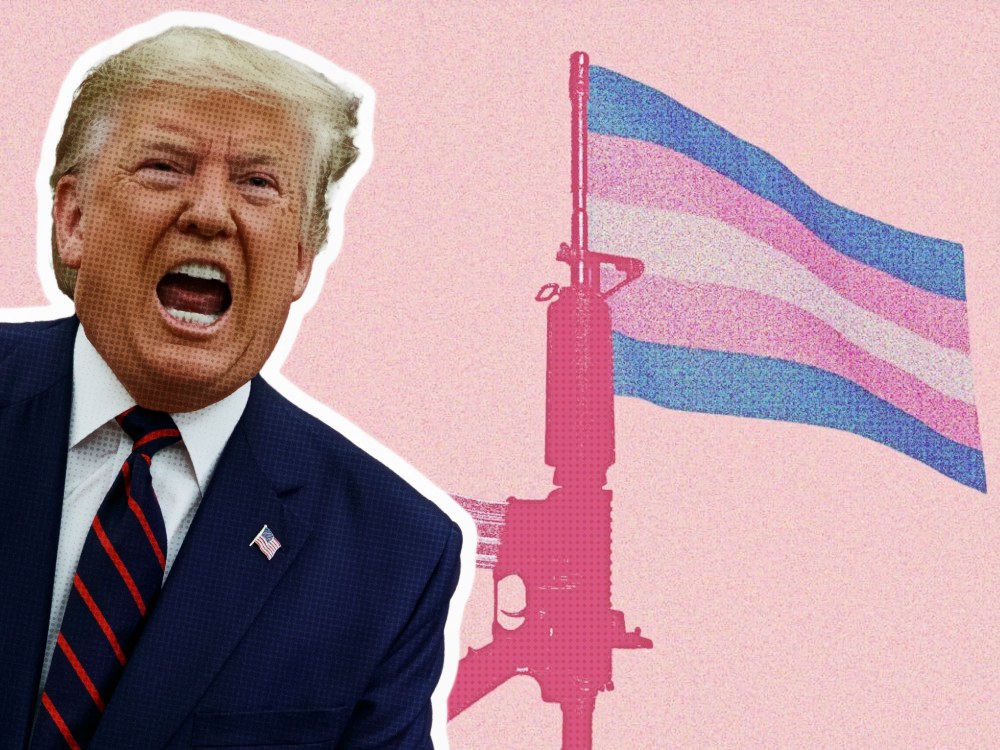
The Trump administration is facing criticism after a new White House counterterrorism directive explicitly listed “radically pro-transgender” groups among the domestic ideologies federal agencies should monitor.
The memo, which also refers to anarchist and anti-fascist movements, frames some forms of trans activism as a potential national security concern. However, critics have noted that it does not mention far-right extremism or white nationalist organisations.
The directive references left-wing violence and cites the 2025 killing of Charlie Kirk. Kirk was killed by Tyler Robinson, a person prosecutors allege had recently begun dating a trans woman and had criticised Kirk’s rhetoric online.
White House counterterrorism official Sebastian Gorka also pointed to school shootings involving alleged transgender perpetrators as part of the justification for increased scrutiny of trans-related activism, according to The Washington Times. However, there is no evidence those individuals were connected to organised political groups.
Critics say the policy dangerously blurs the line between transgender identity, advocacy, and extremism at a time when trans Americans already face high levels of harassment, discrimination, and violence.
Data reviewed by the Gun Violence Archive, along with findings from researchers, has consistently shown that transgender people make up an extremely small fraction of mass shooters in the United States, while the overwhelming majority of perpetrators are cisgender men.
The 16-page strategy memo directs intelligence agencies to focus on groups described as “anti-American, radically pro-transgender, and anarchist”. It also emphasises action against international threats, including cartels and extremist organisations overseas.
However, the absence of any reference to domestic right-wing extremist movements has drawn particular concern.
Advocates warn the directive could further stigmatise transgender people and chill legitimate advocacy, especially as trans communities continue to face escalating political attacks, misinformation, and threats.
The backlash reflects wider fears that federal counterterrorism resources may be used to target marginalised communities rather than address the most persistent sources of political violence.