









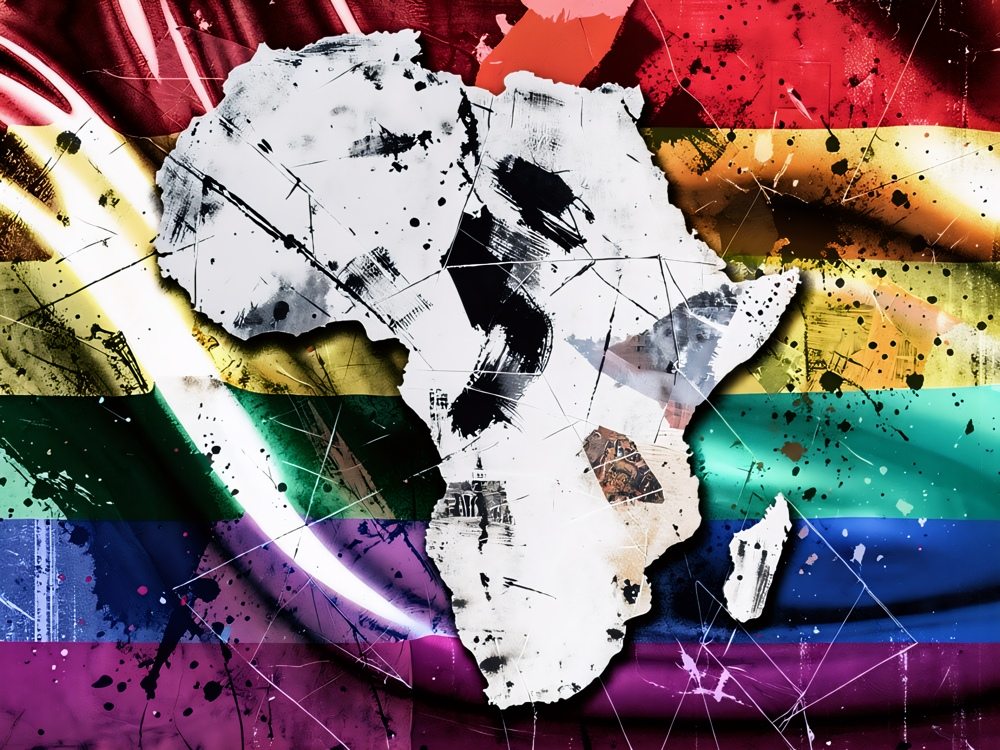
The 4th African Regional Inter-Parliamentary Conference on Family Values and Sovereignty has concluded in Accra, Ghana, after several days of debate over LGBTQ+ rights, sexuality education and the future of human rights protections across Africa.
Hosted by Ghana’s Parliament, the conference brought together parliamentarians, political leaders, traditional authorities, faith-based organisations and civil society representatives from more than 20 African countries.
Supporters described the event as a platform to defend African culture, traditional family structures and national sovereignty from what they called foreign ideological influence.
Critics, however, warned that the conference has become a major platform for promoting anti-LGBTQ+ legislation and rolling back rights connected to gender equality, reproductive health, freedom of expression and bodily autonomy.
Push for Africa-wide “family values” charter
At the centre of the conference was the Draft African Charter on Family Sovereignty and Values, a proposed framework that seeks to define family in a way that excludes same-sex relationships and challenges existing human rights protections linked to sexuality and gender.
According to reports, delegates from 20 African countries endorsed the charter, bringing it closer to possible adoption at national level and potentially within African Union structures.
South Africa and Mozambique declined to support the charter.
Speaking during the conference, South African MP Zandile Majozi said the proposed charter conflicted with South Africa’s Constitution and Bill of Rights.
“South Africa would like to reserve our rights in not adopting the charter because it contradicts the Constitution of South Africa, especially in Chapter Two,” she told delegates.
Majozi, who chairs the Parliamentary Group on International Relations, added that the charter “does not align with the regional and international laws that we believe in.”
Mozambique also withheld support, citing logistical constraints and the need for broader consultation and public engagement before taking a final position.
Conference organisers adopted several recommendations aimed at advancing implementation of the charter, including the creation of national parliamentary caucuses on “Family, Sovereignty and Values” and the establishment of implementation timelines.
Activists warn of coordinated anti-rights agenda
Human rights activists and civil society groups responded to the conference with alarm, accusing organisers of weaponising “family values”, culture and sovereignty to justify discrimination and exclusion.
In a joint statement released at the conclusion of the conference, organisations including CHEVS, IPPF Africa Region, Outright International, GALCK+ and the African LBTIQ Caucus warned that the gathering represented a broader coordinated effort to undermine rights across the continent.
“Across the continent, we are witnessing increasingly coordinated efforts to roll back sexual and reproductive rights, restrict civic spaces, weaken human rights protections, and portray LGBTQI+ people as threats to society rather than as members of our communities,” the statement said.
The groups argued that African families have always been diverse, and that attempts to legally recognise only one type of family risk excluding millions of people from protection and belonging.
They also challenged claims that the conference represented authentic African resistance to foreign influence.
Instead, they pointed to the involvement of well-funded conservative organisations from outside Africa that have supported anti-LGBTQI+ campaigns across the continent.
“For years, well-resourced organisations, advocacy groups and political actors based outside the continent have invested in funding convenings and advancing coordinated campaigns aimed at influencing African laws and policies on gender, sexuality, education and reproductive rights,” the statement said.
“Any serious conversation about foreign influence must therefore account for all sources of influence, including those operating through the family values movement itself.”
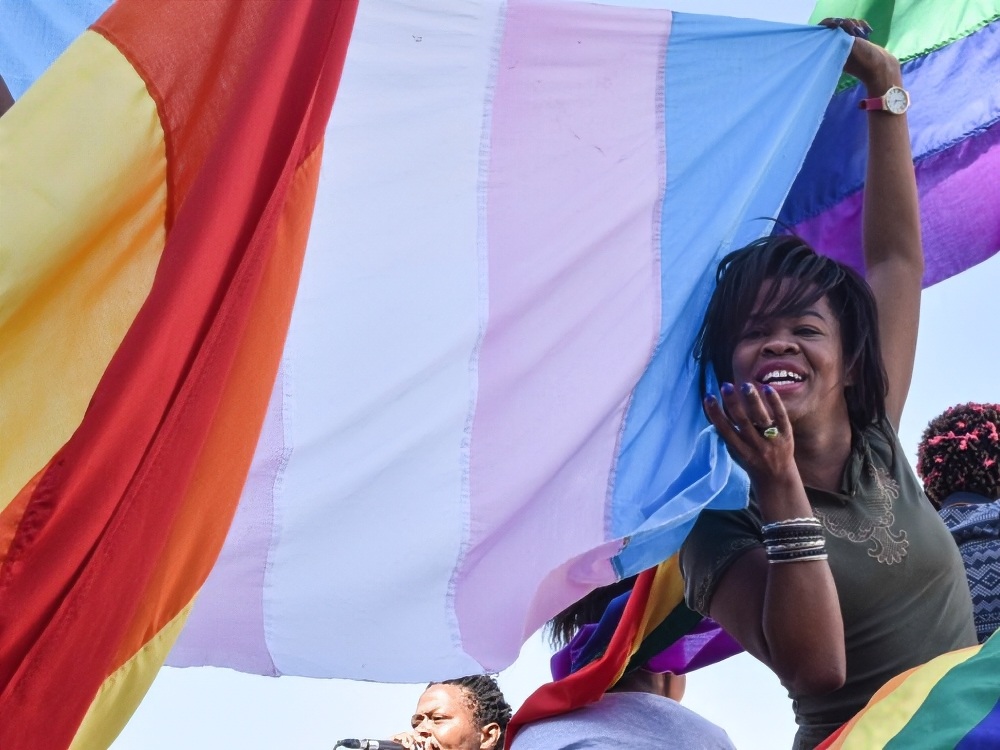
Ghana’s anti-LGBTQ+ bill remains under scrutiny
The conference took place shortly after Ghana’s Parliament passed the controversial Human Sexual Rights and Family Values Bill, widely condemned by critics as one of Africa’s harshest anti-LGBTQ+ legislative proposals.
The bill now awaits a decision from President John Dramani Mahama, with activists urging him not to sign it into law.
The coalition warned that the legislation would deepen stigma, discrimination and fear while diverting attention from urgent national challenges such as unemployment, healthcare and economic hardship.
“The future of Africa cannot be built through exclusion,” the organisations said.
“It must be built through dignity, justice, freedom, care and a recognition that our societies are strongest when every person is able to belong.”