








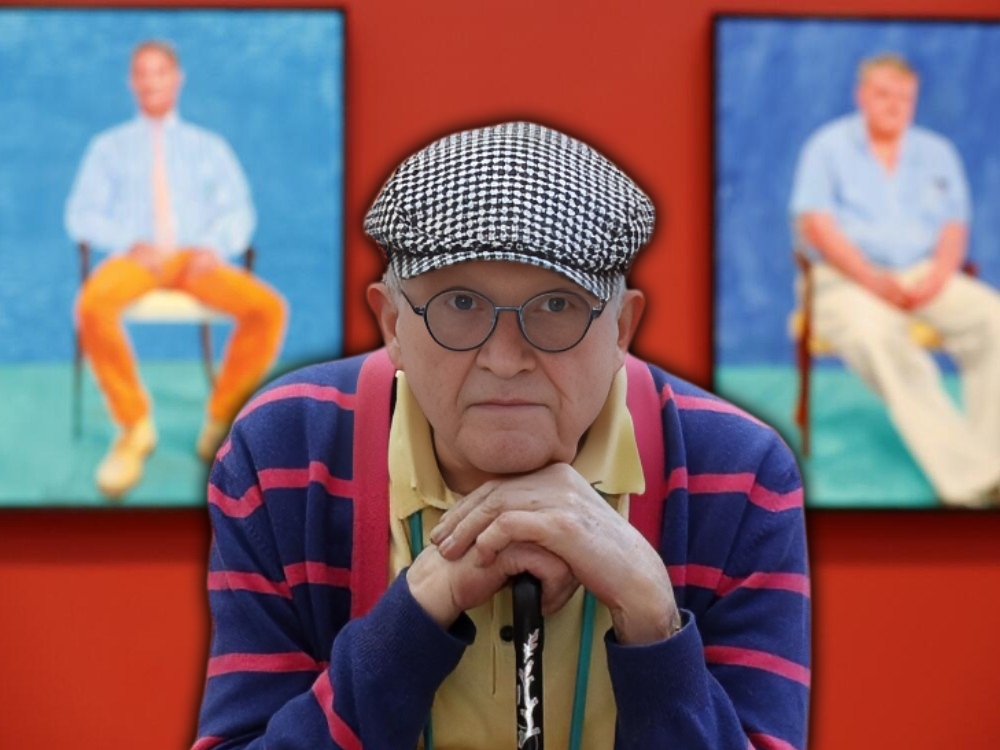
British artist David Hockney has died aged 88, leaving behind a groundbreaking body of work that depicted gay life with rare openness in a Britain where homosexuality remained a criminal offence until 1967. His death was reported on 12 June 2026, with tributes recognising him as one of the most influential British artists of the 20th and 21st centuries.
Born in Bradford in 1937, Hockney rose to prominence as part of the 1960s pop art movement, before building a six-decade career that refused to be confined to one style, medium or place.
His early work challenged conservative social attitudes, including paintings that portrayed queer desire and intimacy at a time when such openness carried real personal and legal risk.
Hockney later became closely associated with sunlit California imagery, particularly the swimming pool scenes that helped define a Los Angeles visual aesthetic.
Works such as A Bigger Splash and Portrait of an Artist (Pool With Two Figures) captured love, lust, longing and loss under bright skies, while cementing Hockney’s place in popular visual culture.
Early life and defiant work
Hockney was the fourth of five children in what he described as a “radical working-class family”.
After studying at Bradford College of Art, he sold his first painting, a portrait of his father, for £10 at the Yorkshire Artists Exhibition in 1957.
A conscientious objector, he completed two years of national service as a hospital orderly before enrolling at London’s Royal College of Art in 1959.
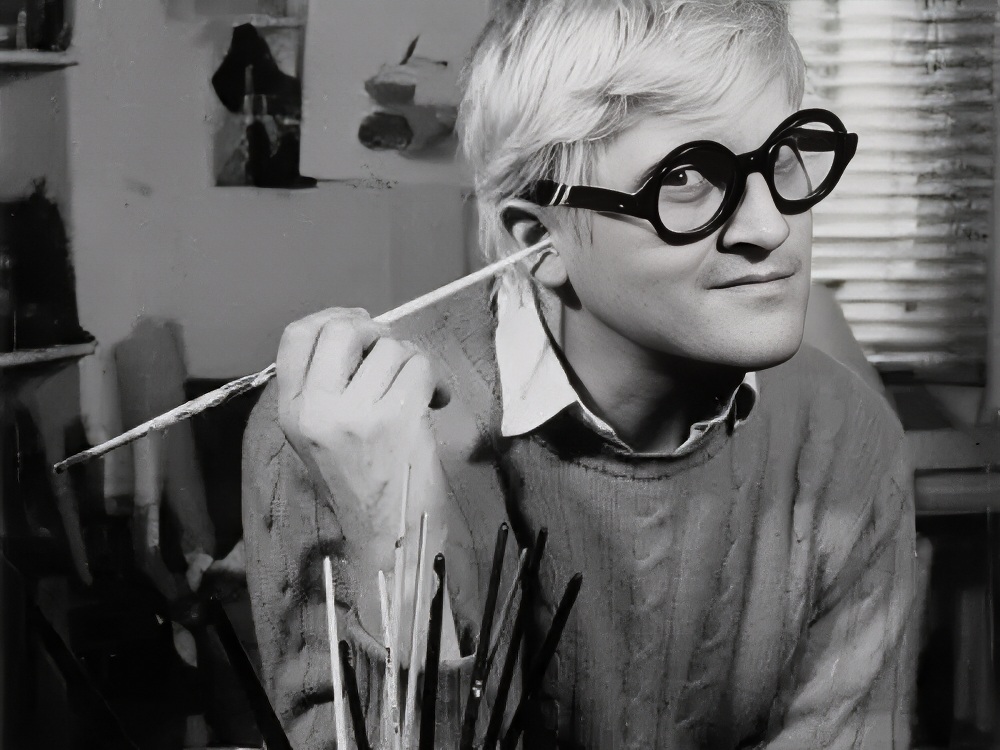
There, he developed a reputation for challenging convention, including pushing back against the school’s graduation requirements.
His refusal to accept easy boundaries became a defining feature of both his life and art.
Records, innovation and personal loss
After moving to Los Angeles in the mid-1960s, Hockney’s work gained acclaim on both sides of the Atlantic. His pool paintings, portraits and vivid studies of friends and lovers made him one of the most recognisable artists of his generation.
In November 2018, his 1972 painting Portrait of an Artist (Pool With Two Figures) sold for US$90.3 million at Christie’s, setting a world record for a living artist at the time.
Hockney continued working after a stroke in 2012 that temporarily affected his speech.
He also remained fascinated by new ways of making images, moving from painting and drawing into photo-collage “joiners”, digital drawing, iPad works and other technologies.
In a 2013 Interview magazine conversation, he said: “I’m really only interested in technology that is about pictures,” adding, “I’m interested in anything that makes a picture.”
For queer audiences, Hockney’s legacy is especially significant. Long before LGBTQ+ lives were widely represented in mainstream art, he painted desire, domesticity, beauty and heartbreak without apology.
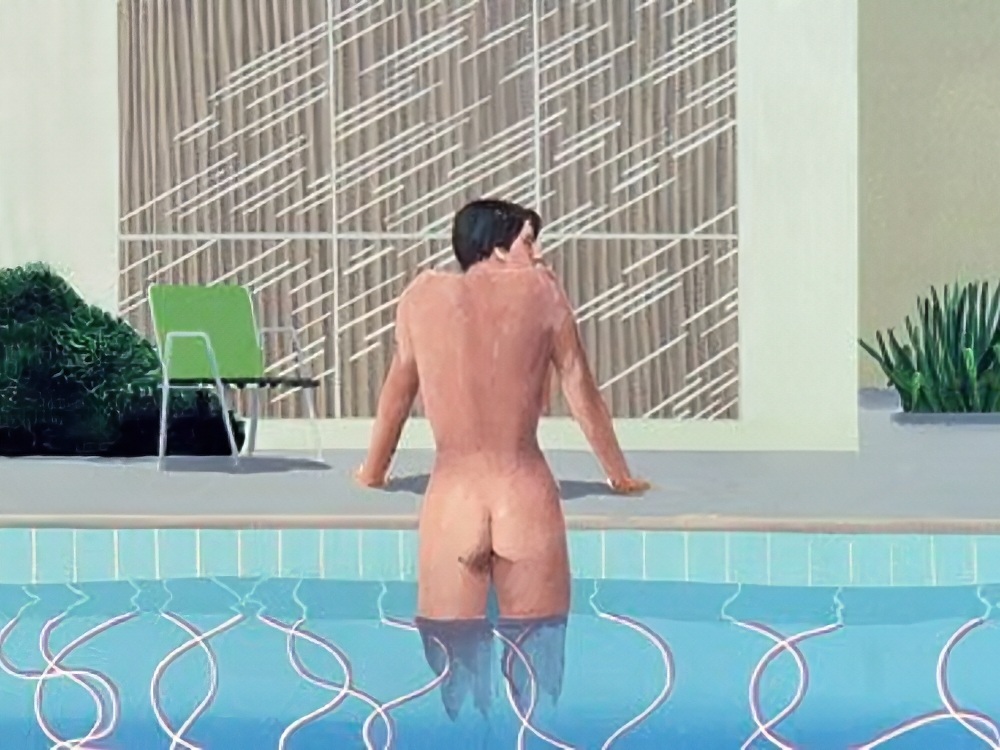
At a time when many queer people were forced into silence, Hockney made visibility part of the canvas.
His work did not simply document gay life. It insisted that queer love, bodies and longing belonged in the history of art.