










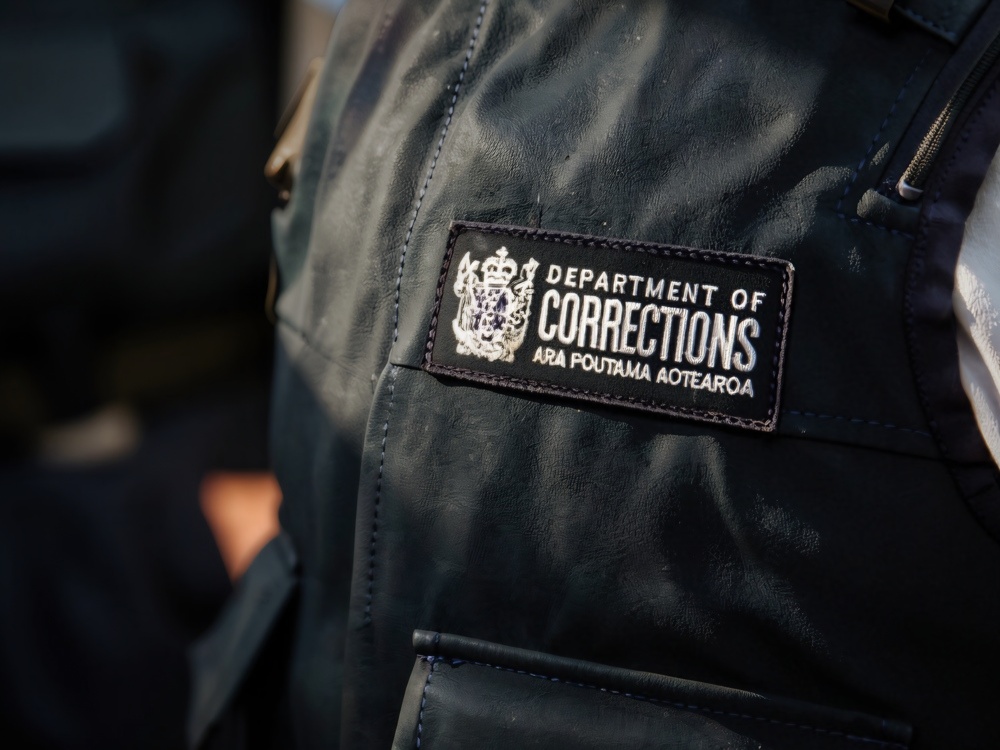

The Department of Corrections has settled a Human Rights Act claim brought by a transgender employee who alleged he was prevented from carrying out prisoner searches in a way that recognised his gender.
The employee, known as Adam because of a non-publication order, filed proceedings with the Human Rights Review Tribunal in 2024.
He claimed Corrections had discriminated against him on the basis of sex by stopping him from conducting prisoner searches in a manner consistent with his gender.
Under the terms of the settlement, Corrections has apologised for Adam being unable to carry out searches aligned with his gender. The department has also agreed to introduce training programmes and pay him confidential compensation.
Adam was represented by Principal Solicitor Nicole Browne of the Office of Human Rights Proceedings.
“It has been a privilege to represent Adam and affirm transgender rights under the Human Rights Act 1993,” Browne said.
“Dignity is a central human rights value. In my view, any denial of a transgender person’s identity is also an infringement on their dignity.”
Adam said the way he was treated had a significant effect on both his wellbeing and his employment.
“Being treated differently because I am transgender has had a huge impact on me and my employment,” he said.
“I am proud of myself for standing up for my rights. One of the main reasons I brought this case was to show that the transgender community deserves protection and respect.
“I just want to be able to exist like any other man. I hope this settlement makes a difference for other transgender people and I am looking forward to putting this process behind me.”
The Office of Human Rights Proceedings said neither Adam nor Browne would be available for further comment because of the terms of the settlement.
The Department of Corrections has also been approached for comment.
Claims of workplace discrimination
He also said he faced continued uncertainty over which duties he was permitted to carry out because of his gender identity.
Adam told the publication he had been reluctant to come out at work because he believed Corrections was “not a very inclusive environment”.
After coming out, he said he felt a sense of relief at no longer concealing who he was.
“I no longer had to put on a mask. It’s really hard work, trying to be someone that you’re not.”
However, Adam alleged that the treatment he received from colleagues eventually made attending work increasingly difficult.
“I got to a stage where I knew every day I stepped in there, I was going to get picked on,” he said.
He said his decision to bring the case was ultimately about being recognised and treated fairly in his workplace.
He “just wanted to do my job”.
The settlement brings the legal proceedings to an end and includes commitments intended to improve understanding of transgender rights within Corrections.
For Adam, the outcome represents both personal recognition and the hope that other transgender employees will be treated with greater dignity and respect in the future.