










Gareth Watkins revisits three August milestones in Aotearoa’s queer history, from a 1919 court case to Carmen Rupe’s Cuba Street tribute.
16 August 1919
The Evening Post reported the arrest in Auckland of a young person who had been living under the name Ada Reeve – the name of a well-known English comedian who had performed in New Zealand the previous year. Under the headline “Accomplished rascal in girl’s clothes”, the newspaper described how police became suspicious of a youth “clothed in well-made female attire”, whose belongings included jewellery resembling items stolen from nearby houses. The teenager was later identified as having previously been arrested for thefts at Weraroa Training Farm, a state institution for boys near Levin, and as having escaped from custody in Wellington. During the court appearance, officials suggested that “a good birching” might cure the youth’s “romantic ideas”. The magistrate declined, but warned that such punishment would follow if they appeared before the court again.
26 August 1985
Television news reported that a Homosexuals Anonymous group had been established in Auckland to try to convert homosexual people to heterosexuality. Founded in the United States in 1980, Homosexuals Anonymous was a Christian conversion ministry that offered a multi-step programme intended to “heal” homosexuality through faith. During the parliamentary debate on homosexual law reform, MP Graeme Lee praised what he described as “the formation of internationally acclaimed bodies such as Homosexuals Anonymous and the Exodus Organisation that will help the homosexuals of this country”. One Aucklander, who tried several conversion practices, later reflected that the experiences helped him realise that “being gay is just who you are. It’s not something you can get rid of. It’s not something you can find healing from. It’s just part of your essence of who you are”. In 2022, conversion practices intended to change or suppress a person’s sexual orientation, gender identity or gender expression became unlawful in New Zealand.
8 August 2016
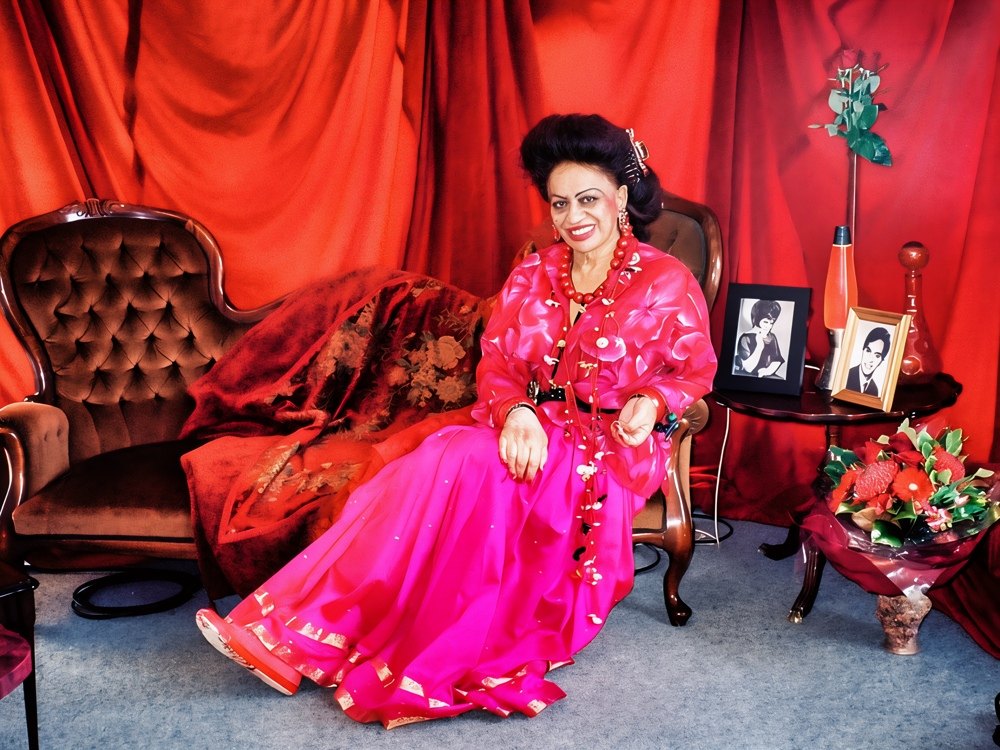
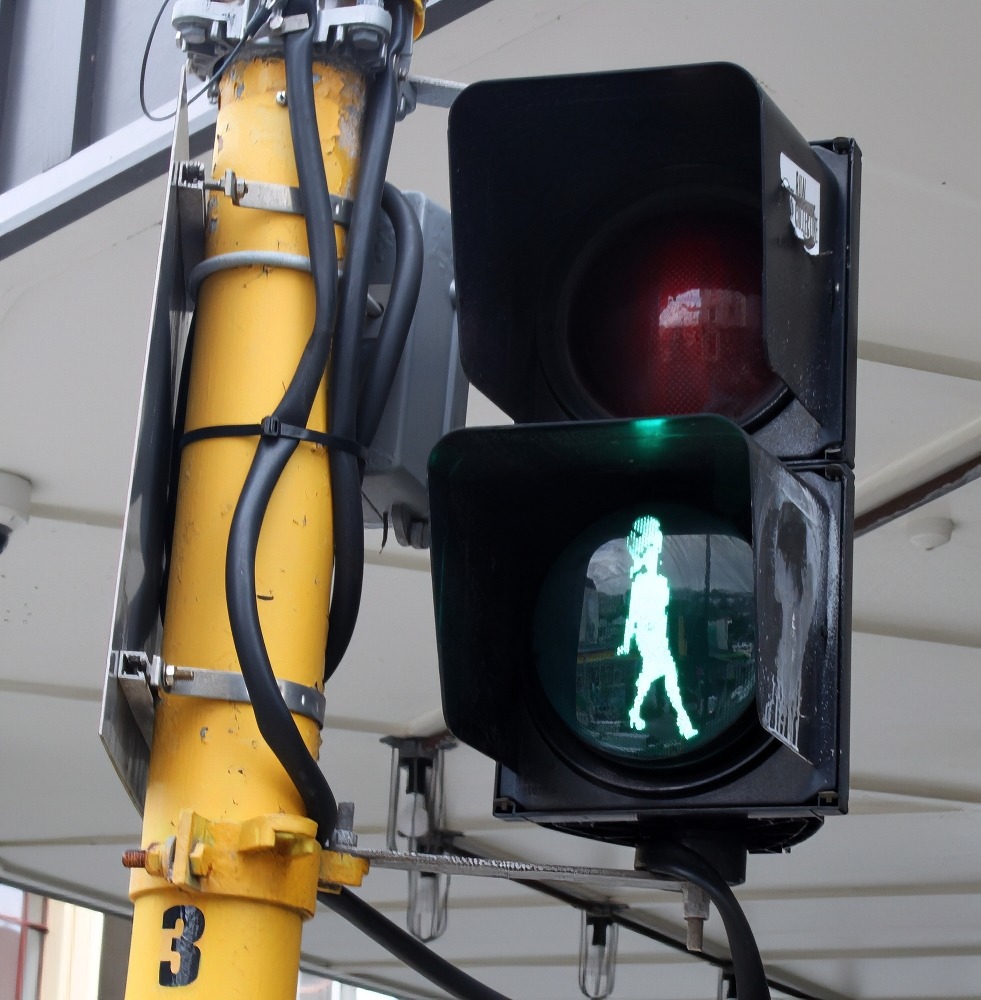
The late Carmen Rupe was honoured by Wellington City Council through the installation of green pedestrian crossing lights bearing her silhouette at four intersections along Cuba Street. At the launch event, Mayor Celia Wade-Brown described Carmen as “larger than life and never to be forgotten”. She recalled the progressive platform Carmen promoted when she stood for mayor of Wellington in 1977, which included sex education in schools and the decriminalisation of abortion, homosexuality and sex work – all forward-thinking policies for the time. Carmen’s friend Dana de Milo reminded those gathered not to sanitise her history. Sex work, she said, was central to how Carmen built her businesses and public identity. Dana imagined Carmen joking that she should have been depicted as “the red light girl”. Wellington Central MP Grant Robertson said the pedestrian lights celebrated Carmen’s spirit of inclusion, while warning that transgender people continued to face barriers involving safety and access to healthcare.
Heritage Spotlight
Papers Past is the National Library of New Zealand’s free online research website. It contains millions of digitised pages from New Zealand and the Pacific, including newspapers, magazines and journals, letters and diaries, parliamentary papers and books. For anyone researching rainbow histories, Papers Past can be an extraordinary starting point. Its newspaper section includes nearly 200 titles and reveals how sexuality and gender diversity have been reported, debated, sensationalised and, increasingly, celebrated over time. The Press is especially notable, with more than nine million articles online and digitised issues spanning from 1861 to 1995. Its coverage includes early attempts at law reform, the emergence of AIDS, homosexual law reform and the campaign to include sexual orientation in the Human Rights Act. Explore the collections at paperspast.natlib.govt.nz