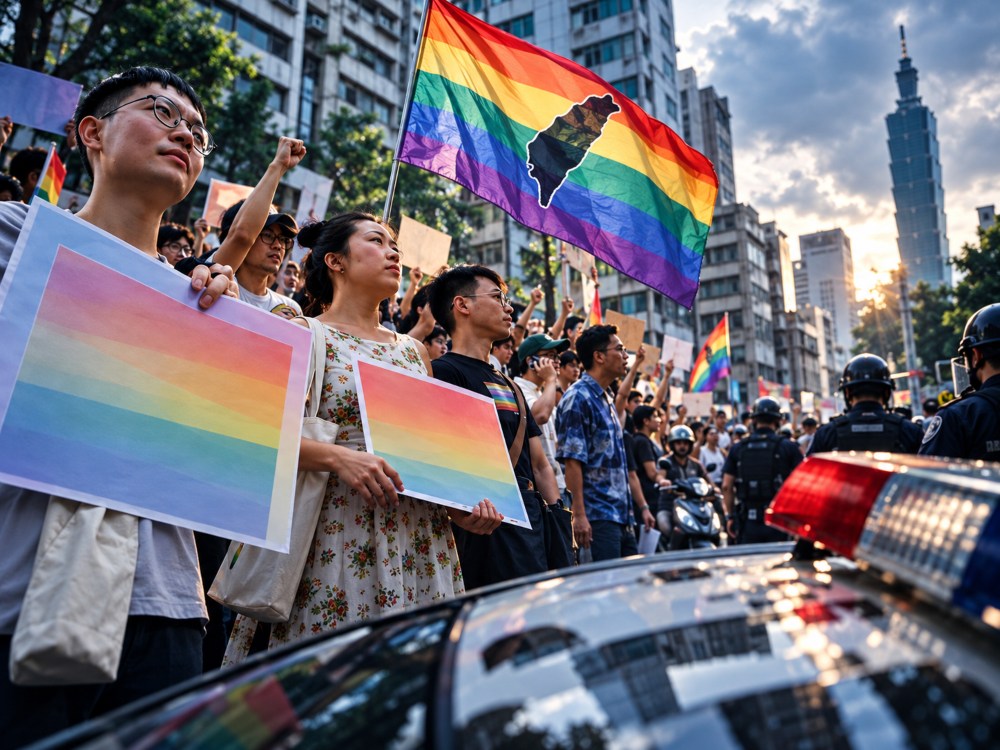










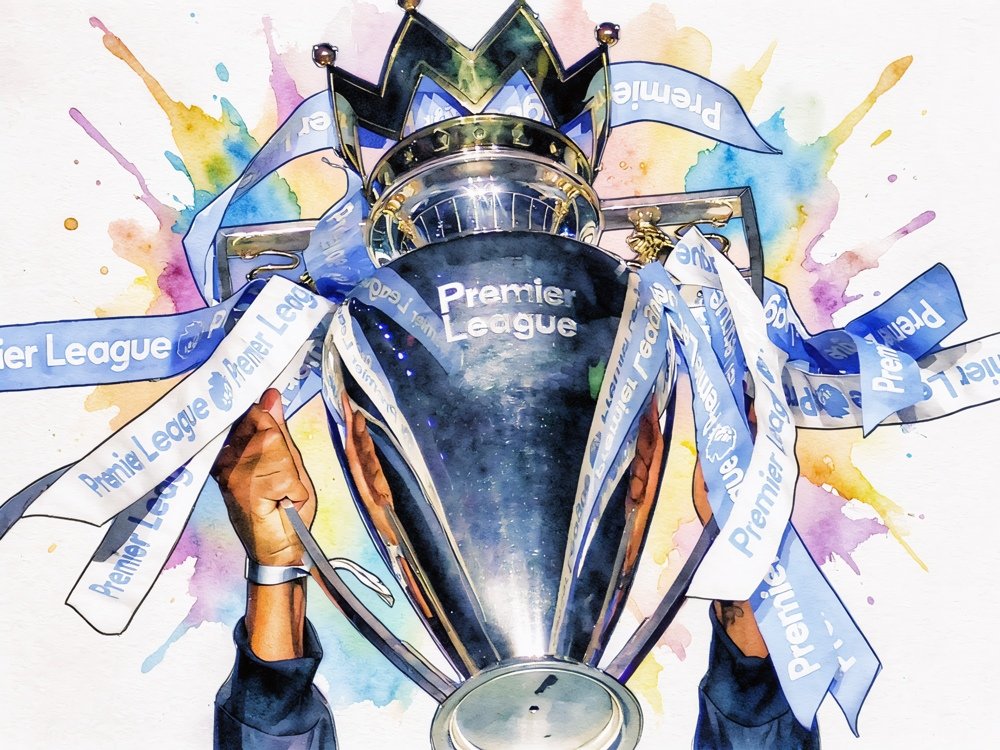

Reports of homophobic incidents were linked to almost 15% of Premier League matches during the 2025–26 season, prompting LGBTQ+ football supporters to demand stronger action from clubs and governing bodies.
New figures from the UK Home Office show that hate incidents related to sexual orientation were reported at 56 of the league’s 380 matches — or 14.7%.
That was seven more matches than during the 2024–25 campaign, when reports were recorded at 49 fixtures. The proportion therefore rose by 1.8 percentage points, from 12.9 to 14.7%.
Pride in Football, the UK network representing more than 50 LGBTQ+ supporter groups, said the increase demonstrated how much work remained before queer fans could attend matches without fearing abuse.
The Premier League said progress was being made through its new Premier League With Pride initiative, but acknowledged that discrimination in stadiums and online required continued action.
Reports Do Not Equal Proven Offences
The Home Office statistics record the number of matches at which at least one incident was reported, rather than the total number of individual incidents.
Several incidents may occur during a single fixture, while a report does not necessarily result in an arrest, prosecution or disciplinary charge.
Reports are submitted by police dedicated football officers. When an officer is not present, information may be gathered from organisations including the Football Association and anti-discrimination charity Kick It Out.
The figures should therefore be read as an indication of the frequency with which reported abuse is associated with matches — not as a count of people responsible or cases ultimately proven.
Across football in England and Wales, hate incidents were reported in connection with 491 matches during the season. Of those, 356 involved race, 144 sexual orientation, 28 religion, 14 disability and three gender identity.
Chelsea and Brighton Matches Recorded Most Reports
Matches involving Chelsea had the highest frequency of reported homophobia among Premier League clubs.
Reports were associated with 25 of Chelsea’s 49 domestic fixtures, meaning more than half of the club’s league and domestic cup matches were affected.
Brighton and Hove Albion followed, with reports linked to 13 matches. That represented a decrease from the 17 Brighton fixtures recorded during the previous season.
Those figures do not necessarily mean Chelsea or Brighton supporters were responsible.
Fans of both clubs have frequently been targeted by homophobic chanting from sections of opposing support. In some previous cases, individuals have been arrested, prosecuted or banned from stadiums.
Chelsea and Brighton fixtures accounted for 30 of the 56 Premier League matches at which homophobia was reported during the 2025–26 campaign. The league operates an observer programme at every match and provides tailored steward briefings ahead of fixtures involving the two clubs.
Everton matches had the third-highest Premier League total, with nine affected fixtures.
Reports were also associated with nine Manchester City matches across domestic competitions — six in the Premier League and three cup ties.
Every Premier League team was connected with at least one match at which homophobia was reported during the season.
Leeds Promised Bans After Brighton Chanting
One prominent incident occurred during Brighton’s 1–0 defeat at Leeds United in May.
Leeds acknowledged that homophobic chanting had taken place at Elland Road and promised lengthy stadium bans for any supporters identified as participating.
The club said it had installed additional cameras in the stands and reiterated that discriminatory behaviour had no place in football.
Leeds had warned supporters about homophobic language before the match. A similar incident during a fixture against Brighton in March 2023 resulted in the club receiving a £150,000 fine and being placed under an FA action plan.
Earlier in the 2025–26 season, members of Leeds’ official LGBTQ+ supporters group, Marching Out Together, said they had themselves been subjected to gay slurs by another supporter while attending an away match against Brighton.
LGBTQ+ Fans Are “On the Front Line”
Pride in Football co-chair Rishi Madlani said the annual increase showed that homophobic abuse remained a regular part of attending matches for many LGBTQ+ supporters.
“A rise in the number of Premier League fixtures at which homophobic incidents were reported shows how far football still has to go to make LGBTQ+ supporters feel safe,” Madlani said.
“When this type of abuse is being reported at nearly 15% of top-flight matches, it’s a reminder that this is still a weekly reality for many fans.
“Pride in Football — and the 50-plus LGBTQ+ supporter groups we represent — are on the front line of this. Our members are the ones supporting fans in the stands, challenging discriminatory behaviour, and working directly with clubs to build a genuinely inclusive culture.
“We’re encouraged that more incidents are being reported, but reporting must lead to meaningful action. Football has the structures to tackle this; it now needs the commitment. Our network will keep pushing until every LGBTQ+ fan can go to a game without fearing abuse.”
An increase in recorded incidents may partly reflect greater awareness and better reporting systems. However, research has consistently suggested that much anti-LGBTQ+ abuse is never formally reported.
A survey of almost 200 LGBTQ+ football fans found that 74% had experienced or heard homophobia or transphobia while watching the sport. Fewer than one-quarter of those respondents said they had reported what happened.
Premier League Points to New Pride Initiative
The Premier League launched Premier League With Pride in February after ending its participation in Stonewall’s long-running Rainbow Laces campaign.
The league said the new programme had been developed in consultation with clubs, LGBTQ+ supporter groups and other stakeholders.
It is built around three themes: education, celebration and action. Its work includes LGBTQ+ educational resources, dedicated match rounds, support for supporter groups, strengthened reporting processes and measures addressing discrimination in stadiums and online.
“We want everyone involved in football to feel welcome, supported and comfortable being themselves,” a Premier League spokesperson said.
“This year, the Premier League launched Premier League With Pride, an initiative which brings together the ongoing LGBTQ+ work the League and our clubs carry out to help deliver long-term change.
“The initiative focuses on embedding the three core themes of education, celebration and action. While progress is being made, we will continue to take action against discrimination both in stadiums and online.”
One visible difference from Rainbow Laces was the absence of Pride-themed captain’s armbands.
Captains instead wore the standard Premier League armband throughout the season, while the Pride activation used items including substitution boards, pitch-side displays, ball plinths, flags and badges.
The change placed greater emphasis on club programmes and supporters, but resulted in fewer highly visible moments involving players.
Online Football Abuse Rose by 73%
The increase was not limited to stadiums.
The Home Office recorded 405 cases of online hate and abuse connected with football during the 2025–26 domestic season, compared with 234 the previous year — an increase of approximately 73%.
Of the 405 recorded cases, 387 related to men’s football and 18 to women’s football.
The category includes potentially criminal online content related to race, nationality, disability, sexual orientation, religion, transgender identity, tragedy chanting and other forms of harassment.
To be included, an incident must have a clear connection with football, be reported to a relevant organisation and pass threshold assessments conducted by the UK Football Policing Unit.
Online cases connected with the 2026 FIFA World Cup had not yet been included in the domestic-season figures, meaning the eventual total for the wider reporting period may be higher.
Reports Fell Across the EFL
In the English Football League, sexual-orientation-related incidents were reported at 54 matches across the Championship, League One, League Two and domestic cup competitions.
That was a decrease from 70 matches during the previous season.
Queens Park Rangers had the highest EFL total, with reports linked to seven matches — six Championship fixtures and one cup tie. Watford followed with reports at five league matches.
The EFL has continued its February Rainbow Ball campaign in partnership with Puma, Football v Homophobia and the Football Supporters’ Association’s Fans for Diversity programme.
Reports of transphobia were separately recorded at two men’s National League matches and one FA Cup fixture.
Reporting Must Be Followed by Action
The figures illustrate a complicated picture.
More reports can indicate that supporters have greater confidence in speaking out and that clubs, police and football organisations have improved their systems for recording discrimination.
However, a third consecutive season of homophobia being reported at a significant proportion of Premier League fixtures suggests the abuse itself remains deeply embedded in football culture.
For LGBTQ+ fans, reporting an incident is only the first step.
Pride in Football argues that reports must be followed by investigations, meaningful sanctions, better education and visible support from clubs, players and governing bodies.
Until that happens consistently, the network says many LGBTQ+ supporters will continue to feel that they — rather than football’s most powerful institutions — are carrying the burden of challenging discrimination.