









YOUR EX’s Matt Fistonich Discovers Fire Island Pines, Manhattan Bars, and Brooklyn After Dark
From the beautiful isolation of Fire Island Pines to the bars of Manhattan and Brooklyn’s queer dance floors, YOUR EX’s Matt Fistonich discovers that New York offers an LGBTQ+ holiday that moves effortlessly between barefoot relaxation and full-volume nightlife.
New York has always promised reinvention. It is a city where you can arrive as one person, disappear into its energy and return home feeling slightly more yourself. But for LGBTQ+ travellers, some of its most memorable experiences lie beyond Manhattan’s familiar skyline.
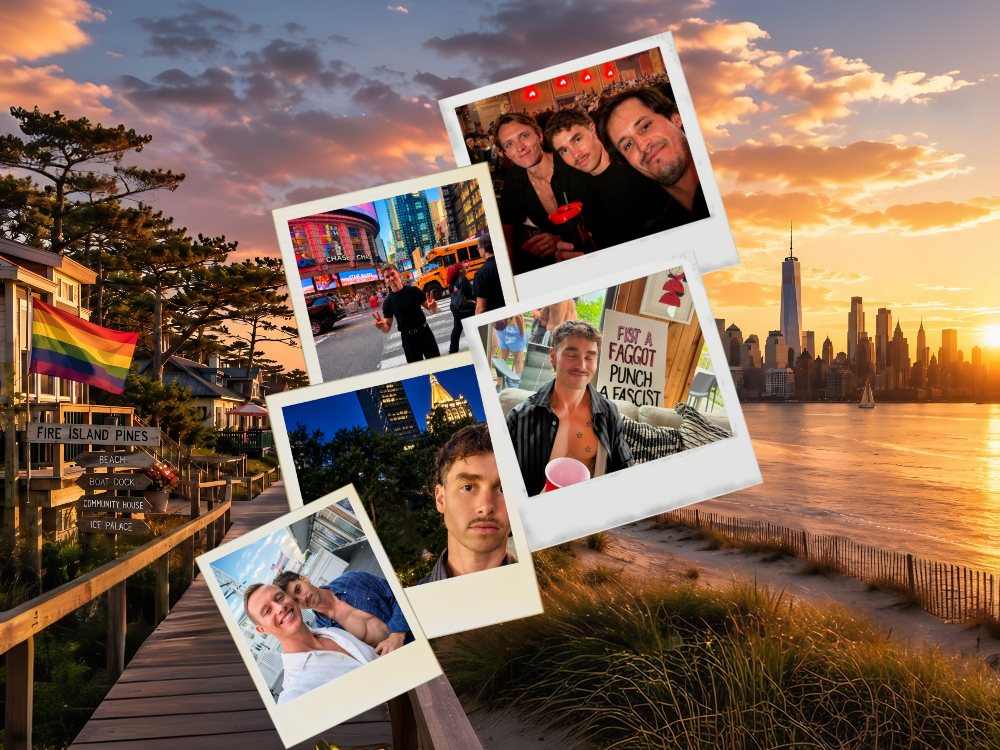
Our trip began at Fire Island Pines, a predominantly gay enclave on Fire Island, just off the southern coast of Long Island. Reaching it from Manhattan involves taking the Long Island Rail Road to Sayville, transferring to the ferry terminal and crossing the Great South Bay. The journey takes around two-and-a-half hours from central New York, but the moment the ferry pulls away, city life begins to feel wonderfully distant.
An Island of Our Own
Arriving at Fire Island Pines feels like gaining access to an exclusive queer world.
Cars are virtually absent, with wooden boardwalks replacing roads and people moving between houses, beaches and the harbour on foot. The skyline is made up of trees, dunes and striking holiday homes rather than skyscrapers. The absence of traffic creates a kind of instant intimacy. You hear conversations, music drifting from decks and the rumble of wheeled carts being pulled towards another party.
Days begin gently. There are long mornings beside private pools, afternoons on the sweeping Atlantic beach and seemingly spontaneous gatherings that can turn a quiet drink into a fully fledged house party. Swimwear is practically formal attire, while invitations and introductions become the island’s most valuable currency.
The house-party culture is central to the Pines experience. Groups rent large homes together, inviting friends and neighbours over for drinks, barbecues and dancing beside the pool. Some gatherings feel casual and communal; others appear to have been planned with the precision of a major event, complete with DJs, lighting and crowds spilling across multi-level decks.
Then there are the beach parties. Music, drinks and groups of beautiful strangers transform stretches of sand into open-air celebrations, with the Atlantic providing a spectacular backdrop. The mood is sexy and social, but the island’s seclusion gives everything a sense of freedom that is increasingly difficult to find elsewhere.
Fire Island has been an LGBTQ+ refuge for generations. At a time when queer people could not dance or socialise openly in many mainland venues, the Pines and neighbouring Cherry Grove offered space to gather, form chosen families and live with fewer restrictions. That history remains present beneath the glamorous houses and barely-there swimwear.
Serving Tea
Eventually, almost everyone gravitates towards the Waterfront, the compact social centre beside the ferry dock. This is where the Pines’ famous progressive sequence of parties takes over.
Low Tea begins at the Blue Whale, the waterfront venue where the original Tea Dance tradition was established in 1966. Running from late afternoon, it is the first major gathering of the day: drinks in hand, music building and the decks filling as beachgoers and house-party guests converge beside the harbour.
On Fridays and Saturdays, Middle Tea begins at 6pm at the Tryst Pool Club, adding dancers, DJs and poolside chaos to the procession. From 7pm, High Tea takes over the Pavilion, where the music becomes louder, the crowd tighter and the afternoon’s socialising evolves into a proper night out. The Pavilion continues later on selected nights with major DJs and visiting party brands.
Although their names sound charmingly civilised, the three Teas have little in common with delicate cups, cucumber sandwiches or restrained conversation. They form an escalating queer party crawl: Low Tea for mingling, Middle Tea for mischief and High Tea for dancing.
Watching the crowd flow between them is part of the fun. Friends reunite, strangers are folded into groups and plans for the evening are made, abandoned and reinvented. By High Tea, the Waterfront feels like the centre of the gay universe.
Back to the Big City
Returning to Manhattan brings a dramatic shift in scale, but not a shortage of queer nightlife.
Boxers remains an easy place to begin. The gay sports bar now operates two Manhattan locations: its flagship Chelsea venue at 37 West 20th Street and another in Hell’s Kitchen at 735 Ninth Avenue. The Chelsea branch is an easy walk from Hotel Seville NoMad, while the Hell’s Kitchen location adds a rooftop cantina to its mix of screens, bar food, events and nightlife.
Both deliver Boxers’ familiar combination of outgoing bartenders, go-go boys, happy-hour energy and a crowd that can shift from after-work drinks to dancing as the evening progresses. Despite the sports-bar branding, nobody needs to know the score to feel welcome.
For a darker and more club-focused atmosphere, The Eagle remains one of Manhattan’s essential gay institutions. Its sprawling Chelsea home includes multiple levels, outdoor spaces and a large dance floor that turns the venue into one of the city’s best options when you want pounding music and a late finish. Its leather heritage remains visible, but the crowd encompasses an expansive mix of ages, bodies and personal styles.
Over in Hell’s Kitchen, HUSH offers its own distinct energy. Craft cocktails, drag performances and club nights share the space with some of New York’s most enthusiastic go-go boys, including dancers performing on the bar downstairs. It feels playful, flirtatious and polished without becoming overly precious.
Brooklyn After Dark
Manhattan could easily fill every night of a holiday, but limiting yourself to one borough would mean missing an important part of contemporary queer New York.
A relatively short subway journey takes you into Williamsburg, where an evening can begin with cocktails at Mr. Melo. Hidden behind an understated entrance on Withers Street, this stylish listening bar pairs expertly made drinks with vinyl-focused music and Mediterranean-inspired food.
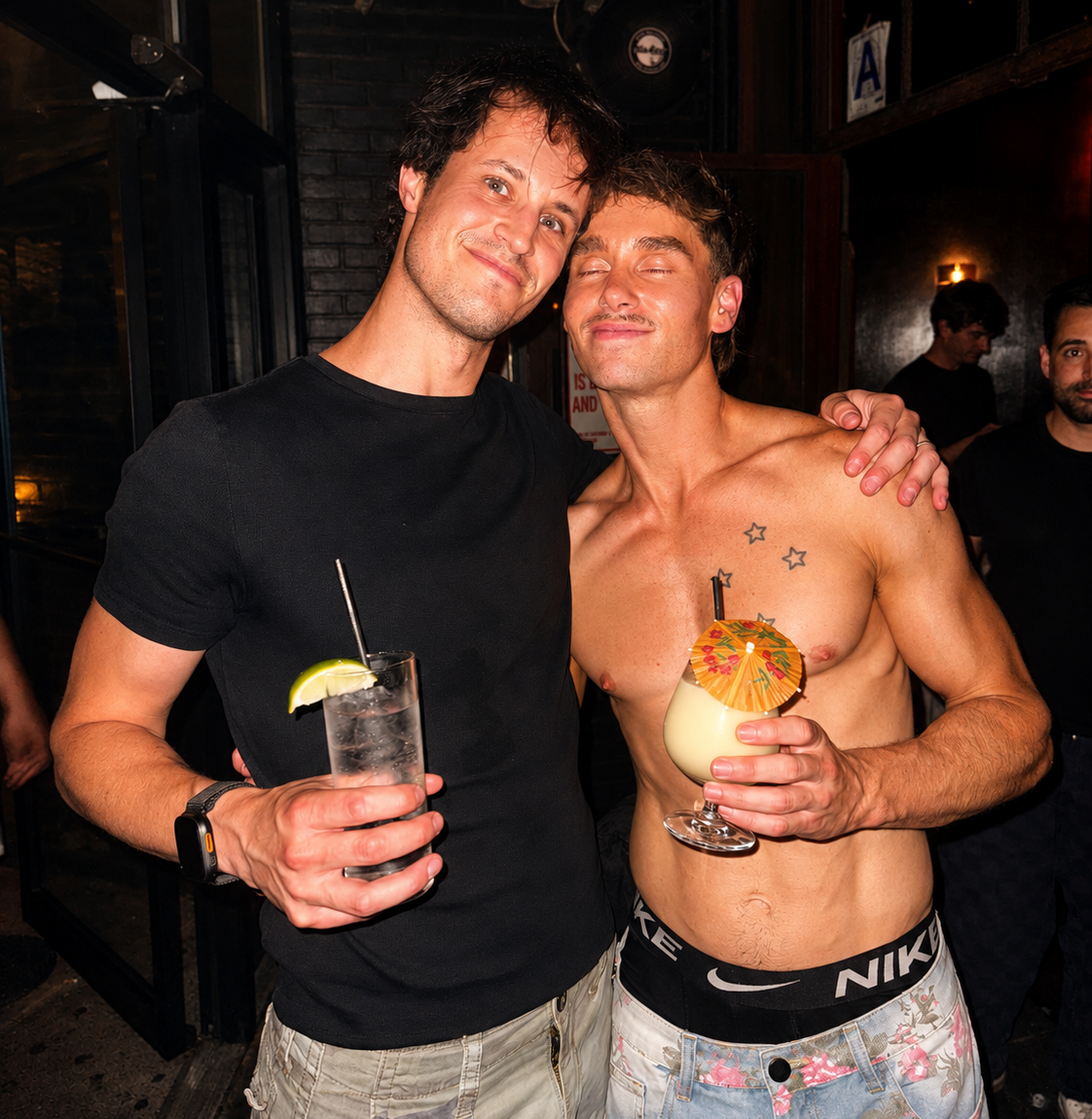
It is intimate enough for conversation but still possesses that particular Brooklyn quality of making everyone inside look as though they have just finished a photoshoot. DJs and guest selectors provide the soundtrack, but the music enhances rather than overwhelms the room.
From there, head to ANIMAL, the queer bar and nightclub on Meeker Avenue. Welcoming the full spectrum of the community, ANIMAL combines bar energy with a dance-floor atmosphere and a rotating programme of DJs, parties and queer events.
Its Brooklyn crowd feels slightly less predictable than some of Manhattan’s venues, bringing together club kids, neighbourhood regulars and visitors looking for somewhere to get properly lost in the music. It is an ideal final stop after the more refined cocktails of Mr. Melo.
Where to Stay: Hotel Seville NoMad
For this trip, Hotel Seville NoMad provided an ideal Manhattan base.
Formerly The James New York NoMad, the historic 1903 Beaux-Arts property has emerged from an extensive multi-million-dollar renovation and rebrand as part of Hyatt’s Unbound Collection. Its refreshed interiors balance the building’s history with contemporary rooms, upgraded public areas and a sophisticated new lobby lounge called Il Bar.
The bar area immediately sets the tone. Rather than feeling like a place guests simply pass through on the way to the lifts, Il Bar encourages you to stop, order a drink and settle into the energy of the room. Its residential-style seating and softly glamorous design make it equally suited to a pre-dinner cocktail, an informal meeting or one final nightcap.
The renovated gym is also impressively spacious by Manhattan hotel standards, with Peloton bikes and up-to-date Precor cardio and strength equipment. That becomes particularly useful after several nights of cocktails, pizza and questionable decisions.
Most importantly, the location makes the entire city accessible. NoMad sits close to the Empire State Building, Madison Square Park, Flatiron and multiple subway lines, while Chelsea, Midtown and the restaurants of Koreatown are all within comfortable reach.
The staff we encountered were exceptionally friendly, inclusive and eager to help, creating the kind of welcome LGBTQ+ guests hope to find but should never take for granted.
Our gorgeous king corner room was high on the 14th floor, where windows opened the room to breathtaking, immersive views. Manhattan did not simply appear beyond the glass; it seemed to wrap itself around us. Looking out from bed, we watched sunlight move across the surrounding buildings before thousands of windows gradually illuminated after dark.
The spacious room, wonderfully comfortable king bed and cinematic outlook made returning to the hotel feel like another highlight rather than the end of the day.
Flying United Polaris
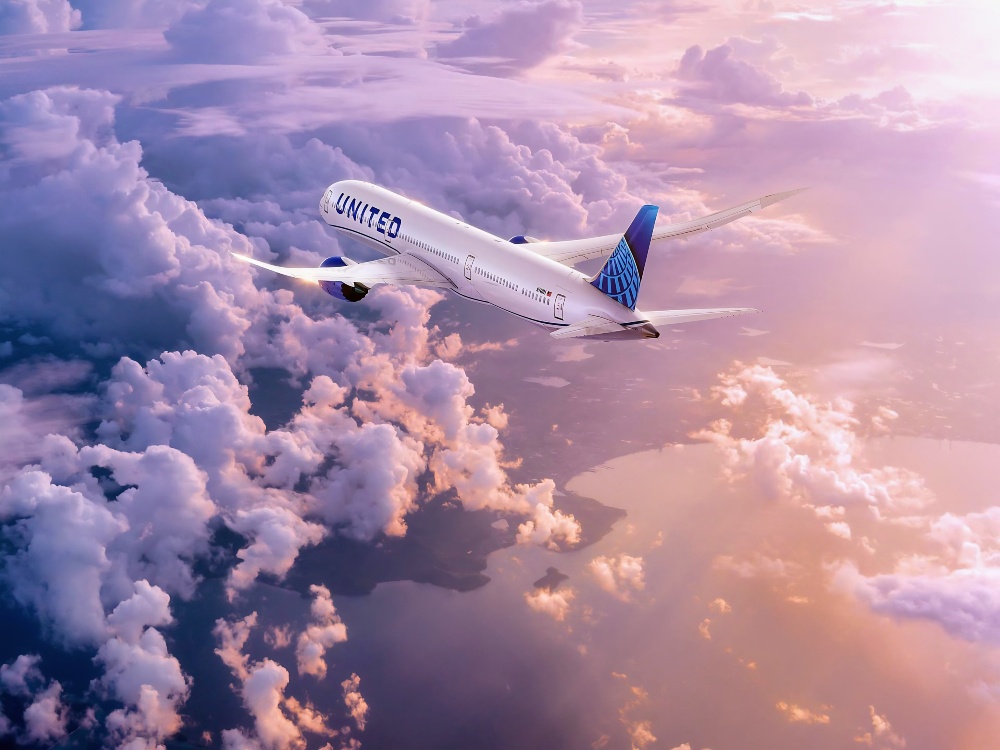
United Airlines’ Polaris business-class experience made the long journey between New Zealand and New York considerably easier.

Our itinerary connected through San Francisco in both directions, with access to United’s impressive Polaris Lounge during each transfer. On the return journey, the Polaris Lounge at Newark provided another opportunity to relax, eat and reset before flying west.
These lounges go far beyond the usual airport waiting room. Polaris guests can choose between buffet dining and a sit-down meal in a private dining space, enjoy a drink at the bar or freshen up in spa-like shower facilities before boarding.
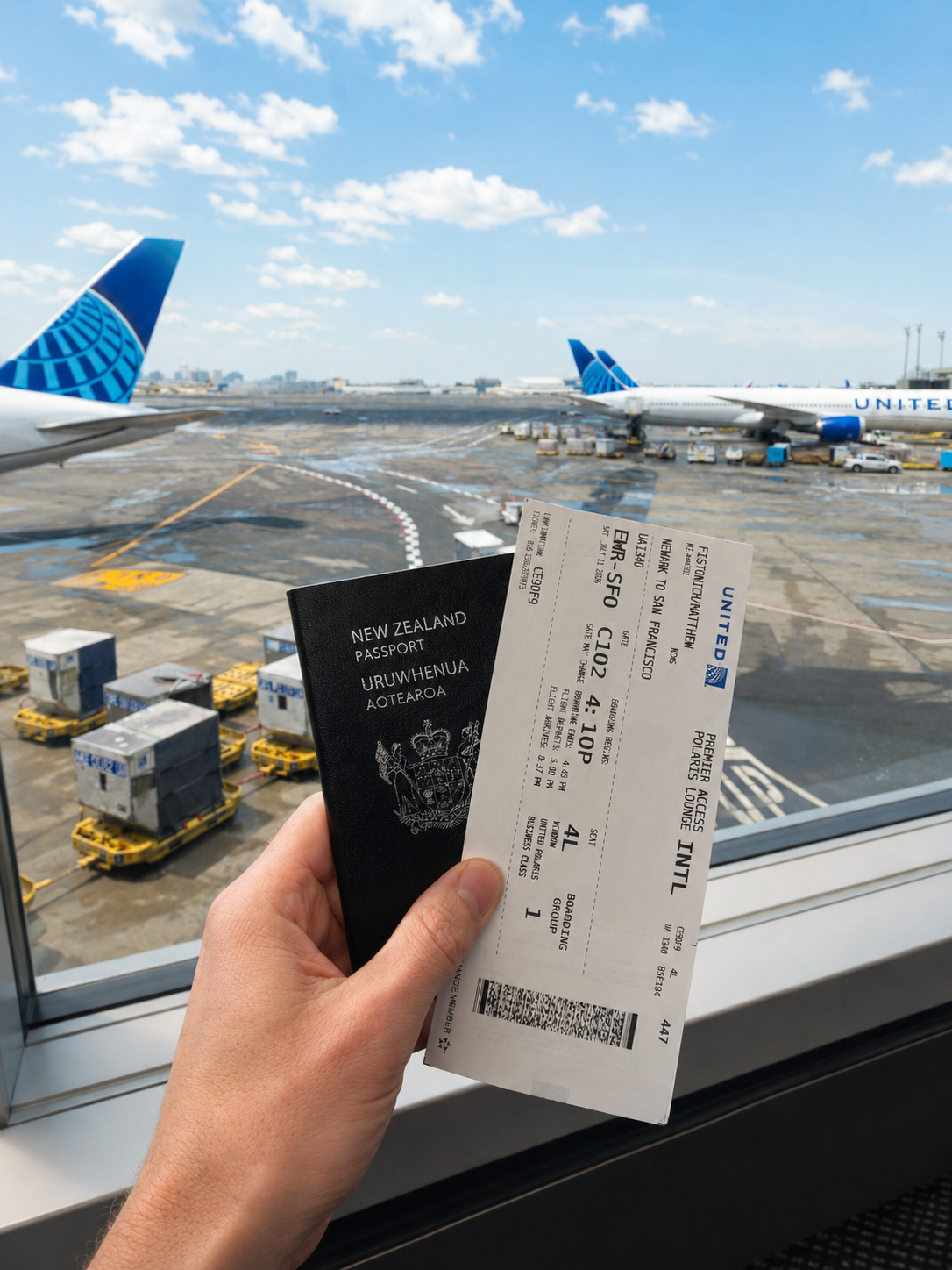
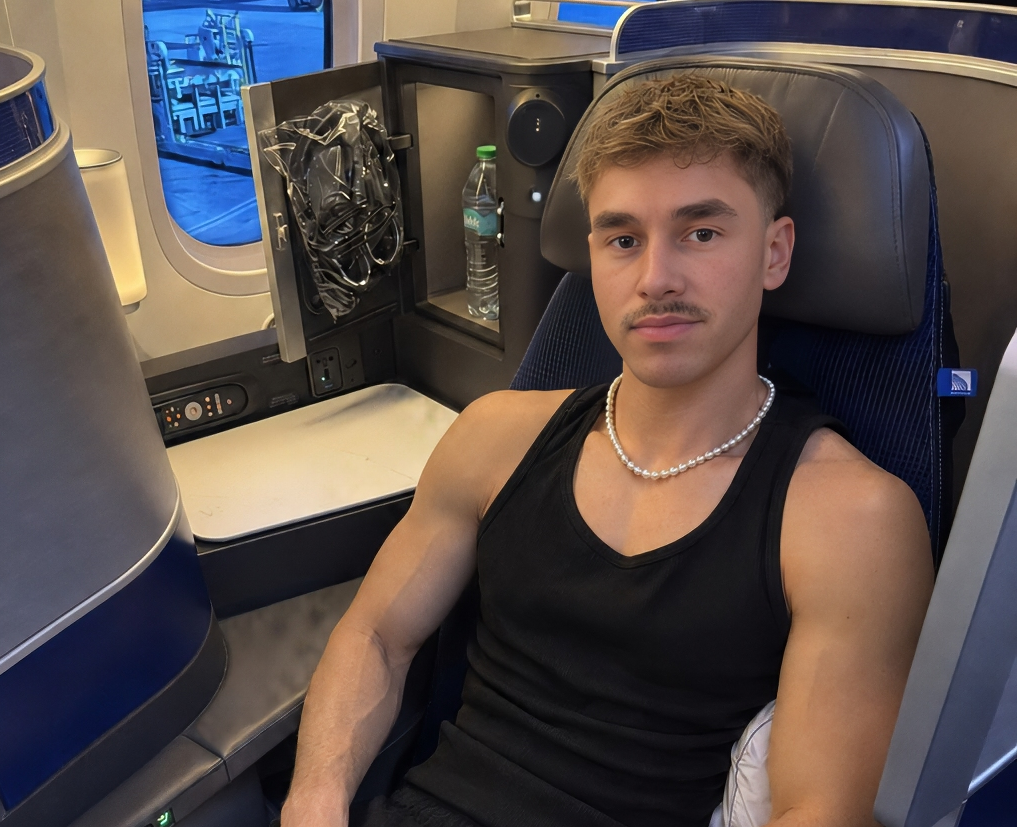
On board, the Polaris seat transforms into a completely lie-flat bed, allowing the cabin to function as a restaurant, private workspace and bedroom depending on the stage of the flight. The thoughtfully presented menu, generous entertainment selection and attentive service helped the hours pass remarkably quickly.
The greatest luxury came on the San Francisco-to-New Zealand sector. After dinner, we converted our seats into beds and slept for virtually the entire journey home. Rather than arriving exhausted and spending days trying to recalibrate, we stepped off the aircraft feeling rested and largely free of the usual jetlag.
That comfort completed a holiday built around contrasts: beach houses and skyscrapers, barefoot afternoons and 4am dance floors, intimate cocktails and enormous parties.
Fire Island Pines offered the sense of escape. Manhattan supplied the spectacle. Brooklyn brought the edge. Together, they created the kind of LGBTQ+ holiday New York does better than almost anywhere: liberating, exhausting and impossible to forget.
Book your very own gay bucket list experience to New York and Fire Island Pines with United today!