










With mpox cases rising across the Tasman, Liz Gibbs, Chief Executive of Burnett Foundation Aotearoa, explains why mpox remains an important health issue in 2026, who should consider vaccination, the symptoms to watch for, and why acting early — without fear, stigma or judgement — is the best way to protect ourselves and our communities.
There is a reason we are talking about mpox again.
Across the Tasman, Western Australia has seen a significant increase in mpox cases this year, prompting health authorities to remind people to know the symptoms, get vaccinated if eligible and seek testing early. As of 20 July, Western Australia had recorded 36 confirmed cases of mpox in 2026, compared with 28 across the whole of 2025. Most of those cases have been acquired locally, meaning they are not linked to travel history or known contact with a traveller.
For those of us in Aotearoa, this is not a reason to panic. But it is a very good reason to pay attention.
Mpox has not disappeared. Health New Zealand’s current advice is that local outbreaks of clade IIb mpox continue to occur in Aotearoa, while the risk of widespread transmission of clade I remains very low.
The important message is simple: we have an opportunity to protect ourselves before cases increase.
Mpox is a viral infection that is primarily spread through very close physical contact, including skin-to-skin, most commonly through sexual contact with someone who has the virus. It can also spread through contact with contaminated clothing, bedding or towels, or contact with bodily fluids such as semen.
In Aotearoa, mpox has predominantly affected gay, bisexual, takatāpui and other men who have sex with men (GBMSM), as well as people who have sex with men in these groups. However, mpox is not a disease that only affects one community. Anyone who has close physical contact with someone who has mpox can potentially be infected. The recent increase in cases in Western Australia, including heterosexual men and women, is a timely reminder that viruses don’t discriminate and that mpox has the potential to spread beyond any one group.
That distinction matters.
We know from our experience with HIV and other infectious diseases that when a virus becomes associated with one community, it can be easy for others to assume the issue doesn’t concern them. It can also create stigma for the communities most affected.
Neither response helps us. Our focus should be on information, prevention, vaccination, testing and care, without shame or judgement.
One of the most frustrating parts of the mpox response has been that the vaccine is much more accessible than it was in the early days of the outbreak, yet uptake has not been where it needs to be. Among GBMSM in Aotearoa, only 12.6% are estimated to have received one dose and just 4.4% a full two-dose course*(based on estimates from April 2024), leaving the risk of a future outbreak high. If your first dose was more than 12 months ago, you can still get your second dose now.
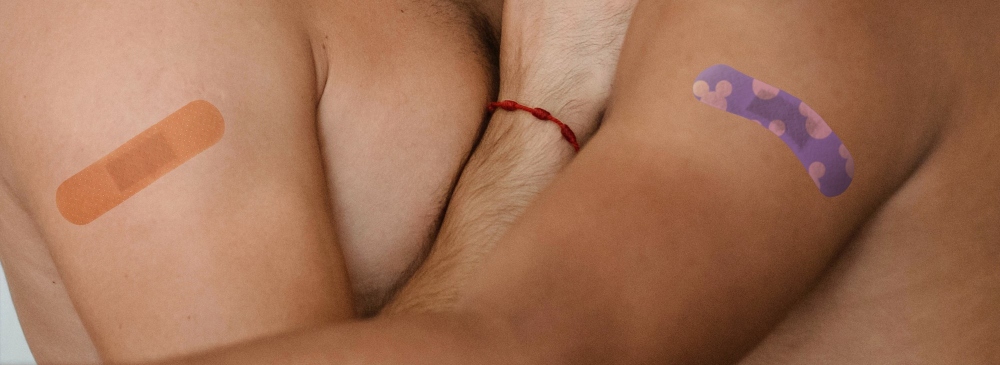
The current mpox vaccine available in Aotearoa is JYNNEOS. Health New Zealand recommends two doses, given at least 28 days apart. One dose provides good protection against severe disease, with protection beginning around two weeks after the first dose.
The vaccine is available free to eligible people, with some providers charging a consultation or administration fee.
People aged 18 and over who are considered at higher risk are eligible, GBMSM, transgender and non-binary people, people living with HIV, close contacts of someone with mpox, and sexual partners of people in these groups.
If you think you might be eligible, don’t wait until there is an outbreak to get vaccinated.
That is particularly important if you are planning to travel overseas or attend events where there may be a greater opportunity for close physical or sexual contact.
Vaccination works best as prevention before you are exposed.
The situation in Western Australia (WA) is a useful reminder for anyone travelling across the Tasman.
WA Health is currently encouraging eligible people to ensure they have received both doses of the mpox vaccine. It is also encouraging people to be aware of symptoms and to seek medical advice promptly if they develop an unexplained rash or lesions.
And if you return home and develop symptoms, don’t ignore them.
Mpox can look different from person to person.
Symptoms can include fever, swollen glands, muscle aches, chills, tiredness and a rash or lesions. In the type of mpox currently circulating in Aotearoa, lesions often appear around the genital or anal area and may be accompanied by rectal pain or discomfort.
Symptoms generally develop within one to three weeks after exposure, and most people recover within two to four weeks.

If you develop symptoms and think you may have been exposed to mpox, seek medical advice and let the healthcare provider know that you are concerned about mpox.
Testing is straightforward: mpox can be diagnosed by taking a swab from skin lesions or other areas where symptoms are present. Early testing matters because it allows people to get the care and support they need and helps prevent further transmission.
Perhaps the biggest lesson from the past few years is that public health works best when we act early.
We don’t need to wait until case numbers are high before we start talking about mpox. We don’t need to wait until someone we know becomes sick before we check whether we’re vaccinated.
And we certainly don’t need to respond with fear or stigma.
We can simply do the things that work.
Know your risk. Know the symptoms. Get tested if you develop symptoms. And look after each other.
At Burnett Foundation Aotearoa, our role is to make sure people have access to clear, trustworthy information and feel supported to make decisions about their health.
Mpox is still with us. The good news is that we are not powerless against it.
Want to know more?
Health New Zealand has up-to-date information about mpox, including symptoms, prevention and vaccination on their website at healthnz.govt.nz/health-topics/conditions-treatments/infectious-diseases/mpox or contact your nearest sexual health clinic or Helpline on 0800 28 29 26.
If you develop symptoms or are concerned you may have been exposed, contact your GP, hauora provider or sexual health clinic, or call Healthline on 0800 611 116.