







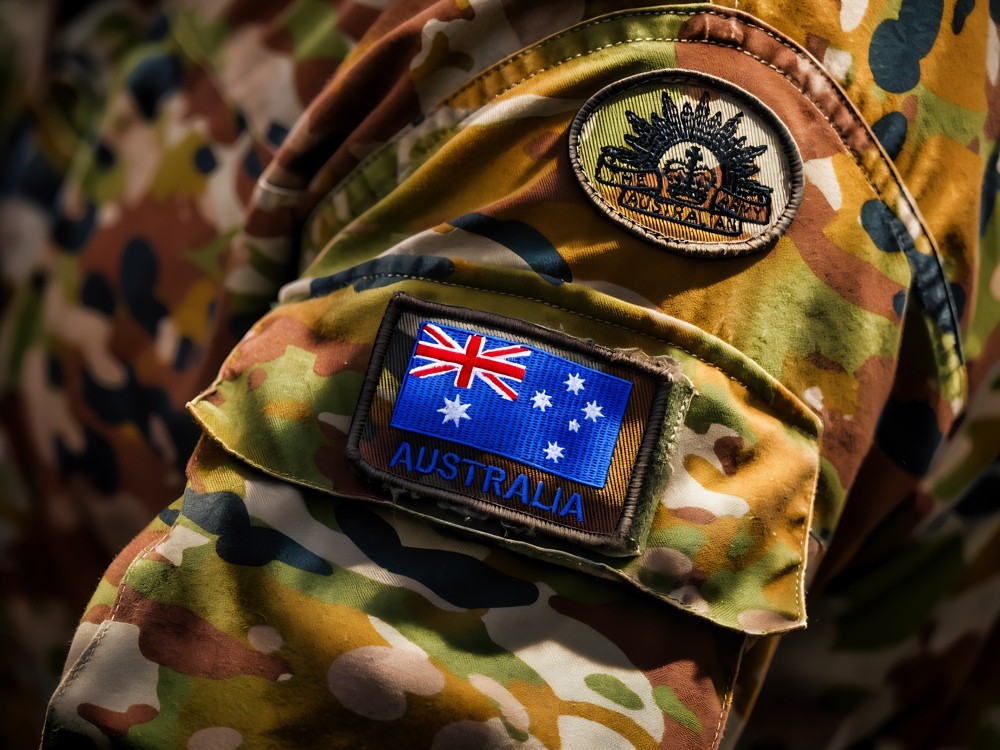
LGBTQ+ veterans in Australia can now apply to have historical convictions for consensual homosexual activity removed from their Defence records, in a major step towards addressing decades of discrimination within the military.
Australia has introduced a new process allowing current and former Australian Defence Force personnel to have historical convictions for consensual homosexual activity formally extinguished.
Until 1992, consensual same-sex activity could be prosecuted as a service offence under Australian military discipline law.
Although those laws have long since disappeared, some veterans have continued to carry the convictions on their official service records.
That can now change.
Minister for Veterans’ Affairs and Defence Personnel Matt Keogh announced on 6 October that recent amendments to the Defence Force Discipline Act 1982 allow eligible people to apply to have those convictions extinguished — meaning they will legally be treated as though they never occurred.
“This has been a long time coming,” Keogh said, describing the reform as an attempt to address the lasting stigma created by previous discriminatory military policies.
Who can apply?
Applications can be made by a person who received a historical homosexual service conviction, their representative, or someone with a special interest in the conviction.
Family members can also apply on behalf of veterans who have died.
The Government says former Defence personnel who believe they were administratively discharged because of discriminatory policies can separately seek a review and ask for their service record to be updated.
Australia ended its formal ban on gay and lesbian people serving openly in the military in November 1992. Transgender and intersex service were not addressed in the same way until later reforms.
The Federal Government says the military justice system was the final Australian jurisdiction without a mechanism allowing this type of historical conviction to be extinguished.
RSL NSW welcomes the change
RSL NSW has welcomed the reform, with president Brigadier Vince Williams CSC (Retd.) saying veterans should never have had their service tarnished because of private, consensual relationships.
“These men and women volunteered to put on a uniform and serve our country,” Williams said.
“They should never have had their service tarnished by a conviction for private, consensual activity that should not have been a crime.”
Williams said removing the convictions was about more than changing paperwork.
“It is about recognising that these laws and policies were discriminatory, that they caused real and lasting harm, and that the people affected deserved better from the country they served.”
Formal apology also promised
The Australian Government has also committed to making a formal apology later this year to LGBTQ+ veterans and Defence personnel affected by historical discrimination.
RSL NSW welcomed that commitment too.
“An apology cannot undo what happened, but acknowledging that injustice matters,” Williams said.
“It will send an important message to those veterans: your service mattered, what happened to you was wrong, and you have a valued place in Australia’s veteran community.”
LGBTQ+ veterans drove the push for recognition
RSL NSW also acknowledged the veterans and advocates who have pushed for historical discrimination within Defence to be formally recognised.
That includes DEFGLIS — the Defence LGBTQIA+ Information Service, a volunteer organisation supporting LGBTQ+ serving members, veterans and their families.
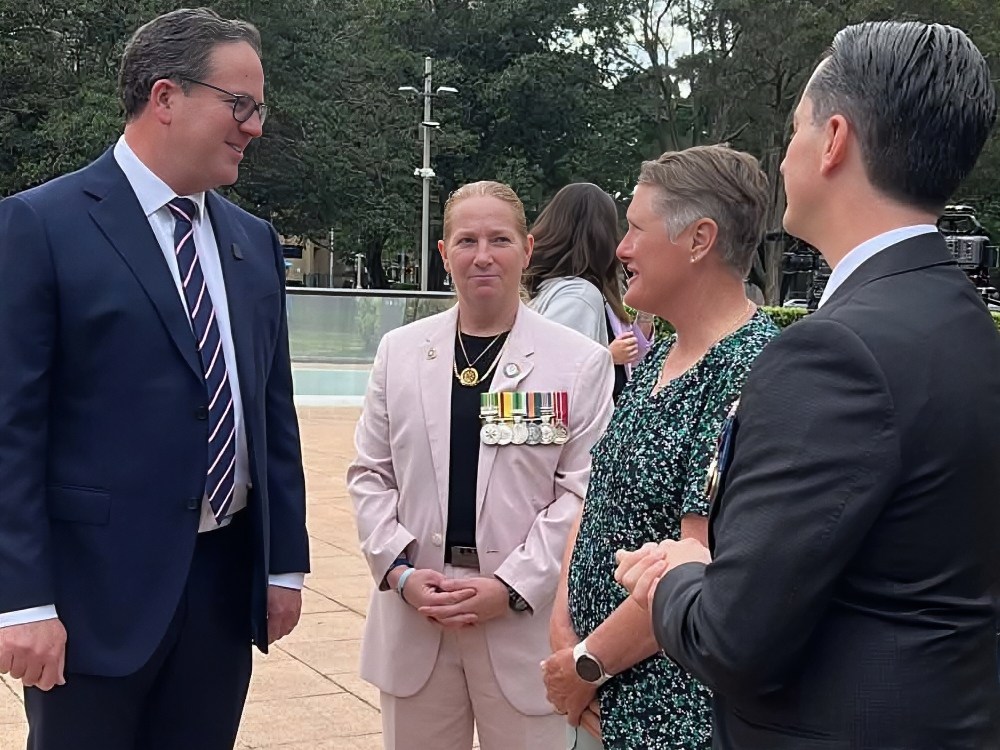
RSL NSW singled out DEFGLIS president Rachael Cosgrove-White, who is also an RSL NSW member, along with veterans who shared sometimes painful accounts of their experiences.
“This progress belongs first and foremost to them,” Williams said.
The relationship between RSL NSW and DEFGLIS has also become more visible in recent years, including RSL NSW support for the organisation’s Military Pride Ball.
RSL NSW and RSL LifeCare are major sponsors of the 2026 DEFGLIS Military Pride Ball, which will be held in Sydney on 17 October.
Reflecting on the RSL’s own history
Williams said the reforms should also encourage veteran organisations to consider how LGBTQ+ former service personnel have historically been treated.
“The RSL should be a place for everyone who has served, regardless of gender, race, religion, sexual orientation or background,” he said.
That reflection carries particular historical weight.
Research published through DEFGLIS records that in 1982, members of the Gay Ex-Services Association attempted to lay a wreath at Melbourne’s Shrine of Remembrance for gay and lesbian people who had served.
They were initially prevented from doing so by then-Victorian RSL president Bruce Ruxton, who publicly rejected recognition of the group.
The association returned in subsequent years and was eventually able to lay its wreath.
More than four decades later, organisations representing LGBTQ+ Defence personnel are now partnering with parts of the RSL movement.
“Respecting our history does not mean pretending we always got everything right,” Williams said.
“It means being prepared to learn from the past.”
For the veterans whose military records still carry convictions arising from consensual same-sex relationships, the latest legal change is a tangible one.
The promised national apology will represent another step — recognising that people who volunteered to serve Australia were also punished by the institution they served simply because they were gay, lesbian or bisexual.