










Football trailblazer Jaiyah Saelua tells YOUR EX’s Oliver Hall what her fa’afafine upbringing can teach us about belonging in sport, and why the future of transgender athletes begins with the communities they call home
The debate about transgender athletes has become one of the most contentious conversations in international sport. Questions about eligibility, competitive advantage and sporting categories dominate headlines, while the experiences of the athletes themselves are often lost in the noise.
For Jaiyah Saelua, a transgender woman who has spent her international football career representing the American Samoa men’s national team, the conversation needs to begin somewhere more fundamental.
“When we talk about transgender athletes, we need to look beyond the athlete’s body and ask about the world that athlete has to live in. If we can create communities where transgender people feel safe and valued, then sport becomes part of that solution rather than another place where they have to fight to prove that they deserve to exist.”
It is a perspective shaped by growing up in a Pacific culture with its own longstanding understanding of gender.
Jaiyah is a proud fa’afafine and transgender woman from Leone village in American Samoa. She made history as the first openly transgender person to compete in a FIFA tournament. Her story reached global audiences through the documentary Next Goal Wins and Taika Waititi’s subsequent Hollywood film of the same name.
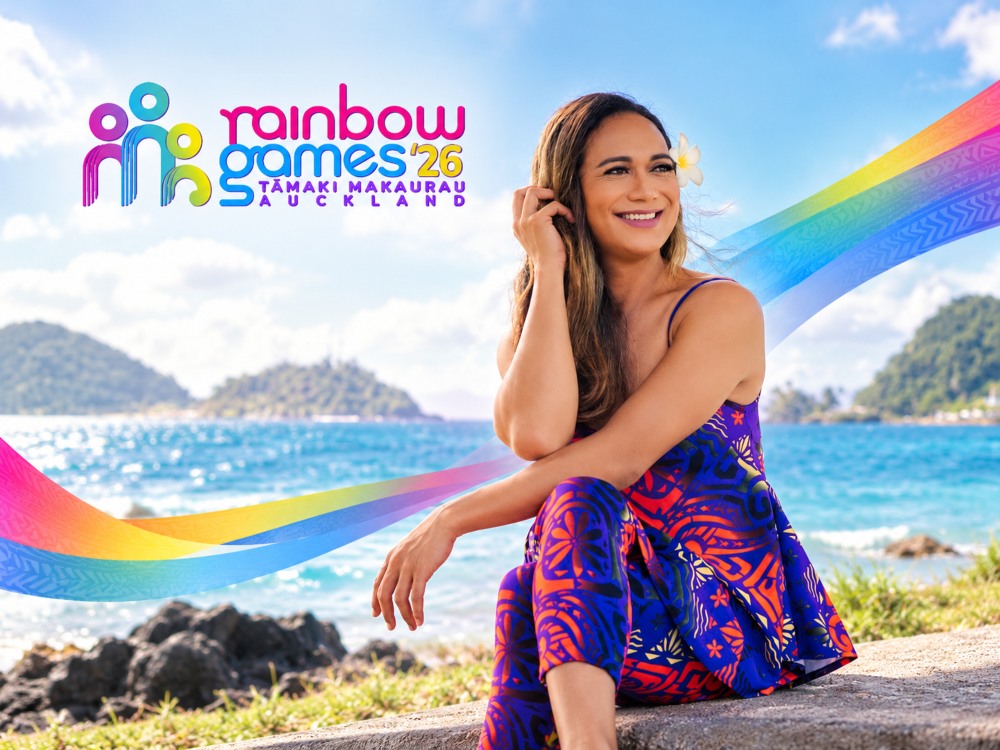
Now an ambassador for the Rainbow Games in Auckland, she is encouraging the sporting world to consider what genuine inclusion might look like.
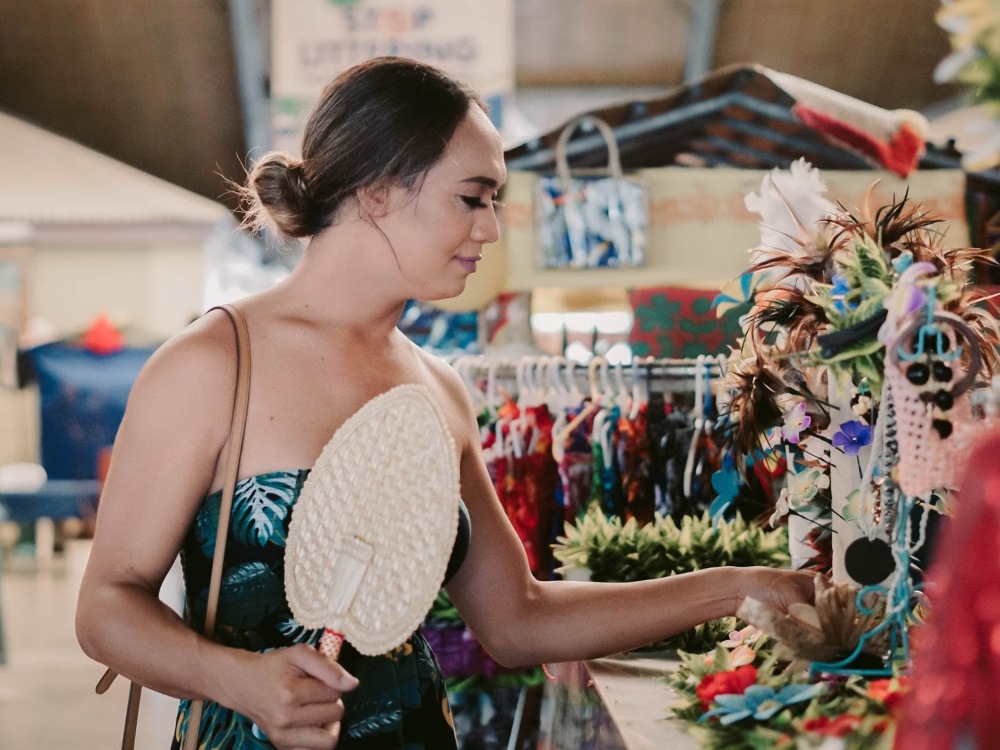
“Growing up in American Samoa, I was surrounded by fa’afafine,” Jaiyah tells us. “My aunts, uncles, cousins and village friends. My family has told me that, even before I was aware of gender, sexuality or what it meant to be fa’afafine, I showed mannerisms that are more commonly associated with femininity.”
Fa’afafine, which translates literally as ‘in the manner of a woman’, is a distinct Samoan cultural identity with a history extending far beyond contemporary Western conversations about gender.
“Fa’afafine have long held an important and respected place in Samoan families and communities. We contribute to our families, villages and churches through caregiving, cultural responsibilities, service and creative expression.”
Jaiyah is careful to distinguish fa’afafine identity from Western understandings of transgender identity. Some fa’afafine, including herself, identify as transgender women, while others do not.
Nor does cultural recognition mean every fa’afafine person experiences unconditional acceptance. Jaiyah describes her parents as conservative, explaining that their acceptance of her and her younger fa’afafine sister grew as the siblings gained independence and transitioned in ways that felt right for them.
Her own experience, she acknowledges, cannot speak for everyone.
Yet growing up in a community where fa’afafine were a recognised part of everyday life gave Jaiyah a very different starting point when she discovered football.
“I fell in love with football at 11. I immediately loved the energy, teamwork and freedom of the game, but above all, the fact that, at the grassroots level, our team was co-ed. At an early age, football gave me a new dream: to represent American Samoa internationally.”
That dream eventually became a reality, and her gender identity was never considered an obstacle to pursuing it.
“Despite being fa’afafine, I was always active, athletic and involved in sports. In American Samoa, being fa’afafine was not considered an obstacle to participating in sports, and it still is not today. My identity was not defined by whether I was feminine or athletic; both were simply parts of who I was.”
That sense of belonging continued throughout her international career.
Jaiyah recalls feeling particularly welcomed during training with the American Samoa men’s national team, where her teammates respected her identity and allowed her to concentrate on contributing as a footballer.
In 2019, she was named captain of the national team for the Pacific Games, an achievement that reflected the respect she had earned over years of international competition.
“My experience in football has shown me that inclusion does not always have to be complicated. Sometimes, it is simply about creating a space where people are allowed to be exactly who they are.”
Her experience presents an interesting contrast to the increasingly politicised conversations surrounding transgender participation in sport elsewhere.
Jaiyah has spent her international career competing in men’s football, but she is emphatic that her personal experience should not be used to dismiss transgender women who want to participate in women’s sport.
“My experience doesn’t lead me to believe that transgender women don’t belong in women’s sport. Quite the opposite. It has taught me that belonging is deeply connected to culture and context. We should be thoughtful about creating sporting environments where people can participate safely, respectfully and with dignity, while also recognising that different communities may understand gender and inclusion in different ways.”
Rather than offering her own career as a universal solution to questions of sporting eligibility, Jaiyah asks us to consider how profoundly our cultural environments shape the opportunities available to us.
Her perspective draws on the Pacific concept of the vā, the relational space between people and the responsibilities we have towards one another.
“For me, the most important lesson from the vā is that we are always in relationship with one another. Sport should be a place where those relationships are built through respect, and not where someone’s identity automatically determines whether they are welcome.”
Today, Jaiyah serves as Programme Director of the Fa’afafine Rural Project under the American Samoa Alliance, helping create safe communal spaces and resources for local fa’afafine and fa’atama communities.
She believes Pacific communities have an important role to play in protecting and celebrating their Indigenous gender-diverse identities.
“Our communities are not a burden or a piece of our culture that we can afford to let go of. We are part of the Pacific, and we are assets to our families, our communities and our nations.”
It is this understanding of community that makes her involvement with the Rainbow Games in Auckland particularly meaningful.
For athletes from smaller Pacific nations, she explains, international rainbow sporting events like the Gay Games can be financially, geographically and culturally inaccessible, but the Rainbow Games offer an opportunity to compete while being surrounded by people who understand their experiences.
For Jaiyah, football remains a central part of her own future, too.
After a lifetime representing American Samoa’s men’s national team, she is now hoping to take the next step in her sporting career.
“I’ve been nominated to take the C-licence coaching course in September, with the hope of being selected to be on the coaching staff of the American Samoa women’s team as it prepares for the 2027 Pacific Games in Tahiti.”
It is a fitting next chapter for someone whose relationship with football has always been defined by the opportunities the game has given her to belong, contribute and represent her country.
And when it comes to encouraging others to discover what sport might offer them, Jaiyah has a typically playful message for YOUR EX readers considering registering for the Rainbow Games.
“You might discover a new sport. You might discover a new community. You might discover a new best friend. Or, who knows… you might even meet your next ex.”
Registrations for the Rainbow Games close on 16 October, so register now at rainbowgames.co.nz
Your registration includes entry to the spectacular Opening Ceremony on 29 October, at Auckland’s Aotea Centre. Additional tickets can be purchased from moshtix.co.nz