







Virginians will vote on Tuesday on whether to remove the state’s same-sex marriage ban from its constitution, but one of the measure’s loudest opponents is trying to make the vote about trans people instead.
What Is Ballot Question 2?
Ballot Question 2 would remove the 2006 language in Virginia’s constitution saying marriage is “only a union between one man and one woman”.
In its place, the amendment would bar the state from discriminating “on the basis of the sex, gender, or race” of the “two adult persons seeking a lawful marriage”, reports LGBTQ Nation.
Same-sex marriage is already legal in Virginia because of the US Supreme Court’s 2015 Obergefell v. Hodges ruling. Supporters say removing the discriminatory wording matters in its own right, and could prove vital if the court ever overturns Obergefell.
Earle-Sears Turns To Gender
Former Lieutenant Governor Winsome Earle-Sears, whose term ended in January, has been touring the state to campaign against the measure, according to VPM News.
Rather than focusing on marriage itself, she has zeroed in on the amendment’s use of the word “gender”.
“Why include gender? Because the dictionary says that gender is whatever it is, whatever society says it is today, what it changes tomorrow, it changes the next day. Everything is in flux,” Earle-Sears said.
She and other opponents argue that adding gender to the constitution, likely for the first time, could extend legal protections for transgender people into areas such as sports and restrooms. Neither is mentioned in the ballot question.
It’s a familiar playbook. VPM News notes that gender was a centrepiece of Earle-Sears’ unsuccessful 2025 campaign for governor as the Republican nominee.
Experts Say The Wording Protects Marriage, Nothing More
Elana Redfield, federal policy director at the Williams Institute at UCLA School of Law, says both “sex” and “gender” are needed because the US Supreme Court has recently begun treating the terms differently, including in its 2025 Skrmetti decision upholding Tennessee’s ban on gender-affirming care for minors.
She is sceptical the wording would apply beyond the narrow context of marriage, but says it is essential if transgender, nonbinary and intersex people are to be covered by the amendment’s protections.
“Because of the emergence of this discourse that would completely discount transgender people’s lived experience, it becomes more important to very specifically articulate that trans experiences will be understood and protected,” Redfield said.
Other opponents have been more direct about objecting to same-sex couples. Victoria Cobb, president of The Family Foundation of Virginia, told VPM News that such families “intentionally create homes where someone grows up without a mom and her dad is putting them at a disadvantage”.
Research doesn’t back that up. Professor Henny Bos of the University of Amsterdam, who has worked on the decades-long US National Longitudinal Lesbian Families Study, said researchers “didn’t find any significant differences” between children of same-sex parents and national data.
What Does This Mean For LGBTQ+ Communities?
The Virginia campaign is part of a wider pattern this election season, with Republicans pouring vast sums into anti-trans advertising, as YOUR EX reported this week.
Despite the noise, the measure looks set to pass. The forecasting site On Point Politics projects around 69 per cent support, though it notes no public polls of the question have been published.
The Movement Advancement Project has also rated Virginia as making more progress on LGBTQ+ issues than any other state between 2020 and 2026, according to VPM News.
Twenty years after Virginians wrote a marriage ban into their constitution, they now have the chance to write it out. Whether voters see through attempts to turn marriage equality into a fight over trans lives may say a lot about where rainbow rights are heading in the US.
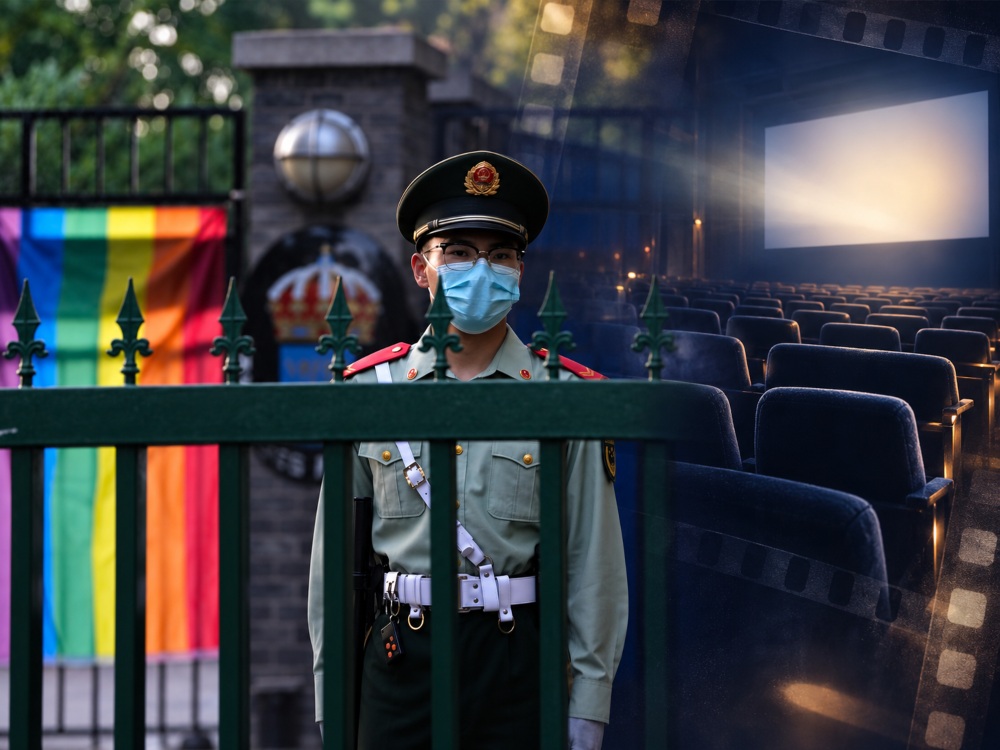
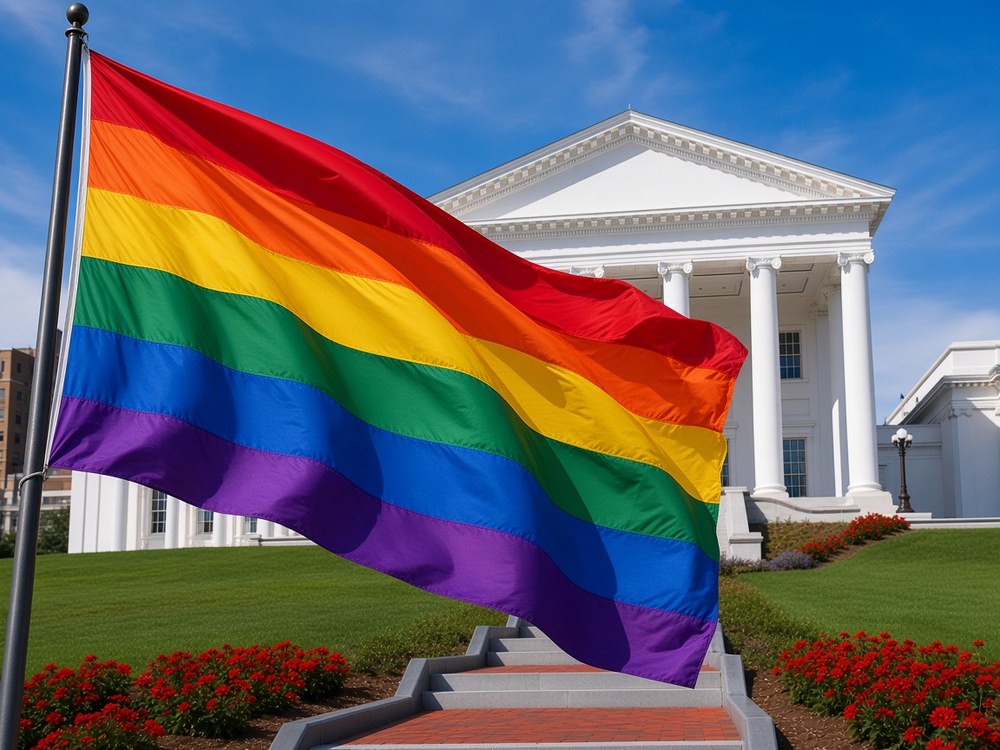
PHOTO CREDIT: Illustration based on a photo by Ron Cogswell / Wikimedia Commons (CC BY 2.0)