







Handbag throwing, high-heel skipping and plenty of fabulous costumes! Long before Perth was selected to host the international Gay Games in 2030, the city’s LGBTQ+ community was holding its own wonderfully outrageous sporting celebration — and now its history is being brought back into the spotlight.
Forget the traditional athletics programme for a moment.
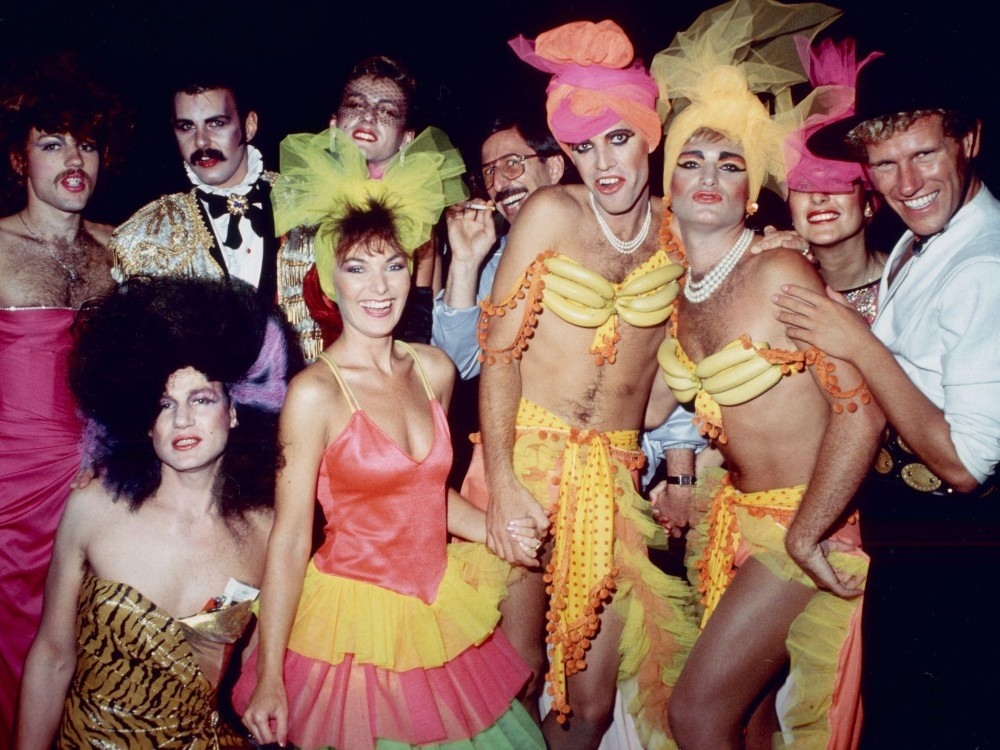
In Perth during the 1980s and 1990s, a sporting competition could mean throwing a handbag, skipping in high heels or taking part in a colourful parade dressed to impress.
And behind all the camp humour was a serious message about LGBTQ+ visibility, community and equality.
New archival research is shining a light on Perth’s local Gay Olympics, which ran annually from 1979 to 1999.
The events brought gay and lesbian communities together for a mixture of sport, entertainment and fundraising during a period when LGBTQ+ Australians were still fighting for basic legal recognition.
Now, as Perth prepares to host the international Gay Games XIII in 2030, volunteers are working to preserve the stories, photographs and memories of those earlier celebrations.
When Handbag Throwing Was An Act Of Pride
Perth’s original Gay Olympics were unlike most sporting competitions.
Alongside more conventional athletic activities, organisers introduced events designed to celebrate queer humour and creativity.
Think handbag throwing, high-heel skipping and extravagant costumes.
But these weren’t simply novelty activities.
For LGBTQ+ Australians living during a period of widespread discrimination, gathering publicly and celebrating their identities could itself be an act of resistance.
Speaking to ABC News, Jo Darbyshire, co-convenor of West Pride Archives, explained the importance of being visible.
“Being visible out in the community and not being shamed” was central to the events, she said.
At the time, consensual sexual activity between men remained criminalised in Western Australia, with decriminalisation reforms beginning in 1990.
The Gay Olympics provided an opportunity for community members to gather openly, challenge stigma and create a celebration that belonged to them.
A Sporting Tradition With A Political Purpose
While the costumes and unconventional events brought plenty of laughs, the competitions also helped support essential community organisations.
Money raised through the Gay Olympics went towards gay and lesbian charities and support services.
According to Darbyshire, fundraising helped cover practical expenses, including the telephone bill for the Gay Lesbian Counselling Service.
It might sound like a relatively small contribution today.
But at a time when LGBTQ+ people had limited access to affirming support, keeping a community helpline operating could make a meaningful difference.
The events also helped strengthen the connections needed to advocate for legal change.
Perth’s LGBTQ+ community wasn’t simply organising a sporting day.
It was creating spaces where people could connect, support one another and build the confidence to campaign for equality.
Incredible Photographs Preserve The Memories
Photographer Tim Grant documented Perth’s Gay Olympics during the 1980s, capturing the elaborate outfits, sporting competitions and community celebrations.
His photographs are now an important part of Western Australia’s queer historical record.
The images include colourful parades, flamboyant costumes and competitors celebrating together.
They also capture a period when photographing LGBTQ+ people in social settings could be difficult because of safety and privacy concerns.
Grant told ABC News that taking photographs inside gay bars and clubs was generally prohibited at the time.
The Gay Olympics offered a rare opportunity to document the community in a public setting where he was already known and trusted.
Those photographs are now helping archivists share the stories of people whose experiences might otherwise be forgotten.
West Pride Archives Is Keeping Queer History Alive
Volunteers at West Pride Archives are collecting and preserving materials connected to Western Australia’s LGBTQ+ history.
Their work includes photographs, documents, memorabilia and personal stories from community events.
With the international Gay Games coming to Perth in 2030, the organisation is placing renewed attention on the city’s historic sporting celebrations.
Archivist Sophie Herbert told ABC News that she found the old photographs and stories inspiring.
She highlighted the courage of LGBTQ+ people who gathered publicly and celebrated their identities during a period of considerable discrimination.
The archive hopes more community members will share photographs, medals and other memorabilia connected to the original events.
Herbert has also expressed hope that renewed interest could inspire a revival of Perth’s local Gay Olympics.
That remains an aspiration rather than a confirmed event.
From Local Gay Olympics To The International Gay Games
Perth’s original Gay Olympics were a local community event, distinct from the international Gay Games.
The first international Gay Games were held in San Francisco in 1982, founded by Olympian and physician Tom Waddell.
They were created to provide an inclusive sporting environment welcoming participants regardless of sexual orientation, gender identity or athletic ability.
Unlike elite international competitions, the Gay Games do not require athletes to qualify through national selection.
Participation and personal achievement are central to the event’s philosophy.
Perth’s connection to the international competition dates back decades.
In 1994, local organiser Ray Currell helped arrange the city’s first team of approximately 30 participants to attend the New York Gay Games.
The event coincided with the 25th anniversary of the Stonewall uprising.
Currell went on to compete in five international Gay Games, including in bowling.
His experiences are another example of the lasting connections created through LGBTQ+ community sport.
Perth Is Preparing To Host Gay Games 2030
Perth has now been officially confirmed as the host city for Gay Games XIII in 2030.
The Federation of Gay Games announced in March 2026 that the host agreement had been signed, completing an international selection process.
The event is expected to bring thousands of athletes, performers and supporters to Western Australia for a ten-day celebration of sport, culture and community.
Organisers are planning a programme welcoming people of different backgrounds, identities and sporting abilities.
And with the city’s own Gay Olympics history stretching back to 1979, Perth has an established local tradition to draw upon.
The international event will offer an opportunity to celebrate that history while introducing new generations to inclusive sport.
Auckland Almost Hosted The 2030 Games
There’s also a significant Aotearoa connection.
Auckland was one of the final three cities competing to host Gay Games 2030, alongside Perth and Denver.
However, the New Zealand bid was withdrawn in May 2025.
The Federation of Gay Games confirmed that Tātaki Auckland Unlimited, which was responsible for the bid, cited a lack of funding following changes to how major international events were supported locally.
That left Perth and Denver as the two remaining contenders.
Perth subsequently secured the hosting rights.
For LGBTQ+ athletes and supporters in New Zealand, a Gay Games event across the Tasman will offer a comparatively nearby opportunity to experience the international celebration.
However, registration details, competition fees and specific participation arrangements for 2030 have not yet been confirmed.
More Than Medals And Sporting Glory
For LGBTQ+ communities in Aotearoa, Perth’s archival project highlights the importance of preserving our own rainbow histories.
Across New Zealand, queer sporting teams, community fundraisers, drag events and nightlife venues have helped people build friendships and support networks over generations.
Many of those stories survive through personal photographs, posters, memorabilia and the memories of people who were there.
Perth’s Gay Olympics demonstrate how even the most playful community traditions can carry deeper significance.
Behind the handbags and high heels were people creating opportunities for visibility and solidarity during an era when simply being openly gay could carry considerable personal and legal risks.
Now, more than four decades after the first local games, their stories are being rediscovered as Perth prepares to welcome the world.
From handbag throwing in 1979 to hosting Gay Games 2030, Perth’s rainbow sporting history is a fabulous reminder that Pride has always been about community, courage and having a little fun along the way!