






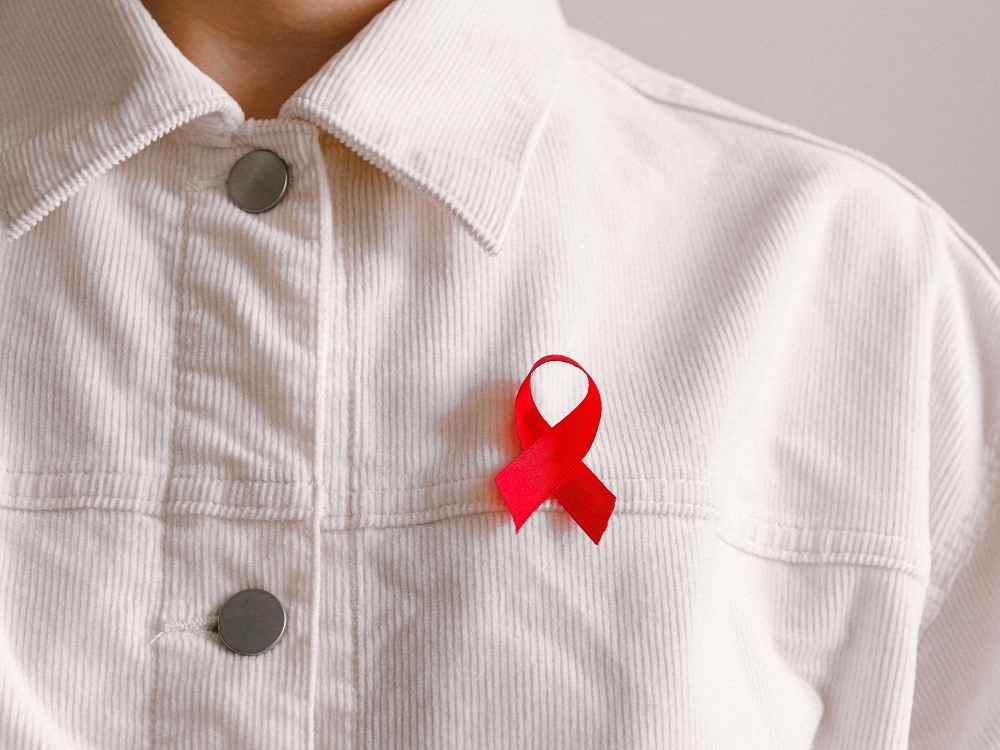

From World AIDS Day, migrants, seasonal workers and visitors will gain access to publicly funded HIV prevention and sexual health services, marking a major step towards eliminating HIV transmission in New Zealand by 2030.
A significant change to New Zealand’s sexual health system will take effect on 1 December 2026, removing residency and visa restrictions on access to publicly funded sexually transmitted infection (STI) testing and HIV prevention medication.
The changes mean migrants, seasonal workers and short-term visitors will be eligible for testing, HIV prevention medication and treatment for infectious diseases, regardless of their immigration status.
The new provisions, introduced through the Healthy Futures (Pae Ora) (Eligibility) Regulations 2026, will give anyone who has, may have, or may have been exposed to an infectious disease access to publicly funded diagnosis, treatment, follow-up care and contact tracing.
The regulations cover infections including HIV, syphilis, gonorrhoea and chlamydia, alongside access to HIV prevention medications PrEP (pre-exposure prophylaxis) and PEP (post-exposure prophylaxis).
Mark Fisher MNZM, Executive Director of Body Positive New Zealand / Tinana Ora Aotearoa, has welcomed the announcement as a major milestone for sexual health equity.
“This is a significant step for HIV and sexual health in Aotearoa,” Fisher says.
“HIV does not check a visa. When someone knows their status and is on effective treatment, they stay well and cannot pass HIV on. When someone who is HIV negative can get tested and, if they would benefit, get PrEP, they stay negative.”
Previously, many migrants and visitors faced restrictions on publicly funded sexual health services, including workers on Recognised Seasonal Employer visas, who are generally ineligible for most publicly funded healthcare.
While HIV treatment has already been available to people regardless of residency status because HIV is a notifiable infectious disease, the new regulations close a significant gap in access to testing and prevention.
The changes also support New Zealand’s National HIV Action Plan, which aims to eliminate local HIV transmission by 2030.
A central part of that strategy is ensuring people know their HIV status and can access effective treatment. People living with HIV who maintain an undetectable viral load through treatment cannot transmit the virus sexually, a scientific principle known as Undetectable = Untransmittable (U=U).
New Zealand formally signed the U=U commitment in February 2026.
“We cannot reach the 2030 goal if people are shut out of testing and prevention because of their visa,” Fisher says.
“There is no better day for this to take effect than World AIDS Day. From 1 December, everybody is included in the HIV response.”
Fisher believes the changes place New Zealand among the world’s leaders in accessible HIV prevention and care.
“We are not aware of any country that has gone as far as this. It is something Aotearoa can be proud of,” he says.
However, Pharmac eligibility criteria and clinical assessments will still apply to HIV prevention medication, and some services may involve co-payments.
Body Positive is calling on Health New Zealand and healthcare providers to ensure the changes are clearly communicated, including in community languages, so that people who were previously excluded understand their new entitlements.
Anyone who believes they may have been exposed to an STI or HIV, or who could benefit from PrEP or PEP, is encouraged to contact a sexual health clinic or healthcare provider.
The new eligibility rules take effect on World AIDS Day, Tuesday 1 December 2026.