









Kristian Lavercombe, the actor who has starred in the Rocky Horror Show more than anyone else, discusses the enduring cosmic camp of Richard O’Brien’s ‘coming of age story for anyone who’s ever felt different.’
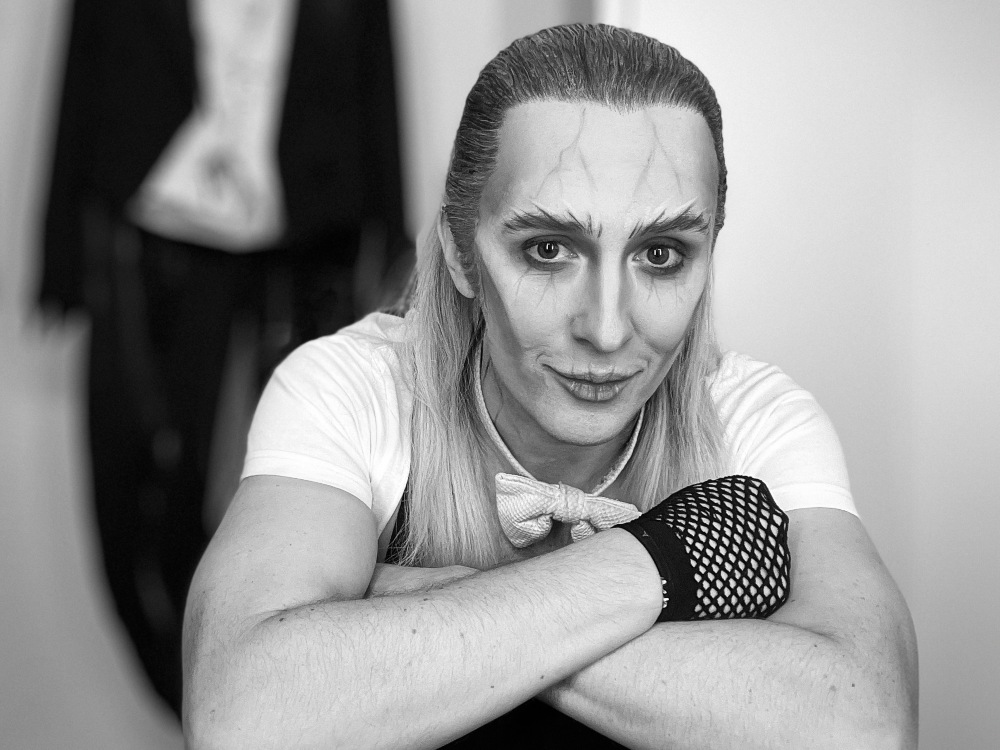
After a 15-year absence, The Rocky Horror Show is finally strutting back onto Aotearoa stages, with corsets and chaos fully intact. And for one performer, the homecoming is particularly sweet. Kristian Lavercombe, the Nelson-raised actor who has performed Riff Raff more times than anyone in history, is returning as the show’s Narrator. For him, it feels less like a gig and more like destiny.
“This production has toured the world for 14 years. It’s literally been seen by millions,” he says. “There was even a West End version with Stephen Fry that topped the box office when it screened in cinemas. And somehow, this version never made it to New Zealand, which feels like a crime!”
Given the show’s 52-year history, its overdue return feels momentous, not least because Rocky Horror is stitched deeply into the fabric of queer culture in Aotearoa. Its creator, Richard O’Brien, famously spent his childhood here. The film is a cult legacy. And for Kristian, it’s been a defining artistic love affair.
The Man Who Became Riff Raff
On a typical Saturday night in the UK, Kristian would step on stage to an audience of two thousand people who were wearing feather boas, screaming callbacks and pelvic-thrusting their way through The Time Warp. For 14 years, that adrenaline never dulled.
“No matter what role I’m doing, I never completely shake that nervous energy. That’s what keeps things alive,” he says. “No one teaches you how to perform a role for 14 years. But I always treated every night like opening night. That mindset kept performance number 2,600 just as exciting as performance number one.”
“Somehow I’ve performed in Rocky Horror more than anyone in the history of the show!”
Fans see Riff Raff as one of theatre’s great queer-coded oddballs: hunching in the shadows, quietly biding his time, then unleashing cosmic rock-opera drama. After thousands of shows, Kristian’s relationship with the role became deeply personal.
“During my 14 years as Riff Raff, I spent more time looking at that character’s face than my own,” he says. “He became my best friend. I performed with countless casts across multiple countries, but Riff Raff was the one constant.”
These performances taught him why audiences identify with the character’s quiet rebellion. “He represents the part of all of us that’s tired of being ignored,” Kristian says.
Passing the Torch
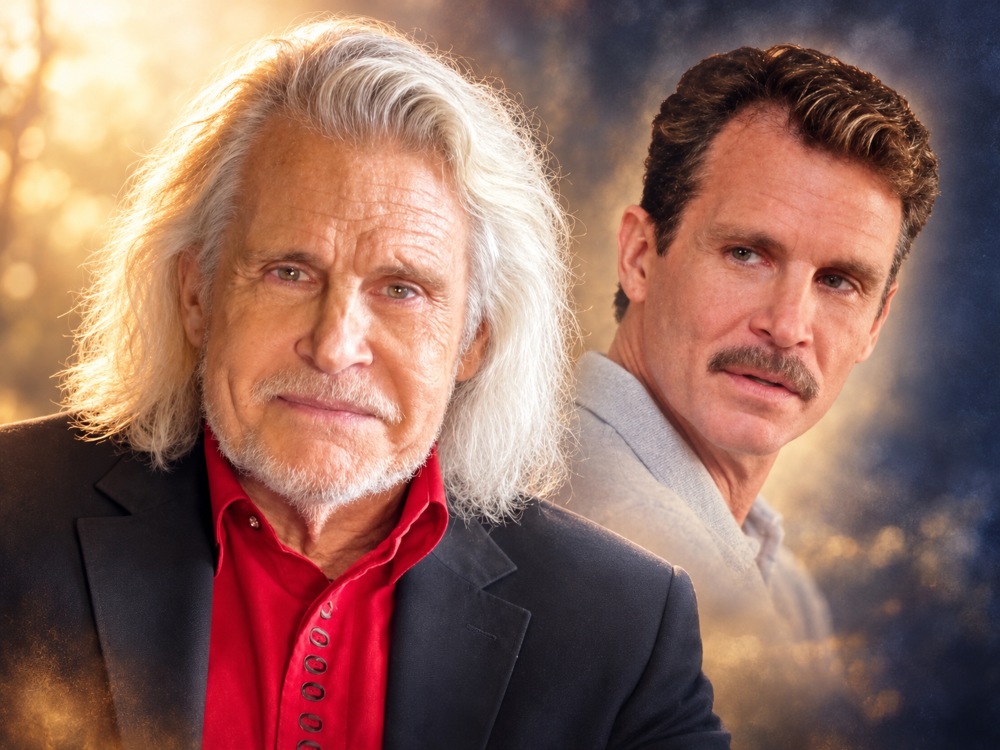
For the 2026 tour, Kristian is stepping into the role of the Narrator, while Riff Raff will be played by Ryan Carter-Wilson.
“Ryan was my understudy on the last tour – he’s hardworking, talented, and a joy to share a stage with,” Kristian says. “He covered several roles back then and played them all to perfection, so he’s the perfect person to pass the baton to.”
However, “not having Riff Raff looking back at me in the mirror has been one of the strangest adjustments,” he says. “There are definitely times I miss seeing him.”
What Sets This Tour Apart
Kristian describes this production as the most visually spectacular version NZ has ever seen.
“With Rocky Horror, there are sacred traditions you don’t mess with. The fishnets, the high heels, the feather boas, the half-naked muscle man; they’re all there!” he laughs.
But this tour also boasts the original film’s costume designer, Sue Blane, designing every corset and cape. Meanwhile, the creative team includes Tony nominees and Olivier Award winners handling design and lighting.
“This version delivers everything audiences expect while embracing incredible, world-class design,” Kristian says. “At the heart of it all is Richard O’Brien’s eccentric, glitter-soaked fairytale. His music hasn’t aged a day. That man knows how to write a tune!”
A Queer Rite of Passage
Half a century on, The Rocky Horror Show remains one of the most important queer cultural touchstones in theatre.
“Rocky Horror is a coming-of-age story for anyone who’s ever felt different,” Kristian says. “It gave people permission to be themselves.”
In 1973, a transvestite lead character shocked the theatre world. In 2026, the show feels just as rebellious.
“Even now, audiences are full of young LGBTQIA+ people who find inspiration in the show,” he says. “And the best part? Even if you’re a straight, rugby-playing mechanic, it’s totally acceptable to show up in a corset and heels and not be judged.”
Rocky Horror’s message, “Don’t dream it, be it,” has only grown sharper.
“As the world becomes more divided, its invitation to simply ‘be yourself’ feels even more vital. It reminds us to celebrate difference, not hide it.”
A Homecoming Long in the Making
Kristian’s connection to NZ theatre runs deep. He trained at NASDA, performed extensively at The Court Theatre, and starred as Jesus in Auckland Theatre Company’s now-legendary Jesus Christ Superstar (“Cookiegate,” he teases).
Playing the Narrator in his fifth New Zealand Rocky Horror feels like a full circle moment.
“I’ve performed alongside Richard many times,” he says. “I hope he feels proud that the ‘little show’ he wrote for a three-week run has lasted over 50 years.”
Mayhem, Makeup & Absolute Pleasure
After more than 2,600 performances, Kristian has accumulated stories; some printable, some not.
The most iconic involve Kiwi audiences: a fan dressed as a faux-Magenta who broke into his dressing room, and a seven-foot drag queen he had to physically redirect away from Richard O’Brien when they jumped on stage.
His advice for first-time audiences: “To quote the show: ‘Give yourself over to absolute pleasure.’ And yes, absolutely dress up. You’ll have a much better time if you do.”
Why Rocky Still Rocks
So what keeps The Rocky Horror Show pulsing after 50 years?
“All of it,” Kristian says. “The music, the fashion, the message, the anarchy. Rocky Horror breaks every rule of what should work.”
As we prepare to time-warp once more, Kristian hopes audiences embrace its ethos fully.
“We all want to be unapologetically ourselves – but it’s easier said than done,” he says. “If Rocky Horror can help people achieve that, even just a little, then everyone should see it.”