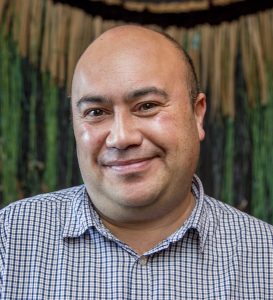










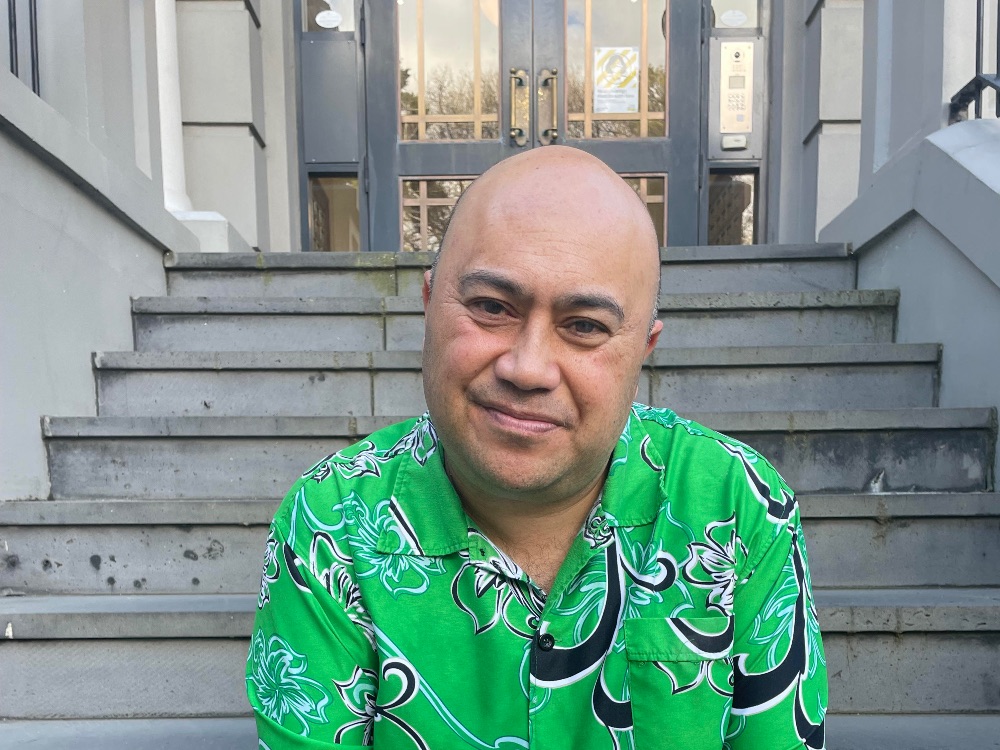

Beloved Māori playwright and filmmaker Aroha Awarau has died peacefully in Ponsonby. His legacy as a queer storyteller and fearless creative lives on through works that championed marginalised voices.
Aotearoa has farewelled one of its most vital creative voices. Acclaimed playwright, filmmaker, and journalist Aroha Awarau died peacefully this afternoon at Mercy Hospice in Ponsonby.
Awarau, who was of Māori, Niuean and Samoan descent, was celebrated for his powerful storytelling, which spanned theatre, screen, and journalism. A proud queer artist, his work consistently uplifted marginalised voices and challenged injustice, always underpinned by deep compassion and moral clarity.
A Theatrical Legacy That Demanded Reflection
Awarau rose to prominence with his debut play Luncheon, which received the Best Play honour at the New Zealand Script Writing Awards. He followed it with Officer 27, a compelling exploration of police violence inspired by the 2009 fatal shooting of Halatau Naitoko. Rather than focusing on sensationalism, Awarau spotlighted a grieving mother’s story, urging audiences to reckon with issues of race, policing, and accountability in Aotearoa.
In 2020, his play Provocation, staged as part of the Auckland Pride Festival, boldly tackled the controversial “gay panic” defence, situating its narrative in the afterlife to explore queer justice and legacy with emotional and intellectual depth.
His writing, including works like Where You’d Least Expect, was known for its thoughtfulness and restraint—often inviting audiences into uncomfortable, yet essential, conversations about the world around them.
Storytelling Across Screens and Spaces
Beyond the stage, Awarau was a prolific filmmaker. His short films—including Puti, Home, Disrupt, and Faded—screened both locally and internationally, with a strong emphasis on themes such as youth struggles, housing insecurity, and resilience in the face of systemic challenges.
Puti, a film that Awarau wrote and directed over several years, exemplified his unwavering commitment to kaupapa-driven storytelling and the power of patience in creative work.
In addition to his dramatic work, Awarau made a mark as a journalist and television producer. He worked across major New Zealand publications and played a pivotal role at Māori Television—where he notably secured Oprah Winfrey’s only New Zealand interview.
A Final Curtain Call
Awarau’s whānau have shared via social media that details about his funeral—referred to as his “Final Production”—will be announced soon.
His loss will be deeply felt across Aotearoa’s artistic communities, but his legacy remains firmly etched in the stories he told, the truths he insisted on, and the lives he touched.