








Before his death late last year, Craig Young penned his final opinion piece for YOUR EX, reflecting on Cold War anxieties and Fallout’s predictions for LGBTQ+ communities following a nuclear event—a reflection that seems more pertinent than ever in 2026.
Defending LGBTQ+ and abortion rights wasn’t the only cause that defined my activism in the 1980s—I also found time to be part of the peace movement.
Interestingly, despite both the anti-nuclear and homosexual law reform campaigns occurring simultaneously, there was surprisingly little crossover between the two. While some lesbians participated in feminist anti-nuclear activism, many gay men involved in the HIV/AIDS crisis in the US were angered by the Reagan administration’s prioritisation of the arms race over urgently needed healthcare infrastructure.
Eventually, President Reagan experienced a shift in perspective, initiating strategic arms limitation talks with Soviet Premier Mikhail Gorbachev. Around this time, the Soviet Union withdrew from its disastrous occupation of Afghanistan. What followed astonished the world. By 1989, the USSR relinquished its grip on Eastern Europe, allowing democratic governments to replace former communist regimes. The Berlin Wall fell, Germany reunified peacefully, and by 1991, the Soviet Union itself collapsed following a failed coup, giving rise to the Russian Republic.
The end of the Cold War ushered in profound transformations: apartheid collapsed in South Africa in 1994; the IRA declared a ceasefire in Northern Ireland; and Cold War-era social conservatism receded, paving the way for LGBTQ+ rights to advance across much of the Western world. However, progress was uneven. Countries like Russia, Hungary, Poland, Romania and Slovakia saw the rise of authoritarian, religious governments that opposed inclusive values.
Although the nuclear arms race was reversed, the US, China, and Russia continue to maintain significant nuclear arsenals. Russia’s invasion of Ukraine, China’s ambitions over Taiwan, and US President Donald Trump’s expansive authoritarian desires all underscore the continued threat. Thankfully, New Zealand’s nuclear-free stance, enacted over 40 years ago, remains firm—keeping our ports closed to nuclear-powered or armed vessels.
Sadly, the peace and LGBTQ+ movements have largely continued in isolation from each other. On the positive side, medical advances like protease inhibitors have subdued the HIV/AIDS crisis, and military discrimination against LGBTQI+ individuals has been largely eradicated across the Western world, including Aotearoa (since 1993). Yet, it raises a troubling question: are we ready for a future where an LGBTQ+ individual might be the one to launch a nuclear strike?
While climate change now dominates existential anxieties, the threat of nuclear war hasn’t vanished. The BBC’s 1984 docudrama Threads still offers a grim vision of what nuclear conflict could mean—especially for the Northern Hemisphere.
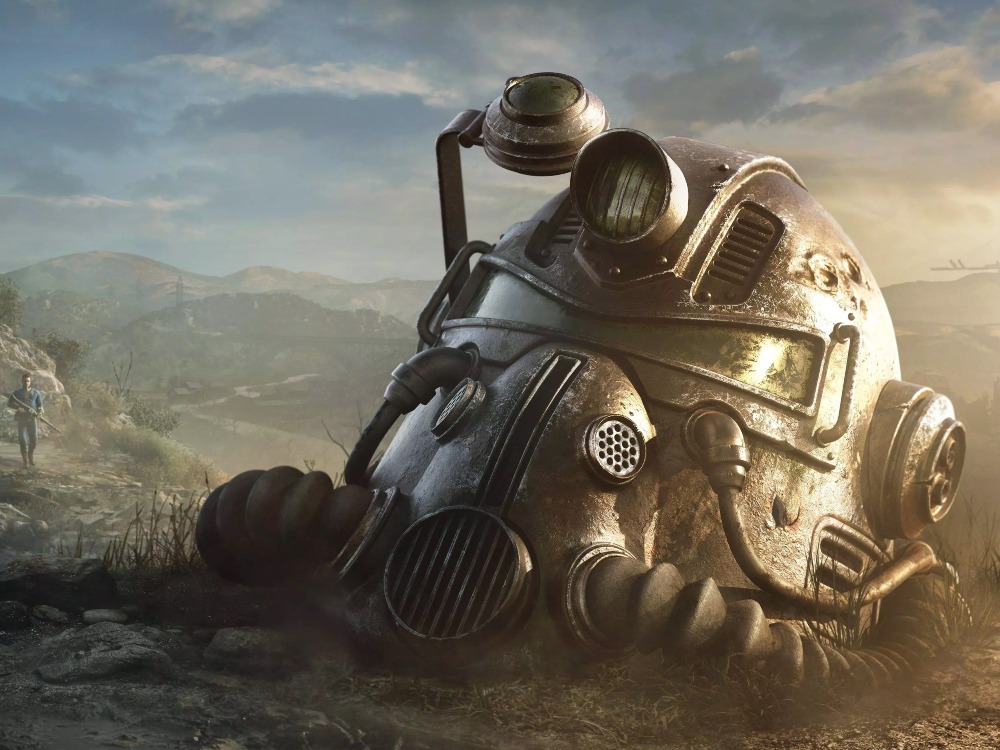
Today, pop culture examines these issues through speculative fiction. The Fallout video game franchise imagines a post-nuclear world rooted in an alternate reality where 1950s design and technology persist, even as feminism, ethnic diversity, and LGBTQ+ rights have progressed. In its narrative, a uranium shortage in 2080 triggers nuclear war between the US and China.
Importantly, Fallout includes queer and trans characters among its survivors. LGBTQ+ representation is embedded in its world, from same-sex couples to trans and non-binary individuals, including romanceable characters and player options. The inclusive New California Republic contrasts sharply with the brutal, homophobic ‘Caesar’s Legion’—though even that faction isn’t free from closet cases.
The franchise, while fictional, poses a fascinating question: how might LGBTQ+ lives persist and evolve after catastrophe? As engaging as it is confronting, Fallout offers a bleak yet inclusive vision of queer survival in a radiated world.
Nuclear war must never be allowed to happen—but if it did, queer people would still be here, surviving, loving, and fighting for their place in the world.