








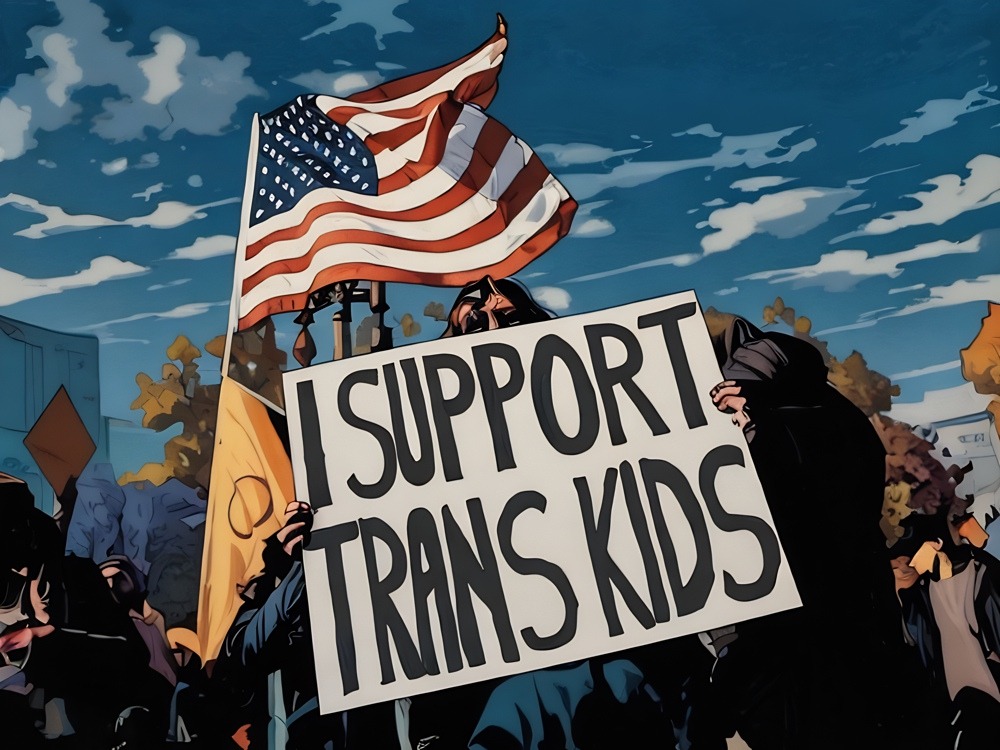
In a move that has rung alarm bells among LGBTQIA+ advocates, House Republicans in the United States have introduced HR 7661, a sweeping federal proposal that critics say would effectively censor the existence of transgender people in public schools across the United States.
The bill was introduced just hours after President Donald Trump delivered his State of the Union address on Wednesday, 25 February, during which he criticised schools for “secretly socially transitioning” transgender students.
HR 7661 would prohibit all federally funded K–12 schools from “developing, implementing, facilitating, hosting, or promoting anything” that includes what the bill defines as “sexually oriented material”. Crucially, that definition explicitly includes content “involving gender dysphoria or transgenderism”.
Broad Scope and Vague Language
Supporters of LGBTQIA+ rights have dubbed the measure the ‘Don’t Say Trans’ bill, drawing comparisons to Florida’s 2022 ‘Don’t Say Gay’ law. Critics argue that the scope of the proposed federal legislation is expansive and ambiguously worded, potentially reaching far beyond classroom instruction.
Under the bill’s wording, restrictions would not be limited to sex education lessons. Educational materials referencing transgender people — including certain books and curriculum resources — could fall within the ban. School-based clubs or student organisations, such as Gender and Sexuality Alliances (GSAs), may also be affected if they discuss transgender identities.
Legal analysts have raised concerns that the bill’s broad phrasing could create a chilling effect. Schools might avoid affirming transgender students’ identities, and transgender teachers could feel pressured to conceal aspects of their lives, fearing complaints or the loss of federal funding.
National Implications
Because HR 7661 targets federally funded K–12 schools, its reach would extend nationwide, impacting public schools across all states.
The proposal arrives amid ongoing political debates in the US over education policy, parental rights and LGBTQIA+ inclusion in schools. Advocacy groups warn that, if enacted, the legislation could significantly limit visibility, support structures and inclusive policies for transgender students and staff.
The bill will now proceed through the legislative process, where it is expected to face significant debate.