











Scouting America — the youth organisation formerly known as the Boy Scouts of America — has filed a lawsuit against an LGBTQ+ travel company, alleging trademark infringement and false association.
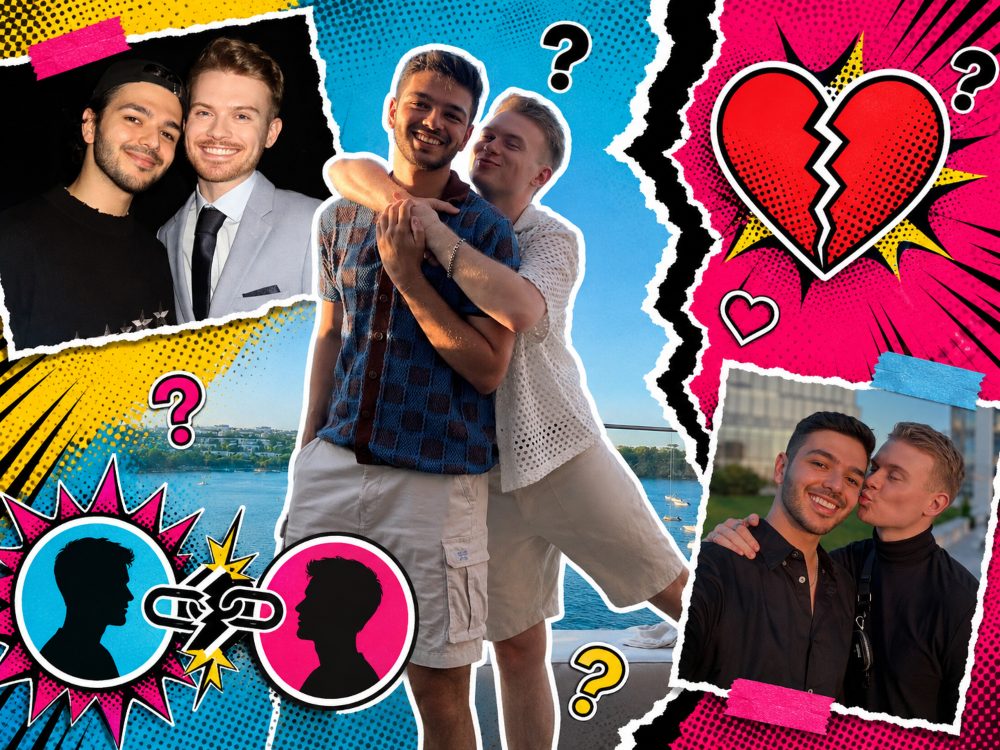
The legal action targets Queer Scout, an Arizona-based travel firm that organises LGBTQ+ tours and experiences in Medellín, Colombia. Its offerings include bar crawls, gay salsa dancing events and boat tours designed for queer travellers.
In a lawsuit filed in February, Scouting America argued that the company’s name infringes on the organisation’s well-known branding. The youth group claims Queer Scout is “diluting Boy Scouts’ famous trademarks and falsely associating with Boy Scouts” by using the word “scout” and featuring a fox in its logo.
According to the filing, the organisation also believes the travel company’s services overlap with its own activities and that Queer Scout prominently uses animal imagery in its branding — something it says mirrors elements historically associated with scouting.
Queer Scout founder Sam Holdren has rejected the claim that the business is attempting to create confusion with the youth organisation.
“We’re a small LGBTQ-owned travel company for adults, and our name clearly signals we’re not affiliated with Scouting America or any youth scouting organisation,” Holdren told The Arizona Republic.
Holdren has also suggested the legal action may be connected to broader political pressure currently facing the scouting organisation.
The lawsuit arrives during a tense period for Scouting America, which has faced criticism and funding threats linked to its diversity, equity and inclusion policies.
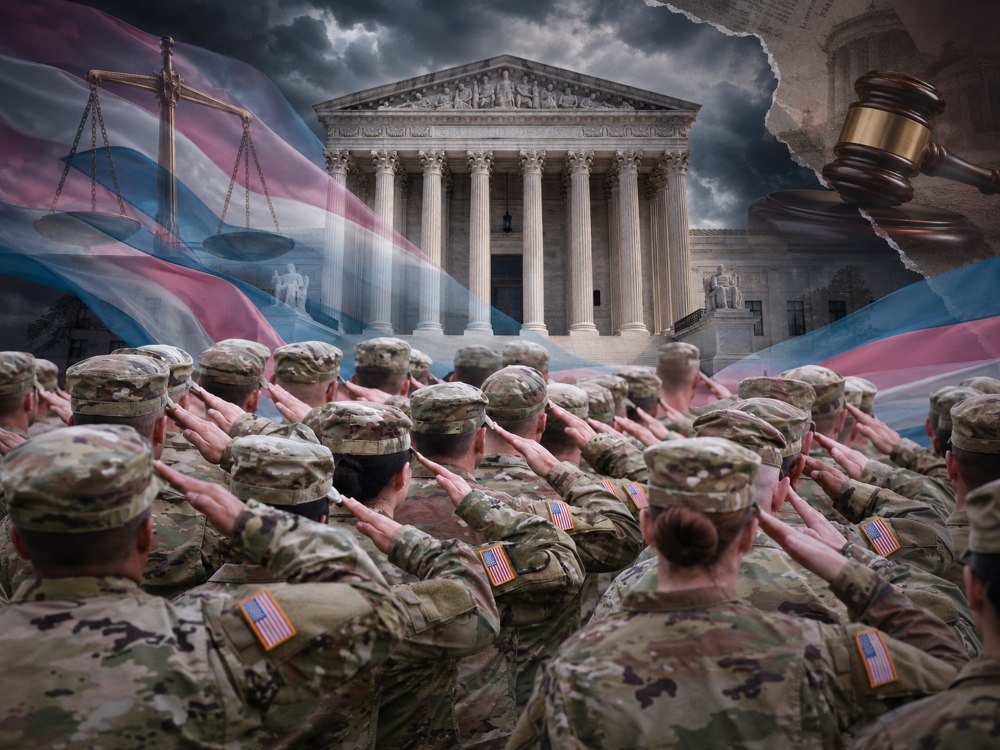
Earlier this year, the Pentagon warned the organisation that its partnership with the US military could be at risk. Pentagon spokesperson Sean Parnell wrote on Elon Musk’s social media platform X in early February that the group had “lost its way” through what he described as an “embrace of DEI and other social justice, gender-fluid ideological stances”.
Parnell indicated that the Department of Defense was reviewing its relationship with the organisation and suggested continued support would depend on the implementation of what he described as “core value reforms”.
“They are on the clock, and we are watching,” he wrote at the time.
Later in February, US Defense Secretary Pete Hegseth said Scouting America had agreed to remove what he called “radical woke ideology” from its membership policies and to restore participation rules based strictly on “biological sex at birth”.
Hegseth said the proposed changes would limit applications to two sex designations — male and female — and require applicants’ information to match their birth certificates. He also stated that biological boys and girls would not be allowed to share facilities such as toilets, showers or tents.
However, Scouting America later disputed suggestions that transgender youth would be excluded from its programmes.
“Our mission and commitment to serving all youth remains unchanged,” the organisation said in a statement.
Scouting America president and chief executive officer Roger Krone also addressed the issue separately, saying the group would continue to include transgender participants.
“We have transgender people in our program, and we’ll have transgender people in our program going forward,” he said.
Holdren pointed to this broader political backdrop while responding to the lawsuit.
“When you combine that timing with the fact that hundreds of businesses have used the word ‘scout,’ it starts to look less like consumer confusion and more like something broader involving identity and visibility,” he said.
“It raises legitimate questions about what’s really driving this escalation.”
Scouting America, however, insists the legal dispute has nothing to do with politics.
Spokesperson Scott Armstrong said the lawsuit is focused solely on protecting the organisation’s intellectual property.
“This is about trademark and intellectual property, nothing more,” he said.