








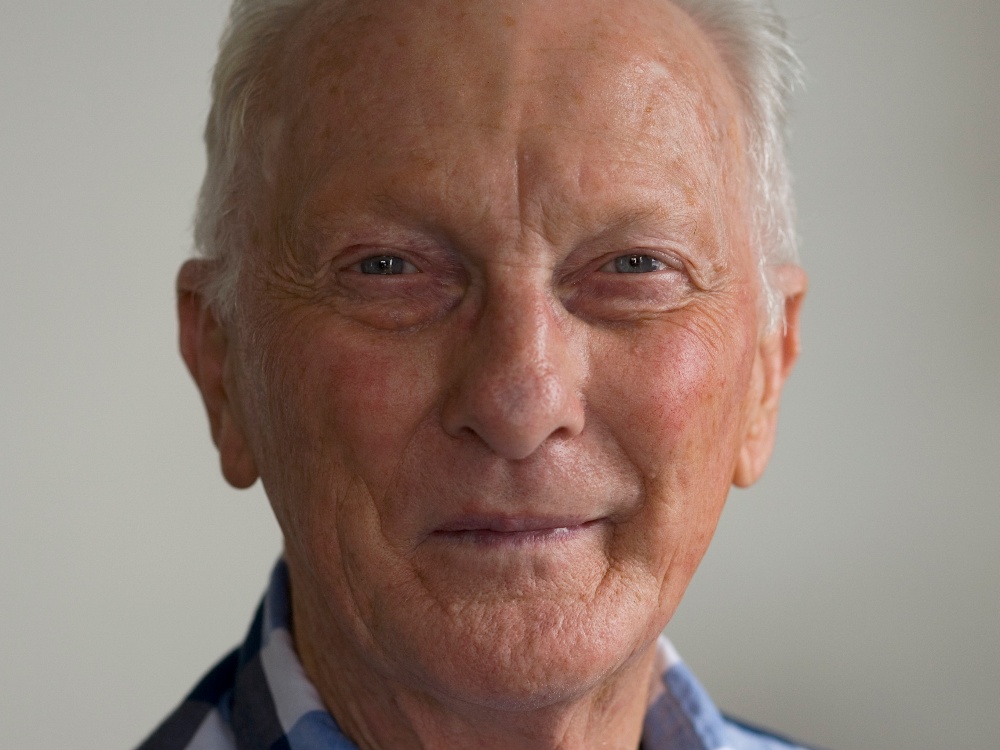
Neville Thomas Creighton — a foundational figure in Aotearoa’s response to HIV/AIDS and a lifelong advocate for gay community wellbeing — has died aged 94.
Creighton died on 4 March 2026, according to a family notice in the NZ Herald. He was remembered by his children Geoff, James, and Emma, and their families, with a private family service planned. His passing marks the loss of one of the last members of the generation who built the grassroots support networks that helped New Zealand confront the AIDS crisis in the 1980s.
Though never a household name, Creighton’s influence ran deep. As a counsellor, organiser and early leader within the emerging HIV response, he helped shape the compassionate, community-driven model that would define New Zealand’s approach to the epidemic.
From teacher to community advocate
Born in 1931 in Otago, Creighton began his career as a secondary school teacher. His early professional life also included church youth work, reflecting a strong sense of social responsibility that would later shape his activism.
Coming to terms with his own sexuality in an era when homosexuality was still criminalised in New Zealand, Creighton eventually became involved in gay community networks in Auckland. By the late 1970s and early 1980s he was working in counselling roles, including with Gayline — one of the country’s earliest telephone support services for gay people.
Those early support networks proved crucial when AIDS began to emerge.
Building support during the AIDS crisis
When HIV/AIDS appeared in New Zealand in the 1980s, the community response was immediate but largely volunteer-driven. Creighton became involved with the AIDS Support Network, a peer-based system inspired by San Francisco’s Shanti model, which paired volunteers with people living with AIDS to provide emotional and practical support.
Reflecting later on those early days, Creighton described the stark reality facing the community in an interview with Gareth Watkins, stating:
“People were frightened. There was a lot of misinformation and a lot of stigma. What we tried to do was simply be there for people.”
Creighton later served as the first director of the New Zealand AIDS Foundation in its formative period, helping develop education and prevention programmes at a time when both the science and public understanding of HIV were still evolving.
Safe-sex education, community outreach and practical care became the pillars of the response — approaches that would later be recognised internationally as part of New Zealand’s effective public health strategy.
A philosophy of care
In interviews reflecting on his work, Creighton often emphasised that the AIDS response grew from within the community itself.
“It wasn’t just about medical care. It was about support, friendship, and making sure people weren’t alone,” he told PrideNZ.
Volunteers visited people in hospital, helped with everyday tasks, and sat beside friends and strangers alike during the most difficult moments of the epidemic.
For many gay men of that era — particularly those rejected by families or facing intense stigma — the support network became an extended family.
A lasting legacy
Creighton’s work helped lay the groundwork for the organisations and strategies that shaped HIV prevention and support in New Zealand. The community-led model he helped build — combining peer support, education, and advocacy — was central to the country’s HIV response.
His passing also marks the gradual departure of the activists who carried the community through its darkest years.
Their work saved lives.
Neville Creighton is survived by his children and their families, and his legacy lives on in the communities he helped support.