










International human rights organisations and LGBTQ+ activists across Africa have condemned a new law passed in Senegal that dramatically increases penalties for same-sex relationships and restricts advocacy for LGBTQ+ rights.
On Wednesday, Senegal’s National Assembly overwhelmingly approved legislation that increases prison sentences for same-sex intimacy — defined in the bill to include homosexuality, bisexuality and “transsexuality” — to up to ten years in prison, along with fines exceeding US$17,000.
The bill also introduces penalties for the funding or “promotion of LGBT ideology”, a provision critics say effectively criminalises advocacy, activism and public discussion of LGBTQ+ rights. Under the law, those accused of promoting LGBTQ+ issues could face three to seven years in prison.
The legislation passed unopposed, with lawmakers applauding as the vote was confirmed.
During the debate, MP Fama Be declared:
“Here in our Africa, here in our Senegal, we don’t accept this homosexuality. It is not in our culture, it is not in our tradition.”
Another member of parliament, Diaraye Ba, told the assembly to applause:
“Homosexuals will no longer breathe in this country. Homosexuals will no longer have freedom of expression in this country.”
Rising anti-LGBTQ sentiment
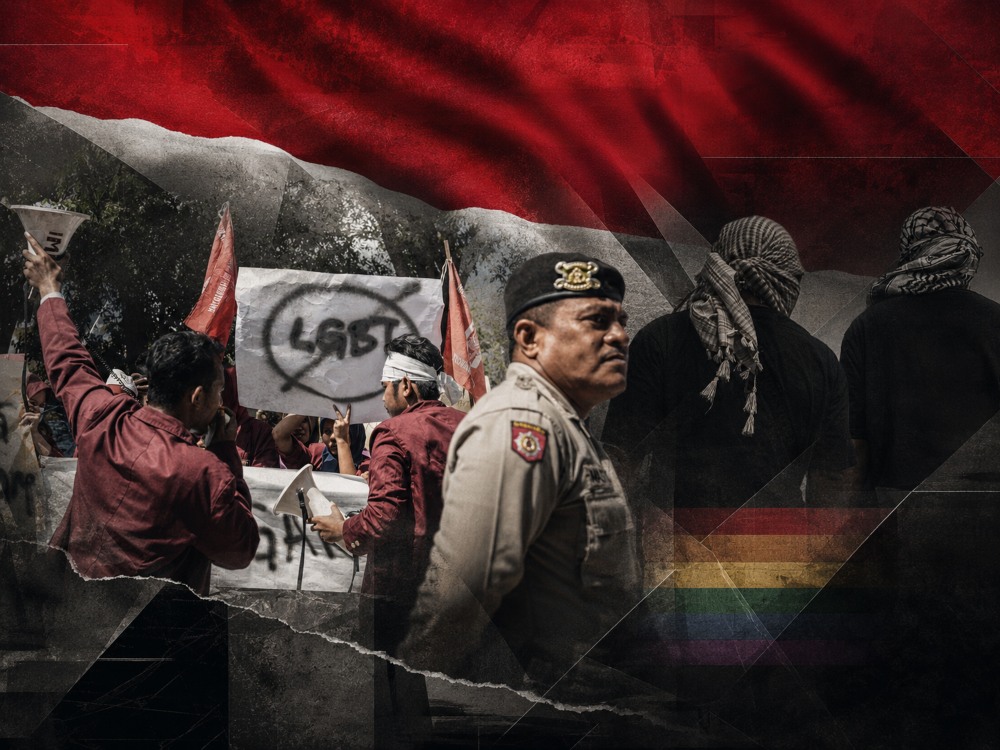
The vote comes amid growing anti-LGBTQ sentiment in Senegal, including public demonstrations against homosexuality and several arrests of individuals accused of same-sex relationships.
President Bassirou Diomaye Faye is expected to sign the bill into law. He has previously expressed support for the legislation.
If enacted, the law would significantly expand criminal penalties already faced by LGBTQ+ people in the country.
Activists condemn the law
Human rights advocates across Africa have strongly criticised the bill.
Hillary Innocent Taylor Seguya, a Ugandan human rights defender based in the United States, called the vote “a dark day in the history of Senegal and Africa.”
“The notion that homosexuality is un-African ignores Africa’s diverse sexual histories,” Seguya said.
Omar van Reenen, co-founder of Equal Namibia, also condemned the legislation, writing on social media that such laws erase Africa’s own history.
“We’re still going to exist. African queers are not criminals in their homelands,” he said.
“None of these laws existed before colonisation came to erase our histories. What a shame on lawmakers who couldn’t spend an ounce of their energy passing laws that actually matter.”
Warning of a dangerous pattern
Veteran Ugandan LGBTQ+ activist Frank Mugisha warned that the legislation mirrors a pattern seen elsewhere in the region.
“Doubling jail time for people simply for who they love is absolutely vile in 2026,” he said.
“This is the same shameful playbook of persecution we have seen in Uganda, and we know its devastating cost.”
“We will not be intimidated, we will not be erased, and we will continue to resist.”
UN raises alarm
The legislation has also drawn concern from the United Nations.
Volker Türk, the UN High Commissioner for Human Rights, said the bill was “deeply worrying” and contradicts fundamental human rights protections.
“These rights include respect, dignity, privacy, equality and freedoms of expression, association and peaceful assembly,” he said.
Türk warned the law could increase hate crimes, arbitrary arrests, blackmail and discrimination in areas such as education, healthcare, employment and housing.
He also noted that Senegal is bound by international human rights treaties and called on the government to reconsider.
“I urge President Faye not to sign this harmful law into effect,” Türk said.
HIV advocates raise concerns
Health organisations have also warned that the legislation could harm public health efforts.
Winnie Byanyima, Executive Director of UNAIDS, said laws criminalising LGBTQ+ people can push vulnerable communities away from healthcare services.
“Such laws drive people underground and away from life-saving services, deepen stigma and fear, and endanger lives,” she said.
“Laws should protect people’s dignity and health — not punish them for who they are. Leave judgement to God.”