









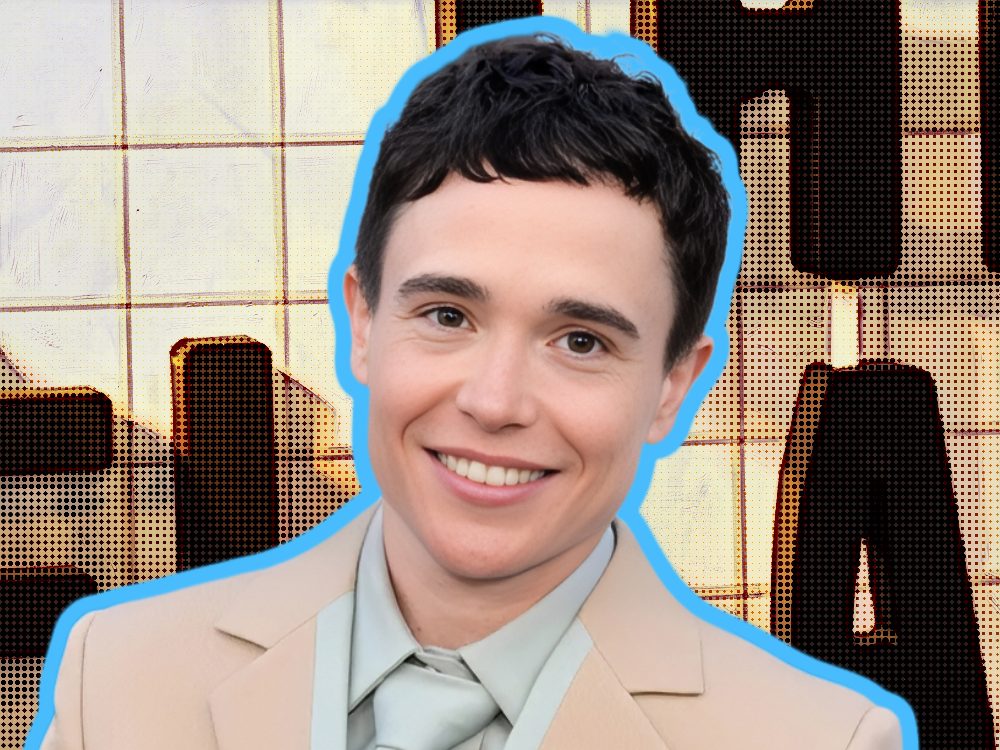


Elliot Page has spoken candidly about the loneliness and shame he felt growing up queer, saying that as a child he often felt as though something was wrong with him.
The actor made the comments while promoting Second Nature, a new documentary he narrates and co-produces that explores same-sex relationships and gender fluidity across the animal kingdom.
Reflecting on his childhood, Page said isolation took hold early.
“You feel like something’s wrong with you,” he said in comments reported by People. “For me, growing up as a queer kid, there was this feeling of being completely alone.” He added that, looking back, he knows he was not truly alone, but that this is often how it feels at the time: excluded, isolated and somehow outside the world around you.
Page also spoke about the burden of shame, describing it as something people are taught to carry rather than something inherent to who they are.
“You’re carrying these bricks of shame,” he said, linking that feeling to censorship, erasure and the way queer lives and identities are so often left out of science, culture and education. He pointed in particular to how mainstream biology teaching routinely ignores the widespread presence of same-sex behaviour and gender diversity in the natural world.
That omission is one of the key ideas behind Second Nature. Directed by filmmaker Drew Denny, the documentary aims to challenge the claim that queerness sits outside what is “natural”. Page said the film pushes back on the false idea that nature is organised around a cisgender, heterosexual norm, pointing instead to the many examples of same-sex pairings and gender diversity found across species.
For Page, the project is both political and deeply accessible. He described it as entertaining, funny and beautifully made, but also as a source of valuable information regardless of how someone identifies. That suggests the documentary is not only aimed at queer audiences, but at anyone willing to rethink the narrow stories they have been told about sex, gender and nature. That final point is an inference based on Page’s description of the film’s purpose and tone.
Page is best known for films including Juno and for starring in Netflix’s The Umbrella Academy. Since coming out as transgender in 2020, he has also become an increasingly visible advocate for trans rights and LGBTQ+ inclusion, later publishing his memoir Pageboy in 2023.
In speaking so openly about shame, exclusion and what it takes to unlearn both, Page is giving voice to something many queer people will recognise instantly. The hurt may begin in isolation, but so often healing starts in finally seeing yourself reflected back — in culture, in community, and, in this case, even in the natural world. That final sentence is an inference based on the themes of the documentary and Page’s remarks.