








LGBTQ+ advocates in Idaho have created a new online map showing trans-inclusive bathrooms across the state following the introduction of a wide-ranging law restricting restroom access for transgender people.
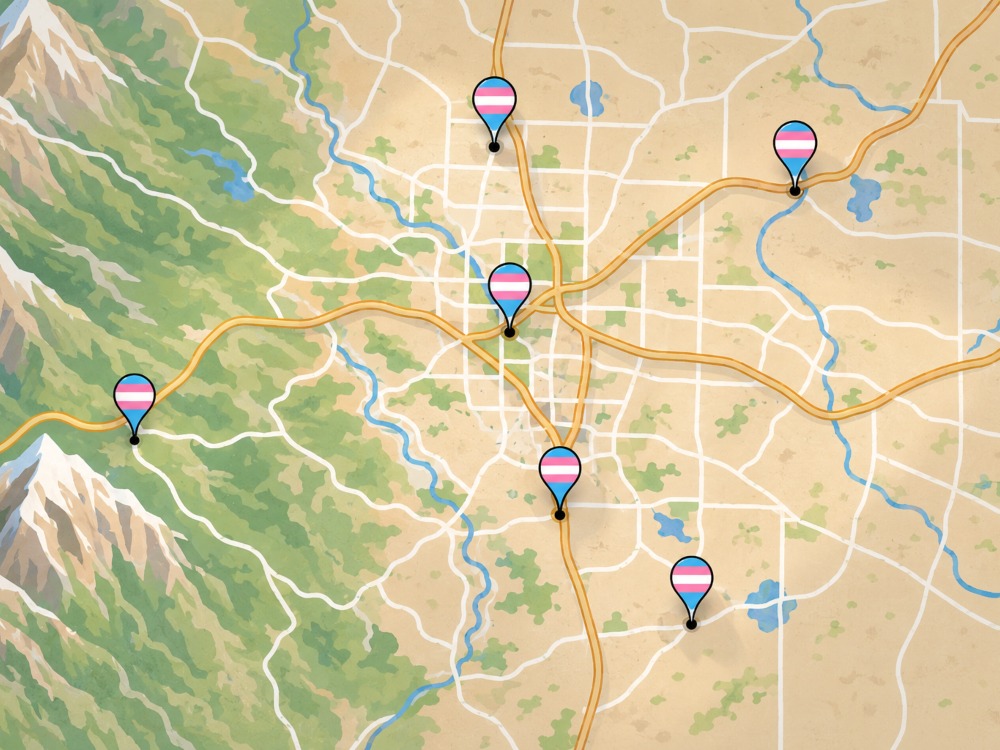
Developed by Trans Affirm, the “Idaho Inclusive Bathroom Map” identifies businesses, community venues and other spaces where people can safely use facilities that correspond with their gender identity. It also flags locations that may be less welcoming.
Many of the places listed offer single-stall, gender-neutral bathrooms. Trans Affirm says the resource will be regularly updated as policies, access arrangements and local conditions change.
The initiative follows the enactment of Idaho’s HB 752 on 1 July. The law makes it a criminal offence to knowingly use certain bathrooms or changing facilities in government buildings and places of public accommodation when those facilities do not correspond with a person’s sex assigned at birth.
A first conviction may result in a jail sentence of up to one year. A second offence committed within five years could be prosecuted as a felony.
However, parts of the law’s enforcement were temporarily blocked by a federal judge on 16 June while a legal challenge continues. The case was brought by transgender Idaho residents and is supported by the American Civil Liberties Union.
“The Idaho Safe Bathroom List was created because our communities need practical tools, not just conversations,” Trans Affirm wrote. “We wanted to build a resource made by Idahoans, for Idahoans, that increases access to information, strengthens community knowledge sharing, and helps people feel more prepared when moving through public spaces.”
Trans Affirm board member Scar Rulien told the Idaho Capital Sun on 9 July that requiring transgender people to use facilities that do not align with their gender identity can create serious safety concerns.
Those risks may be particularly acute for people who are visibly transitioning, as they may face greater scrutiny, harassment or confrontation when entering public bathrooms.
Although the law remains subject to legal challenge, advocates hope the new map will offer practical support to transgender Idahoans as they navigate public spaces and everyday activities.
By identifying safer and more inclusive facilities, the project aims to provide community members with clearer information and greater confidence at a time of ongoing legal uncertainty.