










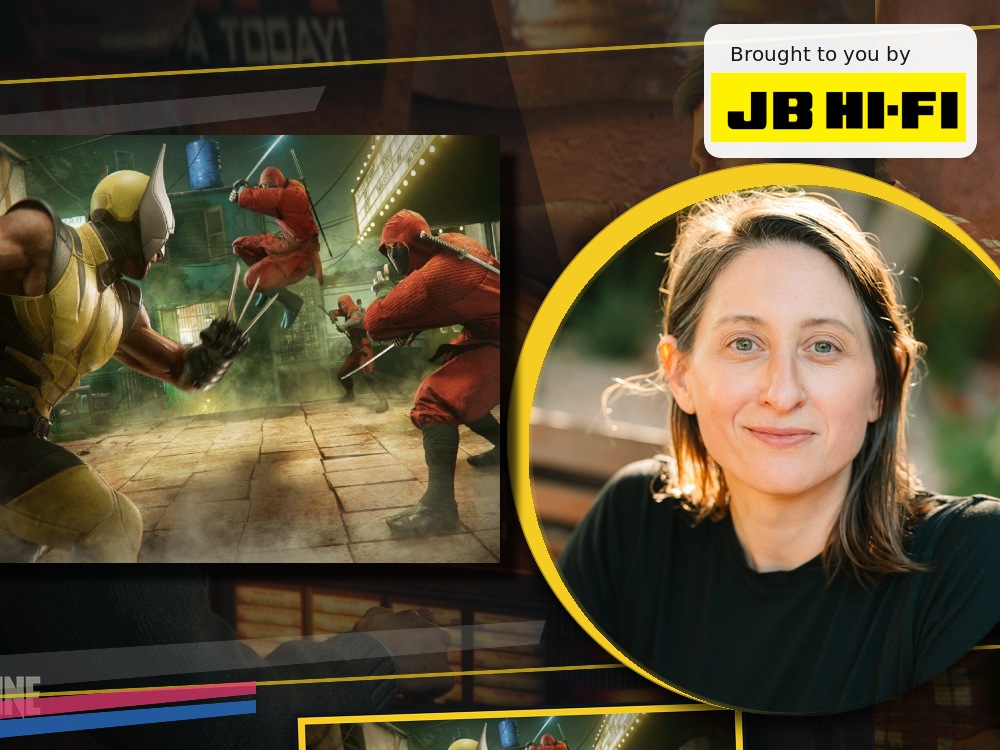


From being the only woman in the room to helping shape some of gaming’s biggest titles, Insomniac Games Senior Project Director Jess Reiner-Reed talks to Oliver Hall about the release of Marvel’s Wolverine, queer inclusion and the extraordinary evolution of game development
What has your experience been like as a woman in a senior role within the gaming industry?
Earlier in my career, when I was working at Santa Monica Studio on God of War, I started there around 2008, there were many times when I was the only woman in the room. And that still happens now.
On the positive side, I’ve seen much more diversity across development teams year after year. We now have a much greater mix of men, women and non-binary people, as well as many other forms of diversity across development teams, which I love. It makes for a better game at the end of the day.
When I’m in a room where I am one of the only women, or the only woman, I feel a responsibility to make sure I share my opinion and use my voice, because I’m bringing a different perspective to the table.
Are there particular areas of game development where you tend to see greater LGBTQ+ representation than others?
I don’t have any good statistics, but from my experience, we do have a Pride@PlayStation group focused on the LGBTQ+ community. I was involved in our Pride parade in West Hollywood this past summer.
At PlayStation, we want these different voices, and we want people to feel a sense of community. We get together to play games, hold different events and take part in charity initiatives.
That sense of collaboration and the joy of working together are really important parts of game development. It takes a lot of people and a lot of expertise to deliver something this big.
You started working on Marvel’s Wolverine in 2020. How do you stay engaged when you’re working on the same game for so many years?
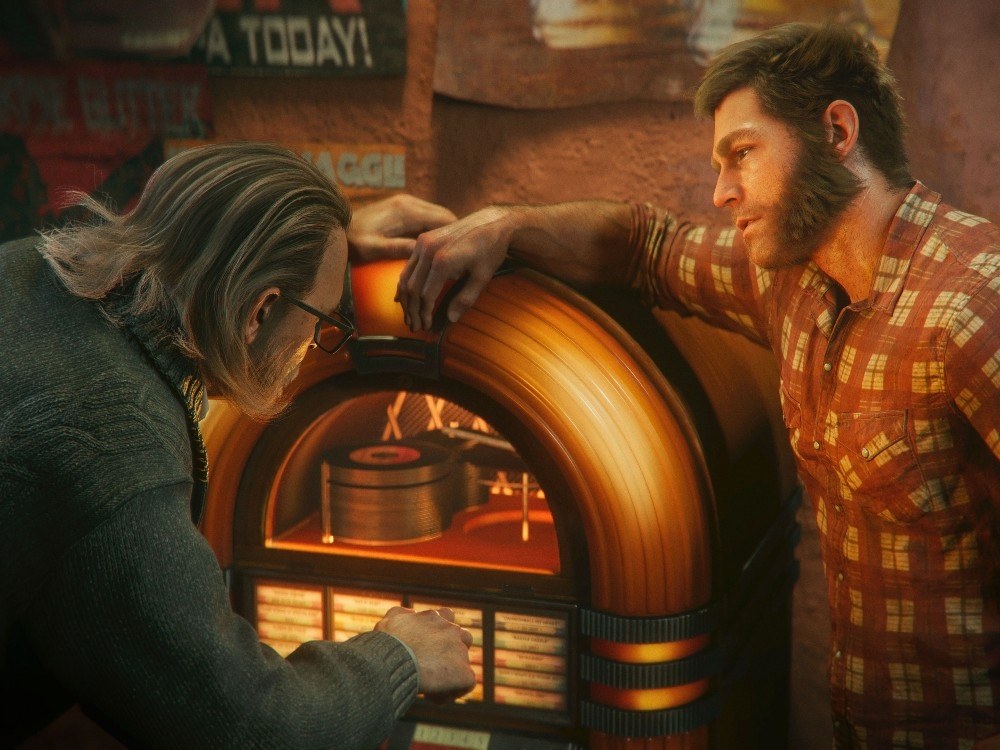
The fun part of game development is that every single day brings a different conversation or problem.
One day it’s about boss fights. One day it’s about blood. Another is about how Logan’s body hair looks. There are constantly so many different elements involved in putting the final product together. I still get a kick out of it every single day.
The Marvel’s Wolverine trailer was considerably darker and more graphic than Insomniac’s previous Marvel games. What do you think will surprise people when they finally get to play it?
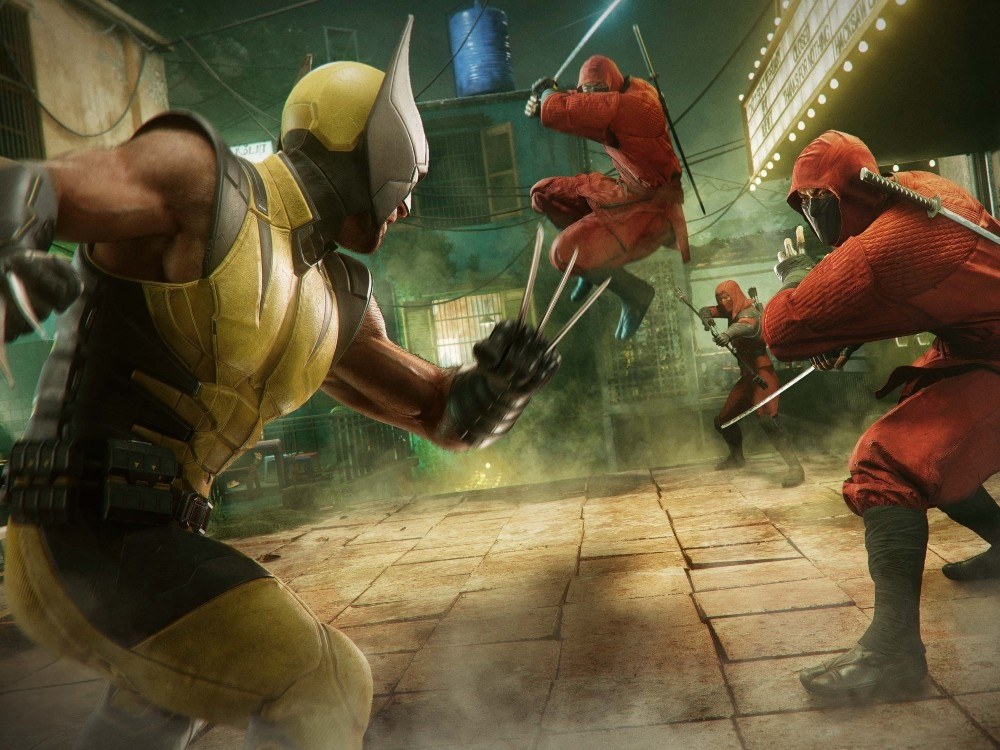
While we’ve shown some violent moves and that more mature tone in the trailers, there’s also levity and fun in this game. I think people are going to be excited and surprised by that.
We’ve seen Jean Grey, Mystique and Sabretooth in the trailer. Can you tease whether we might encounter any other notable X-Men?
In Marvel’s Wolverine, the X-Men don’t exist yet. We do, however, have a lot of Marvel characters that fans are going to get excited about. Even the enemy factions, like the Reavers and the Hand, come from the Marvel canon. So there are going to be details and names that fans will recognise.
How does the scale and structure of Marvel’s Wolverine compare with the open-world Spider-Man games?
Logan is somebody who doesn’t stay in one place for very long. He’s more of a loner, and we have a narrative adventure that we’re pulling him through.
It isn’t structured as an open world in the way the Spider-Man games are. It’s a story-driven adventure where we take you through all these different locations. We’re going to Madripoor, Japan and Canada, and we get to explore.
What advances in technology, including AI, have allowed you to do with Marvel’s Wolverine that you couldn’t have done before?
For Wolverine, we worked on blood much more than we have needed to before. That includes things like blood directionality, making sure that when he swipes, the blood moves in the right direction. That’s surprisingly important for immersion because it needs to make sense to your eye. We’ve also worked on how blood appears on snow or clothing.
There are so many smaller pieces of technology involved. I’m really proud that the game runs at 60 frames per second on the base PlayStation 5. The game looks beautiful.
Even that technical achievement reflects how we’re always improving what we do with each game. There are so many little pieces that contribute to it.
Does working with that technology give you a sense of what gaming might look like in five years, or what developers might be able to achieve on a PlayStation 6 or 7?
Speaking for myself, with every game I work on, I’m blown away by the end product. I look at it and think, “How did we achieve something that looks this good, plays this well and feels this fluid?”
I felt that way making PlayStation 3, 4 and 5 games. At every iteration, wherever we are in the console lifecycle, I’m always amazed by the bar we’re able to achieve.
No matter how good a game is, people online can deliver some brutal feedback. How do you deal with that response to something you’ve spent years creating?
With any creative endeavour, and with the internet existing, people are going to have opinions.
You have to maintain a clear vision and stay confident in what you’re developing. You need to know that you’re making something you would want to play at the end of the day.