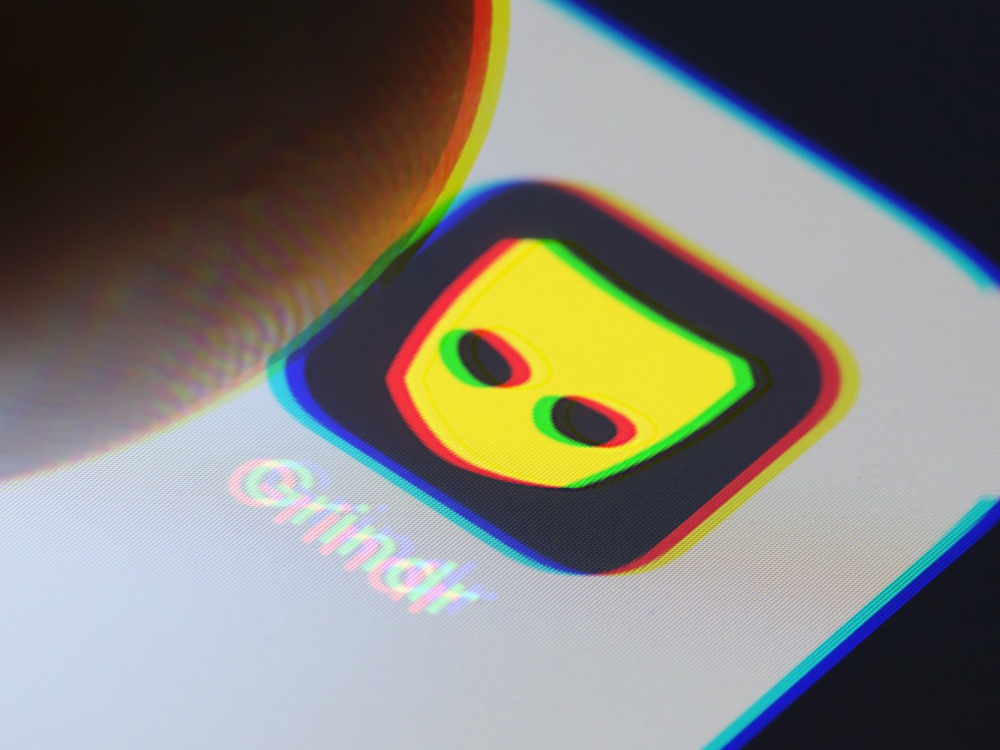
Grindr is testing a new feature that lets users identify and filter potential matches based on whether they’re taking PrEP — but LGBTQ+ health advocates are warning that the change could reinforce HIV stigma and exclude people living with the virus.
A little blue pill icon is causing a big conversation in the gay dating world!
Popular LGBTQ+ dating app Grindr has confirmed it’s testing a dedicated “On PrEP” profile badge and search filter with a small group of users in the United States.
The feature allows people to identify profiles where users have indicated they’re taking pre-exposure prophylaxis (PrEP), the highly effective medication used by HIV-negative people to prevent HIV.
While Grindr says the feature forms part of its wider efforts to promote sexual health awareness, some advocates are concerned about the potential consequences.
Their biggest worry? That filtering profiles by PrEP use could become another way to exclude people living with HIV — including those who cannot sexually transmit the virus because they have an undetectable viral load.
What Is Grindr’s New PrEP Filter?
The feature first attracted widespread attention after users began sharing screenshots online in November.
One user posting on X on 18 November questioned why Grindr was placing a blue pill symbol beside profiles indicating PrEP use and allowing other people to search specifically for those users.
The post sparked discussion about the potential implications for privacy, HIV stigma and sexual health education.
Grindr subsequently confirmed the trial to LGBTQ+ publication Queerty.
According to the company, the dedicated filter is currently being tested with a limited group of American users.
However, Grindr says sharing PrEP information is nothing new.
Users have been able to disclose their PrEP status since 2016, while a broader Health Practices filter has been available since 2025.
That existing option allows users to filter profiles according to self-reported sexual health practices, including PrEP use, DoxyPEP, condom use and preferences for discussing HIV status.
The new trial makes PrEP more prominent through a dedicated filter and visible profile badge.
Grindr says it will use feedback from the trial to decide whether to make the feature more widely available.
There is currently no confirmed rollout date for New Zealand.
Why Are HIV Advocates Concerned?
The main concern is what happens to people who aren’t taking PrEP.
Chad Hughes, chief executive of Australian LGBTQ+ health organisation Thorne Harbour Health, has warned that filtering for PrEP users could effectively remove people living with HIV from someone’s dating grid.
That’s because PrEP is intended for people who are HIV-negative.
Someone already living with HIV would generally take antiretroviral treatment rather than PrEP.
As Hughes explained to Queerty, filtering exclusively for people on PrEP could exclude people living with HIV, including those with an undetectable viral load.
And that distinction matters.
A person living with HIV who maintains an undetectable viral load through effective treatment cannot sexually transmit HIV.
This is known as Undetectable = Untransmittable (U=U).
HIV advocate Matthew Hodson, who lives with HIV, has also questioned whether the filter could become a less explicit way for users to avoid people living with the virus.
His concern is that a feature presented as a sexual health preference could reinforce outdated assumptions about HIV transmission.
However, the existence of the filter does not establish that everyone using it intends to discriminate.
The concern is about how the feature could be used and the impact it might have on people living with HIV.
PrEP And U=U: What’s The Difference?
Understanding the distinction between PrEP and HIV treatment is central to the debate.
PrEP — Pre-Exposure Prophylaxis
PrEP is taken by HIV-negative people to reduce the risk of acquiring HIV.
When taken correctly, it is up to 99% effective at preventing HIV through sex.
It doesn’t prevent other sexually transmitted infections, so regular testing and other prevention strategies remain important.
U=U — Undetectable Equals Untransmittable
People living with HIV who take effective treatment and maintain an undetectable viral load cannot pass HIV to sexual partners.
U=U is supported by extensive scientific research and is a central message in modern HIV prevention.
The two approaches are different, but both are important parts of sexual health.
And importantly, someone not taking PrEP isn’t automatically living with HIV, nor does it mean they are unsafe to have sex with.
People make different prevention decisions depending on their circumstances, relationships and healthcare needs.
HIV Advocates Want A Bigger Say In App Features
Jeremiah Johnson, executive director of HIV prevention advocacy organisation PrEP4All, has questioned whether affected communities have been sufficiently involved in developing the feature.
Johnson referred to the Denver Principles, a landmark 1983 statement advocating for people living with HIV to be directly involved in decisions affecting their lives.
The principles helped establish an important expectation in HIV advocacy: people most affected by a policy or service should have meaningful opportunities to shape it.
For Johnson, Grindr’s latest trial highlights the importance of involving people living with HIV when developing sexual health technology.
Advocates are calling for features that promote prevention without reinforcing stigma or creating unnecessary divisions within LGBTQ+ communities.
Grindr Is Expanding Into HIV Prevention
The controversy comes as Grindr makes a significant investment in sexual healthcare.
On 2 November 2026, the company completed its acquisition of Freddie’s parent company, PurposeMed, in a deal initially announced at US$250 million, with additional performance-based payments possible.
Freddie is a telehealth platform providing access to HIV prevention services in the United States and Canada.
Through Grindr Health, eligible users in those countries can connect with clinicians, arrange testing and access PrEP prescriptions where appropriate.
Grindr has described the initiative as part of its broader effort to reduce barriers to HIV prevention.
The company has also spent years promoting HIV testing and sexual health information through its Grindr for Equality programme.
Those initiatives have been welcomed as potential ways to reach people who might otherwise struggle to access appropriate services.
However, the latest filter trial demonstrates that how sexual health information is presented on a dating app can be just as important as whether it is available.
What About Privacy?
Grindr says the health information users choose to display is voluntary and self-reported.
The company also says it does not independently verify that information.
That means a PrEP badge should not be interpreted as medical confirmation that someone is taking medication correctly, has recently tested HIV-negative or has a particular level of protection.
Under Grindr’s published privacy guidance, users can choose whether to disclose health information on their profiles.
However, anything they choose to publish may be visible to other users.
For people navigating sexual health discussions online, this reinforces the importance of considering what information they feel comfortable sharing.
It also highlights why a profile symbol should never replace communication, testing or personal prevention decisions.
Why This Matters For Rainbow Aotearoa
For gay, bisexual and other men who have sex with men in New Zealand, PrEP and U=U are central parts of HIV prevention.
Burnett Foundation Aotearoa has long promoted both approaches, emphasising that people living with HIV who maintain an undetectable viral load cannot sexually transmit the virus.
The organisation also provides information about accessing PrEP, regular HIV testing and sexual health services.
For LGBTQ+ New Zealanders using dating apps, the debate is particularly relevant.
Dating platforms can help people discuss sexual health, meet partners and make informed choices.
But features that categorise people by health practices can also influence who appears in someone’s search results and how those people are perceived.
The challenge is ensuring that tools designed to support sexual wellbeing do not unintentionally reinforce stigma against people living with HIV.
What Happens Next?
For now, Grindr’s dedicated PrEP badge and filter remain part of a limited US trial.
The company has not confirmed whether the feature will become permanent or be introduced internationally.
HIV advocates are encouraging Grindr to consider how the feature could affect people living with HIV and to involve affected communities in evaluating its design.
The discussion also offers an important reminder about sexual health.
Taking PrEP can be an effective prevention choice. Living with HIV and maintaining an undetectable viral load means a person cannot sexually transmit the virus. And choosing whether to share personal health information remains an individual decision.
Because when it comes to dating, sexual health and HIV prevention, better information should help people make informed choices — without turning someone’s status into a reason for stigma. 🏳️🌈💜