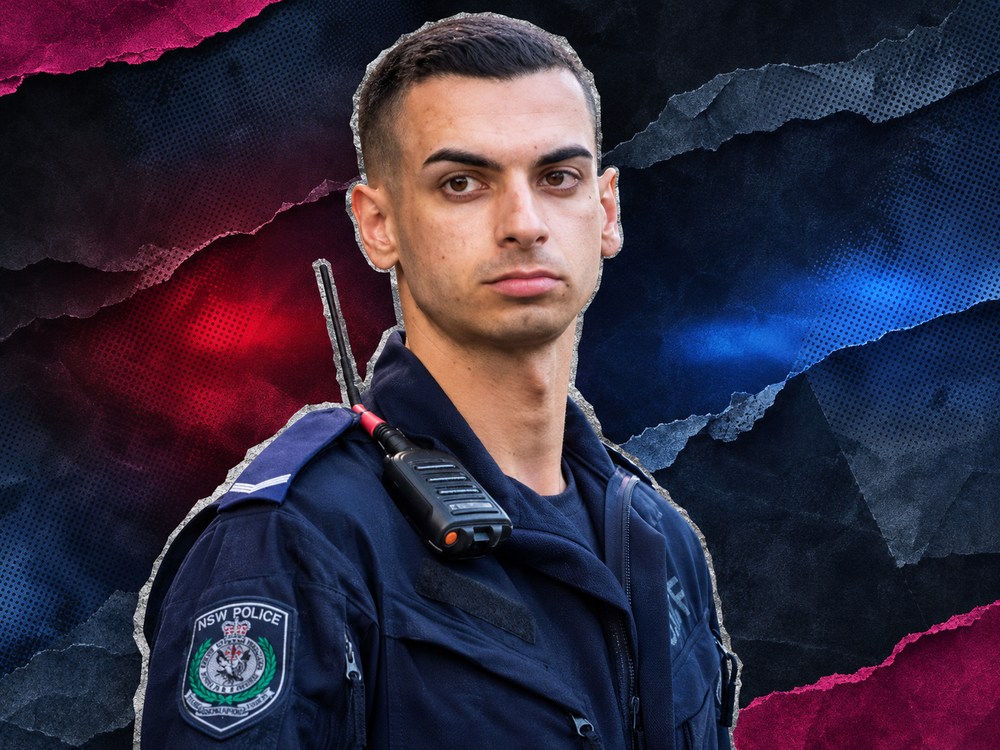

After decades of silence, Australia has formally apologised to LGBTQ+ military veterans who were subjected to surveillance, interrogations, forced discharges and discrimination simply because of their sexuality or gender identity.
In a significant moment for rainbow military history, Australian Deputy Prime Minister and Defence Minister Richard Marles delivered a national apology in Parliament on Wednesday 25 November 2026, acknowledging the treatment of LGBTQ+ personnel who served their country while being forced to conceal who they were.
Speaking in the House of Representatives on behalf of the Australian Government, Marles described decades of discriminatory military policies as a shameful chapter in the nation’s history.
The apology recognised careers lost, reputations damaged, families affected and the lasting consequences experienced by veterans who were punished for their sexuality.
“This country did not keep faith with you,” Marles told those affected.
And after 34 years since Australia lifted its ban on lesbian, gay and bisexual military personnel, the Government has finally acknowledged the harm caused.
A History Of Surveillance, Interrogations And Forced Discharges
For decades, LGBTQ+ Australians serving in the military faced the possibility of losing their careers if their sexuality became known.
Under policies enforced by the Australian Defence Force (ADF), personnel could be investigated, interrogated or discharged because of consensual same-sex relationships.
Marles described a system in which military members were subjected to intrusive surveillance.
Their movements were monitored, friendships scrutinised and barracks searched.
Some were pressured to confess to same-sex relationships or identify other personnel suspected of being gay.
Others faced the devastating choice between betraying colleagues and losing their military careers.
Veterans have described this period as the military’s “witch hunts”.
For many, the consequences extended far beyond their departure from the Defence Force.
Some lost their income, housing and professional opportunities.
Others received discharge records that misrepresented their service or left them feeling unable to participate in veteran communities.
Marles acknowledged that some personnel never told their families why their military careers had ended.
Others were left feeling unwelcome at Anzac Day commemorations or unable to publicly acknowledge their service.
Australia Lifted Its Gay Military Ban In 1992
The Australian Government officially lifted its ban on lesbian, gay and bisexual personnel serving in the military on 23 November 1992.
The decision followed years of advocacy and growing pressure to end discrimination within the Defence Force.
One important challenge came from Chief Petty Officer Anita van Der Meer, who faced dismissal over allegations that she was in a same-sex relationship.
Her complaint to Australia’s Human Rights and Equal Opportunity Commission helped bring the issue before the federal Government.
Then-prime minister Paul Keating’s Cabinet subsequently agreed to remove the ban.
However, the change did not automatically restore the careers, earnings or reputations of people who had already been forced out.
And for transgender military personnel, restrictions continued for considerably longer.
Marles acknowledged that an Australian Defence Force instruction effectively barring transgender people from serving remained in place until 2010.
The apology therefore recognised the distinct experiences of LGBTQ+ personnel affected by discrimination over several decades.
LGBTQ+ Veterans Welcome Long-Awaited Recognition
The apology follows years of campaigning by veterans, researchers and LGBTQ+ community organisations.
Among those present in Parliament was David Gibson, chair of GLBTI Rights in Ageing Inc. (GRAI), who was discharged from the Australian Army because he was bisexual.
Gibson welcomed the apology as an important milestone for people who had spent years seeking recognition.
He acknowledged the veterans who had shared their experiences with the Royal Commission into Defence and Veteran Suicide and during parliamentary inquiries.
For many, speaking publicly about their treatment required revisiting deeply personal and painful experiences.
The apology also drew a response from Defence’s LGBTQIA+ Champion, Rear Admiral Tish van Stralen, and Australian Public Service Champion Kathryn McMullan.
In a joint statement, they acknowledged the courage and professionalism of LGBTQ+ personnel who served despite discrimination.
They also emphasised the importance of preserving those veterans’ stories for future generations.
Veterans Can Now Apply To Clear Historical Convictions
Alongside the apology, the Australian Government has highlighted legal reforms intended to address some of the lasting consequences of discriminatory military policies.
In September, Parliament passed legislation allowing eligible historical convictions for consensual same-sex activity under military law to be extinguished.
Applications opened in October.
Under the scheme, eligible current and former military personnel can apply to have those convictions removed from their service records.
An extinguished conviction is legally treated as though it never occurred.
The application process is free and confidential, and applicants do not have to appear in court.
Importantly, applications can also be made by representatives or people with a special interest in the conviction.
That includes eligible family members applying on behalf of veterans who have died.
The reforms recognise that people should not continue carrying convictions for consensual conduct that is no longer regarded as a criminal offence.
What About Veterans Who Were Forced Out Without A Conviction?
The Government has also established a separate process for former personnel who were discharged through administrative procedures connected to discriminatory Defence policies.
These veterans can request a review of their separation and seek corrections to their official service records.
This is different from applying to extinguish a historical criminal conviction.
For veterans whose military careers ended through administrative action, the review process offers an opportunity to have the circumstances of their departure formally recognised.
However, the Government has not introduced a universal new Certificate of Honourable Service for affected veterans.
In its response to a Senate committee inquiry, the Government said existing certificates of service would remain available on request.
Rather than issuing certificates specifically annotated as honourable, Defence records would be updated to recognise the no-fault nature of qualifying separations.
That distinction is important for veterans seeking to understand what the reforms will actually provide.
Applications and information are available through the Australian Department of Defence’s historical convictions scheme.
No Financial Compensation Package Announced
While the apology and record-correction processes represent significant developments, one issue remains unresolved.
The Australian Government has not announced a financial compensation package for LGBTQ+ veterans harmed by historical discrimination.
At a press conference on 6 October, Veterans’ Affairs Minister Matt Keogh confirmed that the reforms did not include a compensation scheme.
Advocacy organisation Just.Equal has called for financial compensation for veterans who experienced discrimination, lost earnings or had their careers cut short.
Those calls remain separate from the measures the Government has introduced.
Correcting military records and extinguishing convictions can remove legal and administrative consequences, but they do not automatically compensate people for decades of lost income, career progression or other harm.
The distinction is particularly important for veterans seeking practical remedies after years of discrimination.
Aotearoa Has Its Own History Of Military Discrimination
Australia’s apology also has a strong historical connection to Aotearoa New Zealand.
When New Zealand passed the Homosexual Law Reform Act in 1986, consensual sexual activity between men was decriminalised in civilian life.
However, the legislation retained an exception allowing the Armed Forces to prosecute personnel for homosexual acts.
That exception was eventually removed through the Human Rights Act 1993, which prohibited discrimination based on sexual orientation.
Writing in the Royal New Zealand Air Force Journal in 2022, Wing Commander Stu Pearce explained that changing the law did not immediately transform military culture.
Although openly gay, lesbian and bisexual personnel could legally serve, acceptance within the Defence Force developed more gradually.
Pearce highlighted the establishment of OverWatch in 2012, an LGBTQ+ support and advocacy group within the New Zealand Defence Force, as an important milestone.
The group helped improve awareness, understanding and support for rainbow personnel.
Today, the NZDF publicly promotes LGBTQ+ inclusion through initiatives including Pride in Defence.
The history demonstrates that legal reform and cultural change do not always happen at the same pace.
An Apology That Cannot Undo The Past
For Australian LGBTQ+ veterans, Wednesday’s apology represents an important acknowledgment of the treatment they experienced while serving their country.
It recognises that people who fulfilled their military duties were denied opportunities, dignity and equal treatment because of who they were.
The legal reforms now provide pathways for some veterans and families to challenge historical convictions and correct official service records.
However, the absence of a compensation scheme means some of the financial and personal consequences remain unaddressed.
For rainbow communities in Australia and Aotearoa, the apology also provides an opportunity to reflect on the LGBTQ+ personnel whose contributions were overlooked or actively punished.
Many served during conflicts, peacekeeping operations and other military deployments while being forced to hide important parts of their lives.
Others lost their careers before they could complete their service.
Thirty-four years after Australia lifted its ban on lesbian, gay and bisexual service, the Government has finally apologised to those harmed by its discriminatory policies — acknowledging that their service deserved respect, not punishment.