








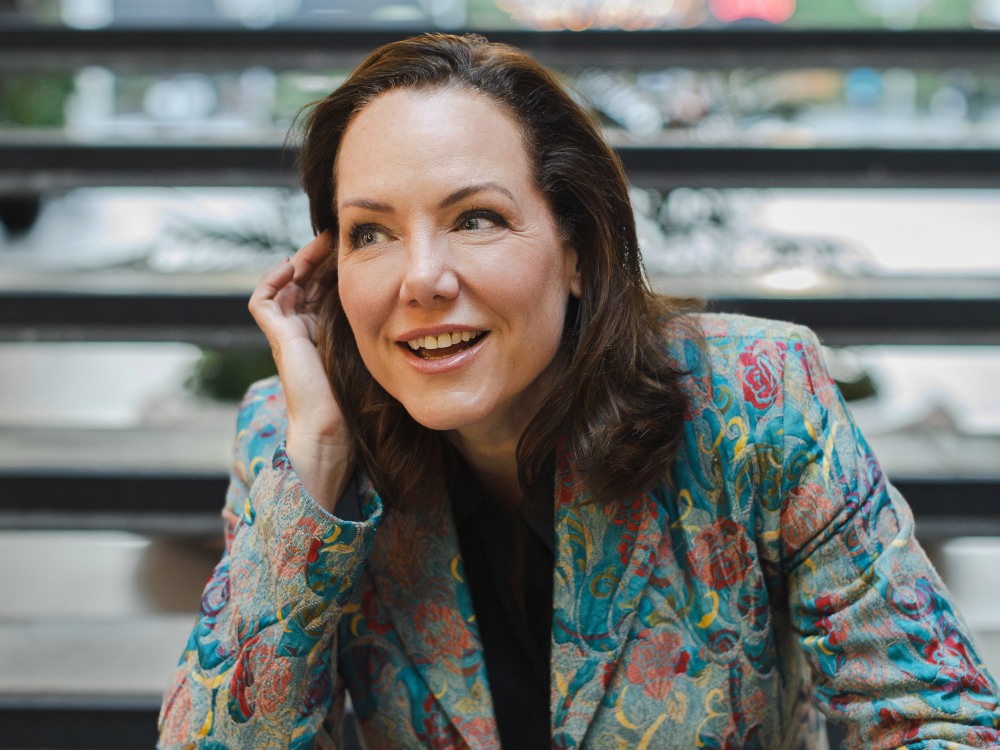

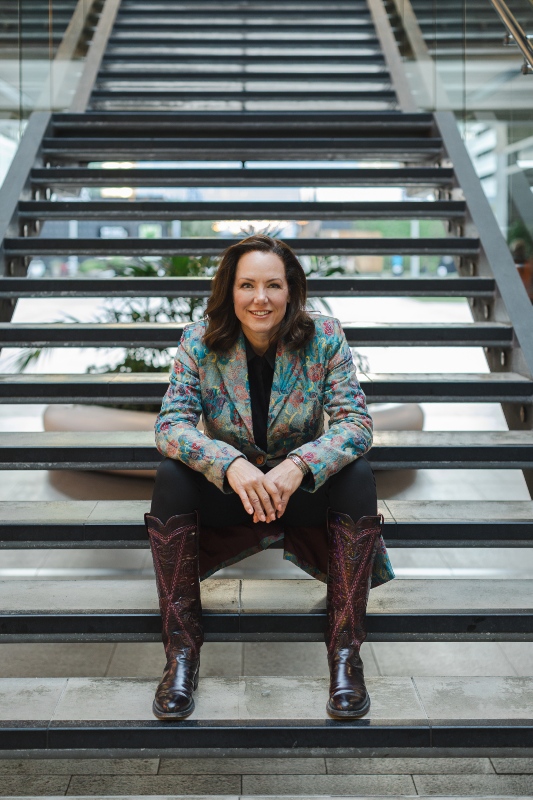
National’s newly minted Auckland Central candidate sits down with YOUR EX to discuss why she believes now is the right time to step into politics, what she is hearing from voters across the electorate, and how her background in innovation, public service, health and community governance would shape the way she represents one of New Zealand’s most diverse urban communities.
What made you decide that now was the moment to step into politics?
For me, this is not a sudden decision. It feels like the next step in a long journey of service, leadership and involvement in public life. I have worked my way up over many years, and I have been involved in and around politics for a long time. Since 2005, I have supported seven campaigns, helped shape policy thinking, and worked closely with Ministers from different parties on issues that matter to New Zealand.
That experience has taught me that good politics is not just about speeches; it is about listening, understanding what people are dealing with, building trust, bringing people together, and doing the work needed to get things moving. I am stepping forward now because I care deeply about this country, and I believe New Zealand needs more people in Parliament who have real-world experience, who understand responsibility, and who know how to turn good ideas into action.
Auckland Central is where this comes together and where many of the issues people care about do not sit squarely in one place. Some are central government issues, some are local government issues, and some sit with business, community organisations, universities, residents and local leaders. That is why the role of a proactive MP matters so much here. We need someone who can advocate strongly in Wellington, work constructively with Council, listen carefully to our communities, and bring the right people together to solve problems and make better decisions.
So I am standing because Auckland Central deserves an MP who is present, ambitious for the electorate, and able to be a strong, competent voice in Parliament.
Auckland Central is home to renters, students, creatives, small-business owners and hospitality workers. What are you hearing from people on the ground?
The wonderful thing about Auckland Central is the eclectic nature of it. The diversity is part of its beauty and strength, with more than half of our community born overseas, giving us an incredible mix of cultures, ideas, energy and ambition. It is one of our greatest strengths. What I’m hearing is that people really care about Auckland Central and want to see it doing well, not going backwards to what it ‘used to be,’ but making it even more special going forward.
Across Auckland Central, people experience the electorate in very different ways, but the common thread is clear, they want a city that works better for daily life. Small-business owners need people to be able to get in, park, and move around, while hospitality workers want a city with life, warmth and energy, but also one that feels safe, well-managed and cared for. Students, young families and renters are feeling the pressure of cost of living, transport and housing, while apartment residents want the everyday realities of city living taken seriously, from access and noise to safety, services and the simple ability to enjoy where they live.
So there is not just one Auckland Central issue. It is a mix of things. But the common theme is that people want momentum. They want a safe city that is easier to move around, easier to do business in, and easier to enjoy.
Auckland Central has so much going for it. The job for an MP is to back it properly and help all the pieces work together efficiently.
Your career has sat at the intersection of innovation and public good. How would that shape the way you represent Auckland Central?
I’m a pretty practical person. I like taking complicated problems, getting the right people around the table, and working out what can actually be done.
That matters in Auckland Central because a lot of our issues are connected. Transport, business confidence, nightlife, housing, tourism, universities, community services, public safety, they all overlap and inter-twine.
When central government, Council, businesses and community groups are all pulling in the same direction, things move faster and people can actually see the difference in their daily lives.
I would bring a builder’s mindset to the role by listening properly, connecting the right people, pushing for decisions and following up until things happen. Not everything needs a grand speech. Sometimes progress comes from a phone call, an agreed deadline, and someone who keeps asking, “Right, what happens next?” That is how I would shape the role.
What are Auckland Central’s biggest opportunities right now?
We have so much right on our doorstep: a magnificent waterfront, the beauty of the Hauraki Gulf and its islands, world-class universities, creative industries, hospitality, tourism, start-ups, heritage neighbourhoods, apartment communities and extraordinary diversity. It is a rare mix of energy, beauty, enterprise and people. That is Auckland Central’s great advantage, and now we need to unlock its full potential.
I think Auckland Central’s biggest opportunity is to be New Zealand’s most exciting urban electorate, as a place to live, work, go out and in daily life. Safety is improving, and businesses are starting to feel that shift, but we need to keep building on it. That means smarter transport options, making it easier for people to come into the city and park, supporting small businesses to open and grow, and backing the events, hospitality and nightlife that bring Auckland Central to life.
I would love to see more laneways and distinct city districts for arts, shopping, food and entertainment. A city should feel active, welcoming, easy to get around and well cared for. For me, that means getting growth planning right, so Auckland Central can be vibrant, liveable and easier to enjoy.
Chlöe Swarbrick is one of the country’s most recognisable queer MPs. Do you think she has done a good job for the electorate?
I do not think someone’s sexual orientation has any bearing on how well they do or do not represent an electorate. What matters is whether local issues are being heard, understood and acted on. Chlöe is a highly recognisable political figure, and I respect that she has built a strong following. But Auckland Central needs more than profile; it needs advocacy, follow-through and delivery.
And I think it is fair to ask what Auckland Central has actually gained from having a high-profile Green MP, especially when the Hauraki Gulf is right on our doorstep. Waiheke, Great Barrier and the Gulf are central to this electorate. As the local MP, I would have expected much more visible leadership and delivery for them.
That is why I am pleased National has announced it will campaign to further restrict commercial fishing in the Hauraki Gulf, look to reinstate the ban on all fishing in High Protection Areas, and review bottom trawling in designated corridors. That is focused environmental action for a place Aucklanders love, and I plan to advocate hard on continued positive policy for our electorate.
How do you define a safe city, especially for LGBTQ+ people?
For me, a safe city is one where people can live openly, move around freely, and take part in public life without fear, anywhere and any time of day or night.
For LGBTQ+ and all people, that means being able to walk down the street, catch a bus, go to work, enjoy a night out, rent a home, run a business or hold someone’s hand without being intimidated, harassed or excluded because of who they are.
New Zealand law already protects people from discrimination on the basis of sexual orientation in areas like work, housing, education, public places and services. Hate-speech law is more contested, and National has been careful about expanding it because free speech matters in a democracy.
Police, Council, venues, residents, businesses and community groups all see different parts of the problem. My job would be to get the right people around the same table, listen to what is actually happening on the ground, and help make sure concerns are followed up.
I would push for clearer ways to report harassment or threats, better information about what support is available, and stronger coordination around the places where people can feel unsafe, especially nightlife areas, transport hubs, carparks and walking routes.
I cannot promise to fix every issue overnight, but I can promise to listen, take action and be persistent. If people keep raising the same safety concerns, I will keep asking what has changed, who owns the next step, and what support is needed to get it done.
What would you like YOUR EX readers to know about your personal commitment to Rainbow communities?
My politics on this are grounded in freedom, dignity and fairness, the freedom to live your life, the dignity of being treated equally, and the fairness of knowing the law protects you like everyone else. Some of my closest and dearest friends are gay, so this is personal for me as well as political.
That means I support equal marriage, basic human rights, personal freedom, and the right of every person to live openly and safely, without fear or discrimination.
For me, this is not about division or identity politics. It is about respect, individual liberty, and making sure New Zealand remains a country where people are judged by their character, their contribution, and how they treat others.
In Auckland Central, LGBTQ+ communities are part of the fabric of the electorate. Honestly, Auckland Central would be a lot less interesting without them, and this electorate should never be boring!
How has your work in health and community governance shaped your view of health equity?
My work in health has taught me that access matters, but so does awareness. It is not enough for a service to simply exist. People need to know what support is available, understand how to prevent problems where they can, be able to get help when they need it, and feel respected when they walk through the door.
For LGBTQ+ New Zealanders, as for anyone who has experienced stigma or exclusion, trust can be the difference between asking for help early or waiting until things get worse.
As Chair of the Cancer Society for Auckland and as one of the founding Trustees for the Well Foundation of Waitemata DHB, I have seen first-hand how much support matters when your life is already hard. Getting access to transport, clear information, emotional support, outreach, help navigating appointments, and people who are able to walk with you on the journey is incredibly important.
For me, this is not about slogans or special treatment. It is about practical, patient-focused healthcare that treats people with dignity, uses resources wisely, and delivers better outcomes for everyone. Good health policy should be measured by whether people can access the care they need, when they need it, and understand what they can do to prevent some health issues before they happen.
What role should schools play in supporting LGBTQ+ students?
Schools should be places where every young person feels safe, respected and able to learn. For LGBTQ+ students, that means bullying, harassment or exclusion should not be tolerated. It also means students should know there is a trusted adult they can go to if they need help. I do not think schools replace families, I think this is shared. Families, schools and community services all have a role to play in how young people develop.
Schools’ primary role should be to provide a safe learning environment, and young people should be able to know how to access the right support when they need it. The simple test for me is this, no young person should feel unsafe or alone at school because of who they are.
Would you support LGBTQ+ young people seeing themselves reflected safely and age-appropriately in schools?
Yes, I support all young people feeling safe and respected at school. Specifically, NO student should be bullied, ignored or made to feel invisible. Acceptance should and can be universal for all students. For younger children, it might be as simple as recognising that different forms of families exist. For older students, it can include respectful relationships, bullying prevention, mental health, consent and treating people with dignity.
I don’t believe this should be about turning classrooms into political battlegrounds; it should be about making sure every student is safe enough to learn and respected enough to belong.
Some LGBTQ+ voters may be cautious about supporting a National candidate. What would you say to them?
I understand the caution, but National’s record of support is broader than people sometimes realise. As far back as 1974, National MP Venn Young introduced a Crimes Amendment Bill that would have legalised sexual activity between men over 21, but at the time, it did not pass. A National Government under Bolger passed the Human Rights Act 1993, which outlawed discrimination on the grounds of sexual orientation. Marriage equality became law under a National-led Government, with support from John Key and National MPs.
National also helped initiate the expungement of historic homosexual convictions under MP Amy Adams, and they supported birth certificate self-identification legislation that passed unanimously. Ultimately, there was a clear majority of National MPs supporting the conversion practices ban at third reading.
What I can say is, I promise to support the protection of the rights that have been won, including equal marriage and human rights protections. I want to work with LGBTQ+ communities on safety, dignity and belonging. I look forward to being invited to engage. Auckland Central, and New Zealand as a whole, should be a place where people are free to live openly, be themselves, and contribute fully to the communities we share.
What does the 40th anniversary of Homosexual Law Reform mean to you?
I think it is a huge milestone! For older gay, bisexual and queer men, it represents something very profound, the freedom to love without being treated as a criminal. Forty years can sound like a long time ago, but it is actually within living memory, and many people are still carrying the scars of that time.
For younger people, it is a reminder that the freedoms they now have were not just handed over. They were fought for by people who took real risks. So to me, the anniversary is both a celebration and a responsibility. It celebrates courage, love and progress, and it also reminds us not to take people’s dignity for granted.
Should MPs lead public opinion on human-rights issues, or reflect where voters are at?
MPs must listen carefully to the public, but they also have to use judgment. That is the job. On human-rights issues, leadership does not mean just following the loudest voice in the room. It means listening properly, thinking carefully, respecting freedom, and deciding whether the law actually needs to change.
Some issues do need legislation. Others are better handled through families, communities, services, education and culture. We should not try to legislate every disagreement in society. That would be exhausting, and I suspect most New Zealanders do not want Parliament turning up in every corner of their lives with a clipboard.
For me, the test is, “does this protect people from real harm, preserve freedom, and help New Zealanders live safely and with dignity?” The answer must be yes. That is the kind of leadership and voice I would try to bring to the role.
What would you say directly to older queer New Zealanders who lived through criminalisation, AIDS, police harassment and moral panic?
I would say first and foremost, I understand why trust may not come easily. Many older queer New Zealanders lived through criminalisation, stigma, police harassment, public judgment and the deep grief of the AIDS crisis. That history should never be minimised, or treated as something people are just expected to get over.
I respect what that generation endured and what they changed for those who came after them. The rights that have been won, including equal marriage and protection from discrimination, must be protected.
My commitment is to listen, to show up consistently, and to work on the things that matter, such as safety, dignity, healthcare, connection, and the right to age without being isolated, dismissed or made invisible. Trust is earned over time, and I understand that.
For younger Rainbow voters, rights may feel like history. How vigilant does New Zealand need to be?
New Zealand should stay thoughtful and alert, without becoming fearful or divided. Younger Rainbow voters have grown up with rights that earlier generations fought hard for, including protection from discrimination and equal marriage. It is easy to assume those rights will always be there, but history shows that progress needs to be looked after.
My view is quite simple – protect the rights people already have, keep our conversations respectful, and focus on what matters here in New Zealand: safety, dignity, access to services, and the freedom to be yourself. For me, this is simply part of good housekeeping for a decent society.